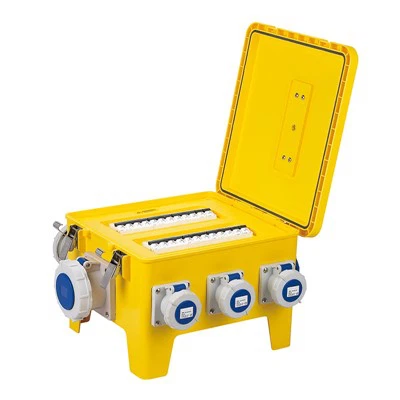
As a supplier of thermoplastic power distribution boxes, I often get asked about the weight of these crucial electrical components. Understanding the weight of a thermoplastic power distribution box is essential for various reasons, from installation and transportation to structural considerations and overall system design. In this blog post, I’ll delve into the factors that influence the weight of thermoplastic power distribution boxes, why it matters, and how it can impact your project. Thermoplastic Power Distribution Box
Factors Affecting the Weight of Thermoplastic Power Distribution Boxes
Material Composition
The primary material used in thermoplastic power distribution boxes is, as the name suggests, thermoplastic. Thermoplastics are a diverse group of polymers that can be molded and reshaped when heated. Common thermoplastics used in these boxes include polycarbonate, ABS (acrylonitrile butadiene styrene), and PVC (polyvinyl chloride). Each of these materials has different densities, which directly affect the weight of the box.
- Polycarbonate: Known for its high impact resistance and transparency, polycarbonate is a relatively dense material. Boxes made from polycarbonate tend to be heavier compared to those made from other thermoplastics. However, the added weight is often justified by its superior strength and durability.
- ABS: ABS is a lightweight and versatile thermoplastic that offers a good balance of strength and impact resistance. It is commonly used in power distribution boxes due to its ease of processing and relatively low cost. ABS boxes are generally lighter than polycarbonate boxes.
- PVC: PVC is a widely used thermoplastic known for its chemical resistance and low cost. It is a relatively lightweight material, making it a popular choice for applications where weight is a concern.
Box Size and Dimensions
The size and dimensions of the power distribution box have a significant impact on its weight. Larger boxes naturally require more material, resulting in a heavier overall weight. Additionally, the shape and design of the box can also affect its weight. For example, a box with a more complex shape or additional features such as compartments or mounting brackets will likely be heavier than a simple, rectangular box.
Wall Thickness
The wall thickness of the power distribution box is another important factor that affects its weight. Thicker walls provide greater strength and durability but also increase the weight of the box. The wall thickness is typically determined by the intended application and the level of protection required. For example, boxes used in harsh environments or applications where they may be subject to physical impact may have thicker walls to ensure long-term performance.
Internal Components
The weight of the internal components installed in the power distribution box also contributes to its overall weight. This includes circuit breakers, fuses, switches, and other electrical devices. The type and quantity of these components can vary depending on the specific requirements of the application. For example, a box with a large number of circuit breakers or high-capacity fuses will be heavier than a box with fewer components.
Why the Weight of a Thermoplastic Power Distribution Box Matters
Installation and Handling
The weight of the power distribution box can have a significant impact on the installation process. Heavier boxes may require additional manpower or specialized equipment to lift and position them correctly. This can increase the installation time and cost, especially for large or complex installations. Additionally, the weight of the box must be considered when determining the appropriate mounting method and support structure.
Transportation
The weight of the power distribution box also affects its transportation. Heavier boxes may require larger vehicles or more frequent trips to transport, which can increase the transportation cost. Additionally, the weight of the box must be considered when calculating the overall weight of the shipment to ensure compliance with transportation regulations.
Structural Considerations
The weight of the power distribution box must be considered when designing the supporting structure. The structure must be able to withstand the weight of the box and its contents without sagging or collapsing. This is particularly important for installations where the box is mounted on a wall or ceiling.
System Design
The weight of the power distribution box can also impact the overall system design. For example, in a modular electrical system, the weight of the boxes must be considered when determining the spacing and arrangement of the components. Additionally, the weight of the boxes can affect the balance and stability of the system, especially in applications where the boxes are mounted on a moving platform or in a high-vibration environment.
How to Determine the Weight of a Thermoplastic Power Distribution Box
Manufacturer Specifications
The most accurate way to determine the weight of a thermoplastic power distribution box is to refer to the manufacturer’s specifications. The manufacturer will typically provide the weight of the box, including the weight of the box itself and any internal components. This information can be found in the product datasheet or on the manufacturer’s website.
Calculation Based on Material and Dimensions
If the manufacturer’s specifications are not available, you can estimate the weight of the box based on the material and dimensions. To do this, you will need to know the density of the thermoplastic material used in the box and the volume of the box. The density of the material can be found in the material datasheet or online. The volume of the box can be calculated by multiplying the length, width, and height of the box. Once you have the density and volume, you can calculate the weight of the box by multiplying the density by the volume.
Conclusion

In conclusion, the weight of a thermoplastic power distribution box is influenced by several factors, including material composition, box size and dimensions, wall thickness, and internal components. Understanding the weight of the box is essential for installation, transportation, structural considerations, and overall system design. By considering these factors, you can choose the right power distribution box for your application and ensure its long-term performance.
16A Distribution Box If you’re in the market for thermoplastic power distribution boxes, I encourage you to reach out to us. Our team of experts can help you select the right box for your specific needs and provide you with detailed information about the weight and other specifications. We offer a wide range of high-quality power distribution boxes that are designed to meet the demands of various applications. Contact us today to discuss your requirements and start the procurement process.
References
- ASTM International. (2023). Standard Specification for Polycarbonate (PC) Sheet. ASTM D4351-19.
- American National Standards Institute. (2023). Standard for Safety for Enclosures for Electrical Equipment (1000 Volts, Nominal, or Less). ANSI/NEMA 250-2017.
- International Electrotechnical Commission. (2023). Low-voltage switchgear and controlgear – Part 5-1: Control circuit devices and switching elements – Electromechanical contactors and motor-starters. IEC 60947-5-1:2020.
Apeks Electric Co., Ltd.
As one of the leading thermoplastic power distribution box manufacturers and suppliers in China, we also support custom service. With abundant experience, we warmly welcome you to wholesale high quality thermoplastic power distribution box from our factory. Welcome to view our website for more information.
Address: No.2 Yuyao Rd, Yuxin, Nanhu District, Jiaxing, China
E-mail: kevin@apekselectric.com
WebSite: https://www.powerdistros.com/
