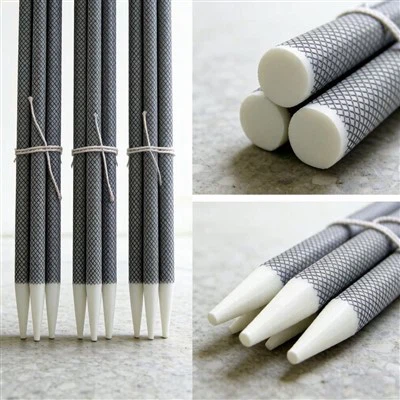
In the realm of modern gardening, vertical gardens have emerged as a revolutionary concept, offering a space – efficient and aesthetically pleasing way to cultivate plants. As a supplier of climbing plant supports, I have witnessed firsthand the growing demand for innovative solutions that can enhance the beauty and functionality of vertical gardens. In this blog, I will explore the various types of climbing plant supports that are suitable for vertical gardens, delving into their characteristics, advantages, and applications. Climbing Plant Supports
The Importance of Climbing Plant Supports in Vertical Gardens
Vertical gardens are designed to maximize limited space by growing plants vertically on walls or other structures. Climbing plants play a crucial role in these gardens, as they can cover large areas quickly and add a lush, green backdrop. However, without proper support, climbing plants may not grow in an organized manner, leading to a messy and unappealing appearance.
Climbing plant supports provide a framework for the plants to grow, guiding them upwards and ensuring that they are well – structured. They also help to distribute the weight of the plants evenly, preventing damage to the supporting structure. Moreover, the right support can enhance the overall aesthetic of the vertical garden, creating a more visually appealing and harmonious environment.
Types of Climbing Plant Supports for Vertical Gardens
Trellises
Trellises are one of the most common types of climbing plant supports. They are typically made of wood, metal, or plastic and consist of a framework of intersecting bars or wires. Trellises come in various shapes and sizes, from simple rectangular designs to more elaborate and decorative patterns.
Wooden trellises offer a natural and rustic look, making them a popular choice for traditional or cottage – style vertical gardens. They are relatively easy to install and can be painted or stained to match the surrounding environment. Metal trellises, on the other hand, are more durable and can withstand harsh weather conditions. They are often used in modern or contemporary vertical gardens due to their sleek and minimalist appearance. Plastic trellises are lightweight and affordable, making them a practical option for small – scale vertical gardens.
One of the advantages of trellises is their versatility. They can be used to support a wide range of climbing plants, including roses, clematis, and ivy. Trellises can be attached to walls, fences, or freestanding structures, allowing for flexible installation options.
Arbors
Arbors are another type of climbing plant support that can add a touch of elegance to vertical gardens. They are usually made of wood or metal and feature a curved or arched design. Arbors can be used to create a focal point in the garden, such as an entrance or a seating area.
Wooden arbors have a warm and inviting look, making them a popular choice for traditional gardens. They can be decorated with climbing plants, such as wisteria or climbing hydrangea, to create a romantic and enchanting atmosphere. Metal arbors are more durable and require less maintenance. They are often used in modern or contemporary gardens due to their clean and minimalist design.
Arbors provide a sturdy support for climbing plants and can help to create a sense of privacy and seclusion in the garden. They can also be used to divide different areas of the vertical garden, creating a more organized and functional space.
Wire Mesh
Wire mesh is a simple yet effective climbing plant support. It is typically made of galvanized steel or plastic and consists of a grid of wires. Wire mesh can be attached to walls or other structures using brackets or clips.
One of the main advantages of wire mesh is its flexibility. It can be easily cut and shaped to fit the specific needs of the vertical garden. Wire mesh is also lightweight and easy to install, making it a popular choice for DIY vertical garden projects.
Wire mesh provides a strong support for climbing plants and allows them to grow in a natural and unrestricted manner. It is suitable for a wide range of climbing plants, including beans, cucumbers, and tomatoes.
Wall – Mounted Supports
Wall – mounted supports are designed to be attached directly to the wall, providing a discreet and space – saving solution for vertical gardens. They come in various forms, such as hooks, brackets, and shelves.
Wall – mounted hooks can be used to hang small pots or planters, allowing climbing plants to grow vertically. Brackets can be used to support larger planters or trellises, providing a more stable and secure structure. Shelves can be used to display a variety of plants, creating a multi – level vertical garden.
Wall – mounted supports are ideal for small spaces or areas where floor space is limited. They can be easily installed and removed, making them a convenient option for renters or those who want to change the layout of their vertical garden.
Factors to Consider When Choosing Climbing Plant Supports for Vertical Gardens
When selecting climbing plant supports for vertical gardens, several factors should be taken into consideration:
Plant Type
Different climbing plants have different growth habits and requirements. Some plants, such as ivy, have aerial roots that can attach themselves to surfaces, while others, such as roses, need a more structured support. It is important to choose a support that is suitable for the specific type of plant you are growing.
Garden Style
The style of your vertical garden can also influence the choice of climbing plant supports. For a traditional or cottage – style garden, wooden trellises or arbors may be more appropriate. For a modern or contemporary garden, metal trellises or wire mesh may be a better choice.
Durability
Since vertical gardens are exposed to the elements, it is important to choose climbing plant supports that are durable and can withstand harsh weather conditions. Metal and plastic supports are generally more durable than wooden supports, but they may also be more expensive.
Installation
The ease of installation is another important factor to consider. Some climbing plant supports, such as wire mesh, are relatively easy to install, while others, such as arbors, may require more time and effort. It is important to choose a support that you can install yourself or with the help of a professional.
Conclusion
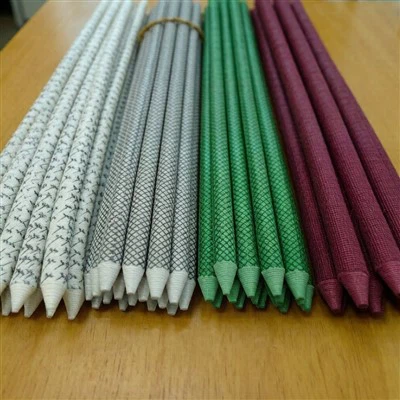
In conclusion, there are several types of climbing plant supports that are suitable for vertical gardens. Trellises, arbors, wire mesh, and wall – mounted supports each have their own unique characteristics and advantages. By considering factors such as plant type, garden style, durability, and installation, you can choose the right support for your vertical garden.
Nursery Plant Supports As a supplier of climbing plant supports, I am committed to providing high – quality products that meet the needs of our customers. Whether you are a professional gardener or a DIY enthusiast, we have a wide range of climbing plant supports to choose from. If you are interested in purchasing climbing plant supports for your vertical garden, please feel free to contact us to discuss your requirements. We look forward to working with you to create a beautiful and functional vertical garden.
References
- "The Complete Guide to Vertical Gardening" by Lisa Eldred Steinkopf
- "Vertical Gardening: From Design to Maintenance" by Patrick Blanc
Yizheng Wanteng Composites Co., Ltd.
As one of the most professional climbing plant supports manufacturers and suppliers in China, we’re featured by quality products and good service. Please rest assured to wholesale bulk slip-resistant climbing plant supports for sale here from our factory. Contact us for pricelist.
Address: No. 20 Longyi Road, Qingshan Town Industrial Park, Yizheng City, Jiangsu Province, China
E-mail: mark@wantfrp.com
WebSite: https://www.wantfrp.com/
