As a supplier of nonionic polyacrylamide, I am often asked whether it can be used in combination with other chemicals. The answer is yes, nonionic polyacrylamide can indeed be used in conjunction with various other substances, and this combination can bring about a range of benefits in different industrial applications. Nonionic Polyacrylamide

Compatibility with Inorganic Salts
Nonionic polyacrylamide shows good compatibility with many inorganic salts. For example, in water treatment processes, it can be used together with aluminum sulfate and ferric chloride. These inorganic salts are commonly used as coagulants to neutralize the charges of suspended particles in water, causing them to aggregate. Nonionic polyacrylamide, on the other hand, acts as a flocculant. When added after the inorganic salts, it can further bridge the aggregated particles, forming larger and more easily settleable flocs.
In a typical wastewater treatment scenario, first, an appropriate amount of aluminum sulfate is added to the wastewater. The positively charged aluminum ions neutralize the negative charges on the surface of suspended solids, making them less stable and more likely to come together. Then, nonionic polyacrylamide is introduced. Its long – chain molecular structure can adsorb multiple aggregated particles, creating a network – like structure that accelerates the sedimentation process. This combined use not only improves the efficiency of water treatment but also reduces the dosage of each chemical, leading to cost savings.
Synergy with Cationic and Anionic Polymers
Nonionic polyacrylamide can also be used in combination with cationic and anionic polymers. In some complex wastewater systems, such as those containing a mixture of organic and inorganic pollutants, a multi – polymer approach can be very effective.
When combined with cationic polymers, nonionic polyacrylamide can enhance the flocculation effect. Cationic polymers are excellent at neutralizing negatively charged particles and are often used in wastewater with high levels of anionic substances. Nonionic polyacrylamide can then strengthen the floc structure formed by the cationic polymer. For example, in the treatment of paper mill wastewater, which contains a large amount of negatively charged cellulose fibers and other organic matter, the combination of a cationic polymer and nonionic polyacrylamide can significantly improve the removal of suspended solids and COD (Chemical Oxygen Demand).
Conversely, when used with anionic polymers, nonionic polyacrylamide can help in situations where the wastewater has a relatively low charge density. The anionic polymer can initially adsorb on the particles, and the nonionic polyacrylamide can further promote the aggregation of these particles by providing additional bridging effects. This combination is useful in treating some industrial wastewaters with a complex composition, such as those from the textile industry.
Interaction with Surfactants
Surfactants are widely used in various industries, including detergents, emulsions, and enhanced oil recovery. Nonionic polyacrylamide can be used in combination with surfactants to achieve better performance.
In the field of enhanced oil recovery, surfactants are used to reduce the interfacial tension between oil and water, allowing the oil to be more easily displaced from the reservoir. Nonionic polyacrylamide can be added to improve the viscosity of the injection fluid. The increased viscosity helps to push the oil more effectively through the porous rock formations. The combination of a surfactant and nonionic polyacrylamide can enhance the oil recovery rate and improve the overall efficiency of the oil extraction process.
In detergent formulations, surfactants are responsible for removing dirt and grease. Nonionic polyacrylamide can be added to improve the stability of the detergent solution. It can prevent the separation of different components in the detergent and enhance the suspension of dirt particles, making the cleaning process more effective.
Considerations for Combined Use
While nonionic polyacrylamide can be used in combination with other chemicals, there are some important considerations. First, the dosage of each chemical needs to be carefully optimized. Too much or too little of any component can lead to sub – optimal results. For example, if too much nonionic polyacrylamide is added in combination with an inorganic salt, it may cause excessive flocculation, resulting in a sticky and difficult – to – handle sludge.
Second, the order of addition is crucial. In most cases, the coagulant (such as an inorganic salt) should be added first to neutralize the charges of the particles, followed by the flocculant (nonionic polyacrylamide). This sequence ensures that the particles are properly prepared for the flocculation process.
Third, the pH of the solution also affects the performance of the combined chemicals. Nonionic polyacrylamide is relatively stable over a wide pH range, but some of the other chemicals may have specific pH requirements. For example, aluminum sulfate works best in an acidic to slightly neutral pH range. Therefore, the pH of the solution should be adjusted accordingly to ensure the optimal performance of the chemical combination.
Applications in Different Industries
Water Treatment
As mentioned earlier, the combination of nonionic polyacrylamide with other chemicals is widely used in water treatment. In municipal water treatment plants, the combined use of inorganic salts and nonionic polyacrylamide can effectively remove suspended solids, turbidity, and some heavy metals from raw water. In industrial wastewater treatment, such as in the food processing, chemical, and mining industries, the appropriate combination of chemicals can meet the strict discharge standards.
Oil and Gas Industry
In the oil and gas industry, the combination of nonionic polyacrylamide with surfactants and other polymers is essential for enhanced oil recovery. It helps to improve the sweep efficiency of the injection fluid, leading to increased oil production. Additionally, in drilling fluids, nonionic polyacrylamide can be used in combination with other additives to control the viscosity and rheological properties of the fluid, ensuring smooth drilling operations.
Pulp and Paper Industry
In the pulp and paper industry, the combination of nonionic polyacrylamide with cationic polymers can improve the retention and drainage of the pulp. This results in higher paper quality, reduced water consumption, and lower production costs.
Conclusion
In conclusion, nonionic polyacrylamide can be effectively used in combination with a variety of other chemicals, including inorganic salts, cationic and anionic polymers, and surfactants. This combined use can bring about significant benefits in different industrial applications, such as improved water treatment efficiency, enhanced oil recovery, and better product quality in the pulp and paper industry.
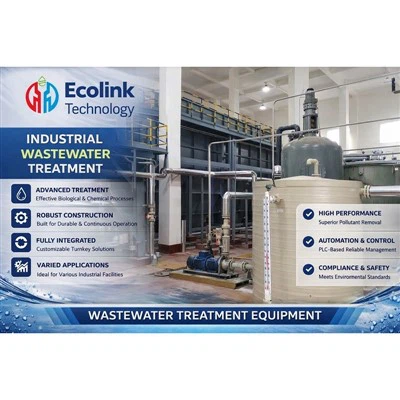
Water Treatment Equipment However, to achieve the best results, it is necessary to carefully consider factors such as dosage, order of addition, and pH. As a supplier of nonionic polyacrylamide, I am committed to providing high – quality products and technical support to help our customers optimize the use of nonionic polyacrylamide in combination with other chemicals. If you are interested in learning more about the applications of nonionic polyacrylamide or would like to discuss potential procurement, please feel free to contact us for further discussions.
References
- Water Treatment Handbook, edited by Metcalf & Eddy.
- Handbook of Industrial Wastewater Treatment, by Wang, L. K., et al.
- Enhanced Oil Recovery, by Lake, L. W.
Shandong Ecolink Technology Co., Ltd.
Shandong Ecolink Technology Co., Ltd. is one of the most reliable nonionic polyacrylamide manufacturers and suppliers in China. We warmly welcome you to wholesale bulk high quality nonionic polyacrylamide from our factory. If you have any enquiry about cooperation, please feel free to email us.
Address: No. 8, Xiaying Chemical Industry Park, Aobu Road, Xiaying Town, Changyi City, Weifang City, Shandong Province,China
E-mail: sale02@ecolink-environment.com
WebSite: https://www.ecolink-environment.com/
