Hey there, fellow engine enthusiasts! I’m a supplier of piston kits, and one question I get asked all the time is, "How long does a piston kit last?" Well, buckle up, ’cause I’m gonna break it down for you. Piston Kit

First off, it’s important to understand that there’s no one – size – fits – all answer to this question. The lifespan of a piston kit can vary widely depending on a bunch of factors. Let’s start with the quality of the piston kit itself.
Quality of the Piston Kit
When you’re in the market for a piston kit, you’ve got a range of options. There are high – end kits made from top – notch materials and precision – engineered to meet strict standards. These kits are often more expensive, but they’re built to last. For example, kits made from forged aluminum are generally more durable than those made from cast aluminum. Forged pistons can handle higher pressures and temperatures, which means they’re less likely to wear out quickly.
On the other hand, there are budget – friendly piston kits. These can be a good option if you’re on a tight budget, but they might not have the same level of quality. The materials used might be of lower grade, and the manufacturing process might not be as precise. As a result, these kits might not last as long as their high – end counterparts.
I always tell my customers, "You get what you pay for." If you want a piston kit that’s gonna last, it’s worth investing in a quality one.
Engine Usage
How you use your engine plays a huge role in how long the piston kit lasts. If you’ve got a vehicle or equipment that’s used for light, occasional driving or operation, the piston kit is likely to last longer. For instance, if you use your car mainly for short trips around town at moderate speeds, the pistons aren’t under as much stress.
But if you’re into high – performance driving, like racing or off – roading, the story is different. In these situations, the engine is working hard, with high RPMs and extreme temperatures. The pistons have to endure a lot more wear and tear. For example, in a race car, the pistons are constantly being pushed to their limits. They might need to be replaced after just a few races.
Similarly, if you use your engine for heavy – duty work, like towing or hauling, the pistons will also experience more stress. The increased load on the engine means that the pistons have to work harder to keep the engine running smoothly. This can lead to faster wear and a shorter lifespan for the piston kit.
Maintenance
Proper maintenance is crucial for extending the life of a piston kit. One of the most important things is to keep the engine properly lubricated. Oil acts as a lubricant and a coolant for the pistons. If the oil level is low or the oil is dirty, it can cause increased friction between the pistons and the cylinder walls. This friction can lead to premature wear and damage to the pistons.
I always recommend changing the oil at regular intervals, as specified in the engine’s manual. Also, using the right type of oil is essential. Different engines require different grades of oil, and using the wrong one can have a negative impact on the piston kit.
Another aspect of maintenance is keeping the engine clean. Dirt and debris can get into the engine and cause problems. For example, if dirt gets between the piston and the cylinder wall, it can act like sandpaper and wear down the surfaces. Regularly cleaning the air filter and checking for any signs of leaks can help prevent these issues.
Installation
How the piston kit is installed also matters. If the installation is done incorrectly, it can lead to a whole bunch of problems and reduce the lifespan of the kit. For example, if the pistons aren’t properly aligned in the cylinders, it can cause uneven wear. This can lead to issues like piston slap, where the pistons make a knocking noise as they move up and down in the cylinders.
It’s always a good idea to have the piston kit installed by a professional mechanic. They have the experience and the tools to ensure that the installation is done correctly. If you’re a DIYer, make sure you follow the manufacturer’s instructions carefully.
Typical Lifespans
So, what can you expect in terms of lifespan? Well, for a well – maintained engine used for normal, everyday driving, a piston kit can last anywhere from 80,000 to 120,000 miles. This is a rough estimate, though, and it can vary depending on the factors we’ve discussed.
In high – performance engines or engines used for heavy – duty work, the piston kit might need to be replaced after 30,000 to 60,000 miles. Again, this is just a ballpark figure.
If you notice any signs of trouble, like decreased engine performance, increased oil consumption, or strange noises coming from the engine, it’s a good idea to have the piston kit checked out. Catching problems early can save you a lot of money in the long run.
Signs of a Worn – Out Piston Kit
There are a few tell – tale signs that your piston kit might be reaching the end of its lifespan. One of the most obvious signs is excessive oil consumption. If your engine is burning a lot of oil, it could be because the pistons are worn and the piston rings aren’t sealing properly. This allows oil to leak into the combustion chamber and get burned along with the fuel.
Another sign is a loss of power. If your engine seems to be struggling to accelerate or doesn’t have the same power as it used to, it could be due to worn pistons. The pistons might not be able to generate as much force during the combustion process, which leads to a decrease in power.
Strange noises are also a red flag. If you hear knocking or rattling sounds coming from the engine, it could be a sign of piston slap or other piston – related problems.
Conclusion
In conclusion, the lifespan of a piston kit depends on a variety of factors, including the quality of the kit, engine usage, maintenance, and installation. By choosing a high – quality piston kit, using your engine responsibly, maintaining it properly, and having it installed correctly, you can maximize the lifespan of the piston kit.
If you’re in the market for a piston kit, I’m here to help. I’ve got a wide range of piston kits to suit different engines and budgets. Whether you need a kit for a small car engine or a heavy – duty industrial engine, I can provide you with the right product.
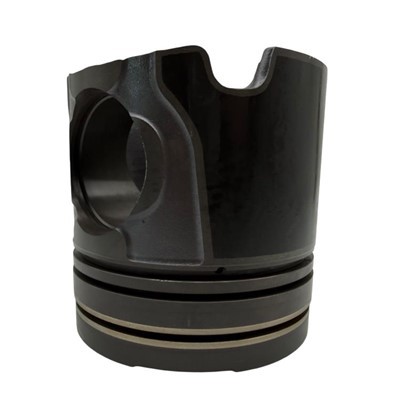
If you have any questions or want to discuss your piston kit needs, don’t hesitate to get in touch. We can have a chat about your specific requirements and find the best solution for you.
YUNNEI Piston References
- Automotive Engine Design textbooks
- Manufacturer’s guides for piston kits
- Industry reports on engine component durability
Hebei Yuwei Piston Co., Ltd.
As one of the most professional piston kit manufacturers and suppliers in China, we’re featured by quality products and good service. Please rest assured to buy customized piston kit made in China here from our factory. Also, quotation is available.
Address: Beizhujiacun Village, Sujiuzhuang Town, Ningjin County, Xingtai City, Hebei Province
E-mail: jack@ywpiston.com
WebSite: https://www.ywpiston.com/
