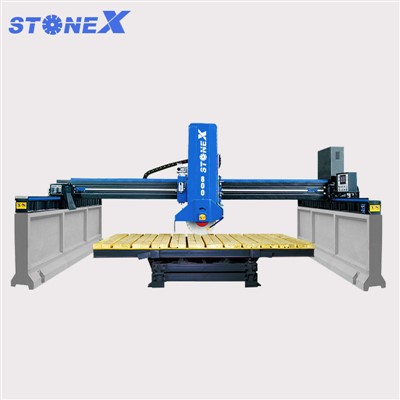
Ceramics have long been valued for their hardness, durability, and aesthetic appeal, making them a popular material in various industries from art and architecture to electronics and automotive. Cutting ceramics precisely, however, has always been a challenge due to their brittleness and high hardness. This is where waterjet cutting machines come in as a game – changer. As a waterjet cutting machine supplier, I’m excited to share with you how these remarkable machines work their magic on ceramics. Waterjet Cutting Machine
The Basics of Waterjet Cutting
Before delving into how waterjet cutting machines cut ceramics, it’s essential to understand the fundamental principles of waterjet cutting. At its core, waterjet cutting is a machining process that uses a high – pressure stream of water, sometimes mixed with an abrasive material, to cut through various materials.
The system consists of several key components. First, there is a high – pressure pump that can generate pressures of up to 60,000 pounds per square inch (psi) or even higher in some advanced models. This high pressure forces water through a very small orifice, typically between 0.007 to 0.015 inches in diameter. As the water passes through the orifice, it forms a high – velocity jet.
In abrasive waterjet cutting, an abrasive hopper is added to the system. Abrasive particles, usually garnet sand, are introduced into the waterjet stream. The abrasive particles increase the cutting power of the jet, allowing it to cut through harder materials more effectively.
Why Waterjet Cutting for Ceramics?
Ceramics are extremely hard and brittle, which makes them difficult to cut using traditional methods such as sawing or milling. Traditional cutting methods often generate a significant amount of heat, which can cause thermal stress in the ceramic material. This thermal stress can lead to cracking, chipping, or other forms of damage, reducing the quality of the cut and the integrity of the final product.
Waterjet cutting, on the other hand, is a cold – cutting process. It does not generate heat, so there is no risk of thermal damage to the ceramic. Additionally, the high – pressure waterjet can cut through ceramics with high precision, allowing for intricate designs and tight tolerances. The cutting process is also relatively quiet and produces less dust compared to other cutting methods, which is beneficial for both the working environment and the health of the operators.
The Cutting Process on Ceramics
Step 1: Preparation
The first step in cutting ceramics with a waterjet cutting machine is preparation. This involves securing the ceramic workpiece firmly on the cutting table. Since ceramics are brittle, proper fixturing is crucial to prevent movement during the cutting process, which could lead to inaccurate cuts or damage to the material.
The operator also needs to determine the appropriate cutting parameters based on the type of ceramic, its thickness, and the desired cutting quality. For example, harder ceramics may require higher pressure and a higher flow rate of abrasive material, while thinner ceramics may need a lower pressure to avoid cracking.
Step 2: Programming the Machine
Modern waterjet cutting machines are often controlled by computer – numerical – control (CNC) systems. The operator uses specialized software to create a cutting path based on the design requirements. The software allows for precise control of the cutting head’s movement, including the speed, direction, and depth of the cut.
The cutting path is programmed to account for the width of the waterjet, known as the kerf. The kerf width can vary depending on factors such as the pressure, the type of abrasive, and the orifice size. Accurately accounting for the kerf ensures that the final cut has the correct dimensions.
Step 3: Initiating the Cutting Process
Once the workpiece is secured and the machine is programmed, the cutting process can begin. The high – pressure pump starts to build up pressure, and the water is forced through the orifice to form a high – velocity jet. If abrasive waterjet cutting is being used, the abrasive particles are introduced into the jet stream.
The cutting head moves along the programmed path, and the waterjet or abrasive waterjet impinges on the ceramic surface. The high – velocity water and abrasive particles gradually erode the ceramic material, creating a cut. The cutting speed can vary depending on the material and the cutting parameters, but it is generally slower for ceramics compared to softer materials due to their hardness.
Step 4: Monitoring and Adjusting
During the cutting process, the operator monitors the machine to ensure that everything is running smoothly. They check for any signs of problems, such as clogging of the abrasive feed system or excessive wear of the cutting head. If necessary, the operator can make adjustments to the cutting parameters, such as the pressure or the feed rate, to optimize the cutting quality.
Step 5: Finishing
After the cutting is complete, the ceramic workpiece may require some finishing operations, such as deburring or sanding, to remove any rough edges or burrs left by the cutting process. However, waterjet cutting typically produces a relatively smooth cut surface, reducing the amount of post – processing required compared to other cutting methods.
Factors Affecting the Cutting Quality
Several factors can affect the quality of the waterjet – cut ceramics.
Material Properties
Different types of ceramics have different hardness, porosity, and structure, which can influence the cutting process. For example, alumina ceramics are very hard and require high – energy waterjets for cutting, while zirconia ceramics may have a different response to the cutting forces due to their unique phase – transformation toughening mechanism.
Cutting Parameters
As mentioned earlier, the cutting parameters, including pressure, flow rate of water and abrasive, cutting speed, and abrasive size, play a crucial role in determining the cutting quality. Incorrect parameters can lead to issues such as rough cut surfaces, excessive chipping, or slow cutting speeds.
Machine Maintenance
Proper maintenance of the waterjet cutting machine is essential for consistent cutting quality. Regular cleaning of the orifice, checking the pump for leaks and proper pressure generation, and maintaining the abrasive feed system are all important tasks. Neglecting maintenance can result in reduced cutting performance and premature wear of machine components.
Applications of Waterjet – Cut Ceramics
The ability to cut ceramics precisely using waterjet cutting machines has opened up a wide range of applications.
In the art and design industry, waterjet – cut ceramics are used to create intricate sculptures, decorative tiles, and architectural elements. The high precision and the ability to create complex shapes allow artists and designers to bring their creative visions to life.
In the electronics industry, ceramics are used as insulators, substrates, and packaging materials. Waterjet cutting can be used to cut ceramic components to the exact specifications required for electronic devices, ensuring high – quality and reliable performance.
In the automotive industry, ceramic parts such as brake discs and engine components can be cut using waterjet technology. The precise cutting and the ability to maintain the integrity of the ceramic material contribute to the safety and performance of vehicles.
Conclusion
Waterjet cutting machines offer an effective and precise solution for cutting ceramics. As a waterjet cutting machine supplier, I have witnessed firsthand how these machines have revolutionized the way ceramics are processed in various industries. The cold – cutting nature, high precision, and versatility of waterjet cutting make it an ideal choice for working with ceramics.
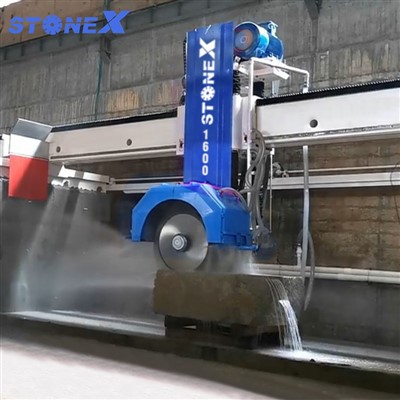
Block Cutting Machine If you’re looking for a reliable solution to cut ceramics in your business, I encourage you to reach out and start a discussion with us. Our team of experts can provide you with more information about our waterjet cutting machines, help you select the right model for your specific needs, and offer support throughout the purchasing process. We’re committed to providing high – quality products and excellent customer service to help you achieve the best results in your ceramic cutting applications.
References
- "Advanced Ceramics: Materials, Technologies, and Applications" by John B. Wachtman
- "Waterjet Technology: Principles and Applications" by Mark C. Fox
- "Cutting and Machining of Ceramics" by Ramulu M and Bhattacharya D
Nantong Huayi Intelligent Equipment Co., Ltd.
Address: Dongsheng Stone Industry Park, Changjiang Town, Rugao City, Jiangsu Province, China
E-mail: claire@hualongm.com
WebSite: https://www.hystonemachinery.com/
