In the dynamic landscape of the cable industry, the interaction between paper and other cable materials is a topic of significant importance. As a dedicated supplier of paper for the cable industry, I’ve witnessed firsthand how paper’s unique properties can influence and enhance the performance of cables when combined with various other materials. Paper for The Cable Industry
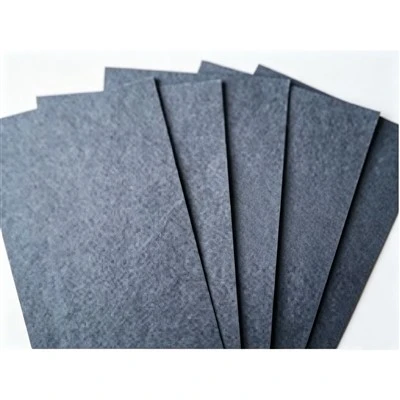
The Role of Paper in Cables
Paper has long been a staple in the cable industry due to its excellent insulating properties. It provides a reliable barrier against electrical currents, helping to prevent short – circuits and ensure the safe and efficient operation of cables. The natural cellulose fibers in paper have a high dielectric strength, which means they can withstand high voltages without breaking down. This makes paper an ideal material for use in high – voltage cables, where insulation is of utmost importance.
Moreover, paper is a flexible and lightweight material. It can be easily wrapped around conductors, conforming to their shape and providing a snug fit. This flexibility allows for the production of cables with different shapes and sizes, meeting the diverse needs of various applications. Whether it’s a small, delicate cable for electronic devices or a large, heavy – duty cable for industrial use, paper can be tailored to fit the requirements.
Interaction with Conductors
One of the primary interactions in the cable industry is between paper and conductors, typically made of copper or aluminum. When paper is used as an insulating layer around the conductor, it forms a protective shield. The smooth surface of the paper reduces the risk of abrasion on the conductor, which could otherwise lead to damage and a decrease in electrical performance.
However, it’s important to ensure that the paper is properly dried before application. Moisture in the paper can cause corrosion of the conductor over time. To prevent this, we often treat our paper with moisture – resistant coatings or additives. This not only protects the conductor from the harmful effects of moisture but also enhances the overall durability of the cable.
In addition, the paper’s insulating properties help to reduce electrical losses. When an electrical current flows through a conductor, some energy is lost in the form of heat. The paper insulation acts as a thermal barrier, reducing the heat transfer from the conductor to the surrounding environment. This results in more efficient energy transmission and lower power consumption.
Interaction with Filler Materials
Filler materials are commonly used in cables to provide mechanical support and improve the cable’s overall shape and stability. Paper can interact with these filler materials in several ways. For example, when paper is combined with fibrous filler materials, such as glass fibers or aramid fibers, it can enhance the mechanical strength of the cable. The paper fibers interlock with the filler fibers, creating a stronger and more rigid structure.
On the other hand, when used with granular filler materials like mica or talc, paper can act as a binder. The paper holds the granules together, preventing them from shifting or settling during the cable manufacturing process. This ensures a more uniform distribution of the filler material throughout the cable, which in turn improves the cable’s performance.
Interaction with Sheathing Materials
The sheathing material is the outermost layer of the cable, providing protection against environmental factors such as moisture, chemicals, and mechanical damage. Paper can have a significant impact on the performance of the sheathing material.
In some cases, paper can be used as an intermediate layer between the conductor and the sheathing. This helps to improve the adhesion between the two. The porous nature of the paper allows the sheathing material to penetrate slightly, creating a stronger bond. This is particularly important in cables that are exposed to harsh environmental conditions, as a strong bond between the layers ensures the long – term integrity of the cable.
However, the choice of sheathing material also affects how paper performs. For example, if a rubber – based sheathing material is used, the paper must be compatible with the rubber’s curing process. Incompatible materials can lead to delamination or other issues that can compromise the cable’s performance.
Impact on Cable Manufacturing Processes
The interaction between paper and other cable materials also influences the cable manufacturing processes. When using paper as an insulating material, the wrapping process must be carefully controlled. The tension applied during wrapping affects the thickness and uniformity of the paper layer. Too much tension can cause the paper to tear, while too little tension can result in a loose and ineffective insulation layer.
In addition, when combining paper with other materials, the order of application is crucial. For example, in a cable with multiple layers of insulation and sheathing, the paper layer must be applied at the appropriate stage. If it is applied too early or too late, it may not interact properly with the other materials, leading to sub – optimal cable performance.
Quality Control and Testing
To ensure the proper interaction between paper and other cable materials, strict quality control and testing procedures are essential. We conduct a series of tests on our paper products, including dielectric strength tests, moisture content tests, and tensile strength tests. These tests help us to identify any potential issues with the paper before it is used in the cable manufacturing process.
We also work closely with our customers to understand their specific requirements and conduct joint testing on the final cable products. This collaborative approach allows us to optimize the interaction between paper and other materials, ensuring that the cables meet the highest standards of quality and performance.
Conclusion
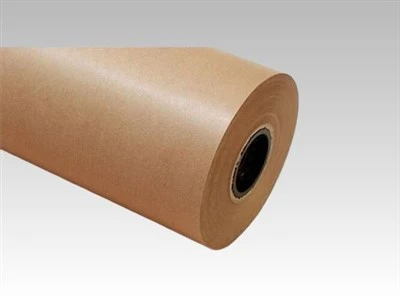
In conclusion, the interaction between paper and other cable materials is a complex and multi – faceted process. As a supplier of paper for the cable industry, we understand the importance of these interactions and are committed to providing high – quality paper products that enhance the performance of cables. Our paper offers excellent insulation, flexibility, and compatibility with a wide range of other cable materials.
Activated Carbon Filter Paper If you are in the cable manufacturing industry and are looking for a reliable paper supplier, we would be delighted to discuss your requirements. Our team of experts can provide you with detailed information about our products and how they can interact with your existing cable materials to improve the overall performance of your cables. Contact us to start a procurement discussion and take your cable products to the next level.
References
- Grover, P. K. (2000). Electrical Insulation in Power Equipment. Marcel Dekker.
- Neher, J. H., & McGrath, M. H. (1957). The calculation of the temperature rise and load capability of cable systems. AIEE Transactions, 76(3), 752 – 772.
- Saha, T. K. (2004). Condition monitoring of power transformers: a review. IEEE Transactions on Power Delivery, 19(4), 1701 – 1710.
Shanghai Rongying Industrial Co., Ltd.
As one of the most professional paper for the cable industry manufacturers and suppliers in China, we’re featured by quality products and good price. Please rest assured to wholesale customized paper for the cable industry from our factory. If you have any enquiry about quotation and free sample, please feel free to email us.
Address: Jiahua Business Center C building 204 room, No.808 Hongqiao Road,Xuhui District,Shanghai,China
E-mail: info@shryspecialtypaper.com
WebSite: https://www.woolpaper.com/
