Hey there! I’m a supplier of slant bed lathes, and today I wanna share some tips on how to replace the bearings in a slant bed lathe. It might sound a bit technical, but don’t worry, I’ll break it down in easy – peasy steps. Slant Bed Lathe
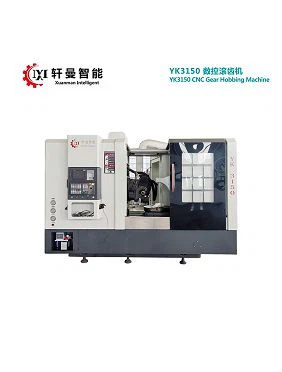
First off, why would you need to replace the bearings? Well, over time, bearings can wear out due to constant use, friction, and exposure to various contaminants. When this happens, you might notice some signs like strange noises coming from the lathe, vibrations, or a decrease in the accuracy of your machining operations. If you spot any of these issues, it’s probably time to take a closer look at those bearings.
Tools You’ll Need
Before you jump into the replacement process, you gotta gather the right tools. Here’s a list of what you’ll need:
- A set of wrenches: Different sizes are required to remove the nuts and bolts holding the bearing housing in place.
- A bearing puller: This is super important for safely removing the old bearings without damaging the shaft or other components.
- A soft – faced hammer: You’ll use this to gently tap parts into place during the installation process.
- A torque wrench: To ensure that you tighten the nuts and bolts to the correct specifications.
- Clean rags and a degreaser: To clean the shaft and the bearing housing before installing the new bearings.
Step 1: Prepare the Workspace
Let’s start with getting your workspace all set up. First, turn off the slant bed lathe and unplug it from the power source. This is a crucial safety step to prevent any accidental starts. Then, clean the area around the lathe. Remove any chips, dirt, or debris that could get into the works while you’re working on the bearings.
Step 2: Remove the Old Bearings
Now, it’s time to get down to removing the old bearings. First, locate the bearing housing. The housing is usually a protective casing that holds the bearing in place. Use your wrench set to loosen and remove the bolts that secure the housing. Once the bolts are out, gently lift off the housing.
Next, use the bearing puller. This tool grips the old bearing and allows you to gradually pull it off the shaft. Make sure you apply even pressure to avoid damaging the shaft. If the bearing is really stubborn and won’t come off, you can try heating it slightly with a heat gun. But be careful not to overheat it, as this could cause damage to the shaft or other surrounding parts.
After you’ve removed the old bearing, take a good look at the shaft. Check for any signs of wear, scoring, or damage. If you notice any issues, you might need to get the shaft repaired or replaced before installing the new bearing.
Step 3: Clean the Shaft and Housing
Once you’ve removed the old bearing, the next step is to clean the shaft and the bearing housing. Take your degreaser and apply it to a clean rag. Then, carefully wipe down the shaft to remove any grease, dirt, or debris. Make sure to get into all the nooks and crannies. Do the same for the bearing housing.
A clean surface is essential for the proper installation of the new bearing. Any remaining dirt or debris could cause premature wear or misalignment of the new bearing. So, take your time and make sure everything is squeaky clean.
Step 4: Install the New Bearings
Now comes the fun part – installing the new bearings. First, make sure you have the right type and size of bearings for your slant bed lathe. Check your lathe’s manual or consult with the manufacturer if you’re not sure.
Before you install the bearing, apply a thin layer of high – quality bearing grease to the inside of the bearing and the shaft. This will help with lubrication and reduce friction. Then, carefully place the new bearing on the shaft. Use your soft – faced hammer to gently tap the bearing into place until it’s fully seated. Make sure it’s aligned properly.
Once the bearing is in place, put the bearing housing back on. Line up the holes in the housing with the holes in the lathe frame and insert the bolts. Use the torque wrench to tighten the bolts to the recommended torque settings. Over – tightening or under – tightening the bolts can cause problems, so it’s important to get it right.
Step 5: Test the Lathe
After you’ve installed the new bearings, it’s time to test the lathe. Plug it back in and turn it on. Listen carefully for any abnormal noises or vibrations. If everything sounds and feels okay, run a few test pieces to check the accuracy of the machining. If you notice any issues, double – check your installation and make sure everything is in place properly.
Choosing the Right Bearings
When it comes to replacing bearings, choosing the right ones is key. As a slant bed lathe supplier, I’ve seen a lot of different types of bearings out there. You’ve got ball bearings, which are great for high – speed applications because they have less friction. Then there are roller bearings, which are better for heavy – load applications.
You also need to consider the size, the tolerance, and the material of the bearings. The wrong size or material can lead to all sorts of problems, like premature wear or even damage to the lathe. If you’re not sure which bearings are right for your lathe, don’t hesitate to reach out. We’re here to help you make the best choice.
Why Trust a Professional Supplier?
As a slant bed lathe supplier, I know how important it is to have high – quality parts and reliable service. When you’re replacing the bearings in your lathe, you want to make sure you’re getting the best products. That’s where we come in. We source our bearings from top – notch manufacturers, so you can trust that you’re getting durable and high – performance parts.
We also offer support and advice. If you run into any problems during the replacement process, or if you have questions about which bearings to choose, our team of experts is just a call or an email away. We’ve been in the business for a long time, and we’ve dealt with all sorts of slant bed lathe issues. So, you can rely on us to guide you every step of the way.
Conclusion
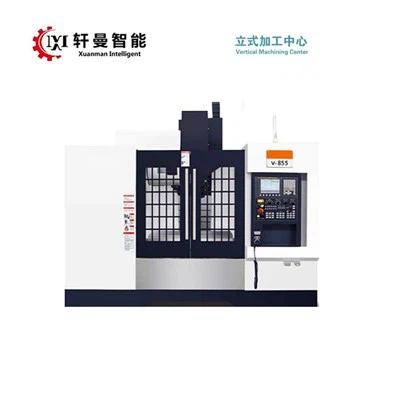
Replacing the bearings in a slant bed lathe is a task that might seem daunting at first, but with the right tools, some patience, and a bit of know – how, you can do it. By following these steps, you can ensure that your lathe runs smoothly and accurately for years to come.
CNC Turning Machine If you’re in the market for new slant bed lathes or need high – quality bearings for your current machine, don’t hesitate to get in touch. We’re here to provide you with the best products and support. Whether you’re a small – scale workshop or a large manufacturing facility, we’ve got the solutions you need.
References
- "Manufacturing Technology Handbook"
- "Lathe Operation Manuals"
- Industry – specific technical bulletins on bearing maintenance and replacement
Jiangsu Xuanman Intelligent Equipment Co., Ltd.
We’re well-known as one of the leading slant bed lathe manufacturers in China, featured by quality products and low price. Please rest assured to buy discount slant bed lathe made in China here from our factory. We also accept customized orders.
Address: No. 1-1, Weier Road, Jieji Equipment Manufacturing Industrial Park, Sihong County, Suqian City, Jiangsu Province, China
E-mail: jsxmzn@163.com
WebSite: https://www.xm-cnc.com/
