If you’re a chairs supplier, you don’t just sell seating—you sell pieces that turn a “room” into a space that feels like home. Over the years, I’ve worked with hundreds of clients, from first-time renters furnishing their tiny studio apartments to interior designers outfitting luxury penthouses, and the question I get most isn’t “What’s the most stylish chair you have?” It’s “How do I make my chair fit in my living room without it looking like an afterthought?” The good news? Styling a chair in a living room isn’t about stacking random throw pillows or buying the trendiest fabric— it’s about balance, function, and making the piece feel intentional, not like an add-on. Let’s break this down, from measuring your space to adding the little details that make a chair the center of your living room’s personality. Chairs
First, and I can’t stress this enough, start with the basics: space and scale. I’ve seen more mistakes made here than any other part, and they’re all avoidable. Let’s say you have a living room that’s 12 feet wide and 18 feet long. If you cram a bulky, overstuffed armchair that takes up 40% of that empty corner, not only will you leave no room to walk, but the chair will feel way too big for the space. Conversely, a tiny, dainty side chair in a room with a large sectional sofa will get lost—like a kid standing next to an adult. The rule I always share, and that my team and I follow when designing our own showrooms, is the “1/3 rule”: the chair should take up no more than 1/3 of the empty space in its intended nook. So for that 12-foot wide corner, if you have a clear spot that’s 4 feet wide, your chair should be around 18 to 22 inches wide at its widest point—perfect for squeezing in, not taking over.
Another space tip: don’t block walkways. I once delivered a mid-century armchair to a client’s home, and when we tried to place it next to their sofa, it was 6 inches from the door. They ended up moving it to the opposite side of the room, and it looked way better there because it didn’t force people to squeeze past to get to the kitchen. A general guideline is to leave at least 30 inches of clear space between your chair and any other furniture—sofa, coffee table, TV stand, whatever. If you have a small living room (under 200 square feet), skip the oversized recliner entirely. Opt for a slipper chair or a lightweight side chair that you can tuck under a console table when you’re not using it. I designed a line of compact armless chairs last year for exactly this reason—they’re only 20 inches wide, and our smallest model works great in studio apartments where space is at a premium.
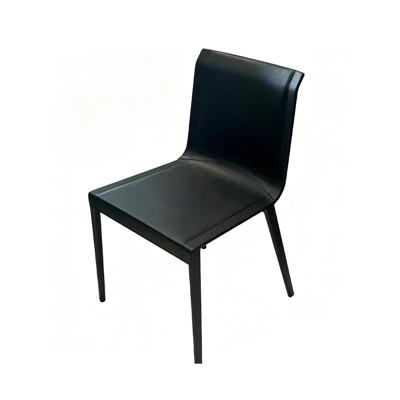
Next, function should drive style, not the other way around. No matter how beautiful a chair is, if it’s not comfortable, it’ll never feel “at home” in your living room. I learned this early on as a chairs supplier: I once stocked a line of sleek, leather accent chairs that looked amazing in photos, but they had a hard, flat seat and no lumbar support. Within six months, 30% of them were returned—clients kept saying they looked great, but no one wanted to sit in them for more than 10 minutes. Now, before we add any new chair to our catalog, we test them ourselves. We sit in them while reading books, watching TV, even eating takeout (no stains, if you’re wondering). For living rooms, the best chairs are ones that balance looks and use: a soft, woven armchair for a casual space, a velvet club chair for a more formal sitting area, a swivel chair for anyone who likes to move around while they work or watch a movie.
Function also means matching the chair to how you use your living room. If your living room is where you host game nights with your kids and their friends, you don’t want a delicate upholstered chair that will get stained if someone spills soda. Opt for a performance fabric—stain-resistant, easy to wipe down, and still stylish. We’ve had clients pick our linen-blend chairs with a protective coating for this exact reason, and they tell me they hold up way better than the “pretty” ones they bought at a big-box store. If your living room is a more quiet space, where you curl up with a book at night, go for a chair with a deep seat and a tall back—something that feels like a hug when you sink into it. I love pairing a oversized boucle chair with a footstool for this; it’s functional and makes the space feel like a cozy retreat.
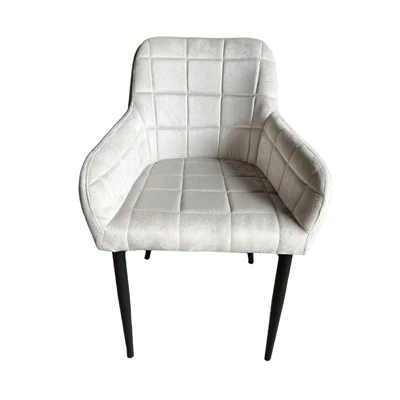
Now, the fun part: style and mixing pieces. A chair doesn’t have to match your sofa— that’s a myth I hear all the time. In fact, mixing materials, shapes, and styles is what makes a living room feel curated, not generic. Let’s say you have a neutral, beige linen sofa in your living room. A lot of people think they have to buy a beige chair to match, but that’s boring. Instead, try a dark oak wood chair with a curved back to contrast the straight lines of the sofa, or a bold velvet chair in deep teal to add a pop of color. The key here is to stick to one unifying element so it doesn’t feel messy. For example, if your sofa has metal legs, make sure your chair has metal legs too—even if they’re a different finish. Or if your coffee table is made of marble, add a chair with a marble accent on the arm or back to tie the two together.
I’m a big fan of mixing eras too. A mid-century modern chair with tapered wooden legs pairs surprisingly well with a traditional chesterfield sofa, as long as the colors work. Let me give you an example: last year, a client came to me with a navy chesterfield sofa and wanted to add a chair that felt fresh, not old. We picked a walnut wood armchair with a cream leather seat, and it worked perfectly— the warm wood balanced the heavy leather of the sofa, and the cream pulled out the stitching details on the chesterfield. Don’t be afraid to play with shape either. If your sofa is all rounded edges, add a chair with angular, straight lines to create contrast. If your sofa is linear and boxy, a soft, curvy chair will soften the space.
Once you’ve placed the chair and picked the right style, it’s time to add the finishing touches that make it feel intentional. The number one accessory for a living room chair is a throw pillow, but it’s easy to overdo it. I recommend 1 to 3 pillows max, depending on the size of the chair. For a large armchair, 2 pillows work great: one standard size (18×18) and one smaller lumbar pillow to support your back. For a smaller side chair, just one small lumbar pillow is enough. Match the pillows to other elements in the room—for example, if you have a rug with blue stripes, add a blue pillow to the chair. If your sofa has neutral pillows, a patterned pillow on the chair will add visual interest without clashing.
A throw blanket is another great addition, especially if you use your living room in the evening. Drape it over the arm of the chair, or fold it neatly on the seat—just make sure it’s easy to grab. If you have a small side table next to your chair, you can add a lamp, a small potted plant, or a stack of books to make the chair feel like its own little nook. The key here is not to clutter the space. I once had a client who put 5 pillows, a blanket, a small plant, a candle, and a bowl of fruit on her chair—and it looked like a store display, not a place to sit. Less is more: pick 1 or 2 meaningful accessories that fit the vibe of the room.
Wait, what about placement? Where you put the chair is almost as important as the chair itself. The most common spot is across from the sofa, which creates a conversational area perfect for chatting with family or friends. If you have a fireplace, placing the chair on one side of the firebox draws the eye to the focal point. For a more casual feel, tuck the chair in a corner next to a window, so you have natural light when you read. I also love the “conversation pair” trick: if you have a small living room, place two chairs facing each other, with a small round side table between them. It creates a cozy, intimate spot without taking up too much space.
I should also mention a few common mistakes to avoid. First, don’t place the chair so far from the sofa that you have to yell to talk to someone. The optimal distance is 3 to 5 feet apart, so you can easily pass a mug or have a conversation. Second, don’t ignore the floor. If your chair has a hard, smooth leg (metal or plastic), add a small rug under it to protect your floor and tie it to the rest of the room. The rug should be large enough that at least the front legs of the chair are on it—this makes the chair feel grounded, not floating. Third, don’t forget about height. The seat of your chair should be level with the seat of your sofa, or a couple of inches lower. If it’s too high, your feet will dangle; too low, you’ll have trouble getting up. We always include the seat height in our product descriptions for this exact reason—no one should guess if a chair will work for their space.
Over the 10 years I’ve been a chairs supplier, I’ve learned that styling a chair isn’t about following trends. It’s about making the chair work for you and your living room. Whether you pick a sleek leather chair for a modern space or a cozy boucle chair for a bohemian retreat, the best chair is the one that makes you want to sit down and stay a while. If you’re looking for the right chair to style your living room, or if you’re a designer or contractor sourcing chairs in bulk, feel free to reach out for a consultation. We work with every type of space, from small apartments to large family homes, and we can help you pick the perfect chair that fits your style, your needs, and your budget.
As you plan your living room refresh, remember: a great chair doesn’t just fill a spot—it becomes the spot people gravitate toward. Whether it’s for morning coffee, evening chats, or lazy Sunday movie nights, the right chair can tie your whole living room together. If you have questions about sizing, materials, or styling for your specific space, don’t hesitate to connect. We’re here to help you turn your living room into the space you’ve always wanted.
Chairs References:
- Interior Design Foundation. (2022). Space Planning for Residential Interiors. Wiley.
- Miller, N. (2021). The Curated Home: Mixing Furniture Styles for Modern Living. Rizzoli.
- American Society of Interior Designers. (2020). Residential Furniture Selection and Scale Guidelines. ASID Press.
- Chen, L. (2019). Functional Furniture for Small Spaces: Maximizing Square Footage. Rockport Publishers.
- Harris, J. (2018). Accessorizing for Living Spaces: Balance and Intent. Gibbs Smith.
Bazhou Ransheng Furniture Co., Ltd.
We’re well-known as one of the most experienced chairs manufacturers and suppliers in China. With a professional production team, we offer a wide range of chairs with superior quality. Welcome to wholesale bulk high-end chairs in stock here and get quotation from our factory. Customized orders are welcome.
Address: Shengfang Town, Bazhou City, Langfang City, Hebei Province
E-mail: m13513011855@163.com
WebSite: https://www.ranshengfurni.com/
