When I first started talking to new parents who were curious about swapping single-use plastics for reusable bags, one question kept popping up over and over again: “Can I use a cotton bag for carrying baby items?” As someone who’s spent the last ten years running a small cotton bag supply business—meeting with nurseries, mom-and-pop baby stores, and even individual parents who want durable, earth-friendly gear—I’ve gotten to dive deep into this question, and the answer is way more nuanced than a simple “yes” or “no.” Cotton Bag
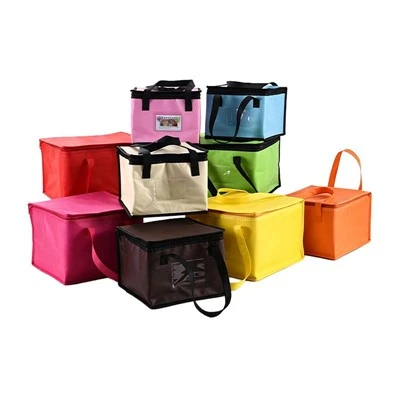
Let’s start with the basics: babies come with so much stuff, right? Diapers, wipes, bottles, extra clothes, teething toys, snacks, a change mat, and let’s not forget that random half-eaten granola bar that always ends up at the bottom of the bag. That’s a lot of weight, and a lot of items that need to stay clean, organized, and intact. When I was a new dad myself (my son is seven now, so I’ve lived through this phase), I tried a few different types of bags—disposable diaper bags that tore after a week, nylon bags that got sweaty and stinky, and finally a cotton bag from our workshop. It worked so well that I started carrying a spare for other parents at the playground. That personal experience is what first made me realize how many people underestimate cotton’s potential for baby essentials.
But let’s get past the nostalgia and into the actual science of cotton as a material for baby items. Not all cotton is created equal, by the way. The kind we use in our supply business is 100% organic, unbleached, and heavy-duty—we’re talking 12-ounce canvas-grade cotton, not the thin, flimsy cotton you’d use for a t-shirt. The reason this matters for baby stuff is twofold: durability and safety. First, organic cotton is free from harmful chemicals like pesticides and synthetic fertilizers, which is a big deal when you’re carrying items that might come into contact with a baby’s skin or mouth. Conventional cotton is one of the most chemically intensive crops in the world, with residues of insecticides that can linger on the fabric even after washing. That’s a problem if you’re putting a bottle, a teether, or a bib into a bag that’s been treated with those chemicals. Organic cotton eliminates that risk, making it a safe choice for baby items.
Then there’s the durability factor. Heavy-duty organic cotton can hold up to 20 pounds of weight without stretching or tearing—more than enough for a full diaper bag load. We’ve had clients who are daycares use our cotton bags to carry supplies for up to 10 kids, and after six months of weekly washing, the bags still look good. Compare that to many synthetic bags, which can develop tears at the seams after just a few months of use, or thin cotton bags that stretch out of shape after a few heavy loads. The key is choosing a tightly woven cotton, which is what we specialize in—our bags have a thread count that’s high enough to prevent small items like teething toys or snack crumbs from slipping through, but breathable enough that they don’t trap moisture, which is crucial for keeping wet wipes or a damp change mat from getting moldy.
Now, I know what some people might be thinking: cotton is hard to clean, right? Baby items get messy—spit-up, diaper blowouts, juice spills. How do you keep a cotton bag from getting stained and smelly? The truth is, it’s actually easier than cleaning many other types of bags. Synthetic bags can hold onto odors because they don’t breathe—they trap moisture and bacteria, which lead to that persistent stench. Cotton, on the other hand, is breathable, so it lets air circulate, which helps prevent odors from setting in. And when you do need to clean it, most heavy-duty cotton bags are machine-washable. You can toss them in with a load of regular laundry on a gentle cycle, and they’ll come out looking almost as good as new. For tough stains like fruit juice or formula, a little bit of mild detergent and a soft brush will get the job done without damaging the fabric. I always recommend to our clients that they air-dry their cotton bags instead of putting them in the dryer, because high heat can shrink the fabric over time. That’s a small step that makes a big difference in extending the life of the bag.
Another big consideration for parents is organization. Baby items are easy to misplace, especially when you’re rushing out the door with a fussy baby. Cotton bags are super versatile here—you can add pockets, dividers, or even custom labels to keep things sorted. We work with a lot of small baby brands that order custom cotton bags with internal pockets for bottles, wipes, and snacks, which makes them just as functional as a traditional diaper bag. Unlike bulky synthetic diaper bags, cotton bags are lightweight, so they don’t add extra weight to your load when you’re carrying them around all day. They also fold up small when you’re not using them, so you can keep a spare in your stroller or purse for last-minute trips to the park or grocery store.
But wait—are there any downsides to using a cotton bag for baby items? I won’t sugarcoat it. If you’re using a thin, cheap cotton bag, the answer is definitely no. Those flimsy bags can tear under weight, they might have chemical residues if they’re not organic, and they can take longer to dry if they get wet. Also, while cotton is breathable, it’s not completely waterproof. If you’re out in the rain and your bag gets soaked, the water will seep through, which could damage items like paper books or teething toys made of certain materials. That’s why we always recommend pairing a cotton baby bag with a small waterproof liner or keeping a foldable rain cover in your stroller—simple solutions that fix that minor issue without ditching the benefits of cotton.
Over the years, I’ve also talked to pediatricians who weigh in on this, and their advice lines up with what we see from our customers. Dr. Lisa Marquez, a pediatrician I worked with at a local children’s hospital, told me that one of the biggest risks for babies is exposure to harsh chemicals from synthetic products. “Babies put everything in their mouths,” she said. “Using organic cotton bags that don’t have chemical residues is a simple way to reduce that exposure. They’re also easy to clean, so you can keep them hygienic without using harsh cleaners that might bother a baby’s sensitive skin.” That’s the kind of real-world, expert input that makes me confident in cotton as a choice for baby items.
Now, let’s talk about the environmental angle, which is something that matters a lot to the parents I work with. The average parent goes through hundreds of single-use plastic bags a year for errands, and traditional diaper bags often end up in landfills because they’re made of non-recyclable materials. Cotton bags, especially organic ones, are biodegradable—if they do end up in a landfill, they’ll break down naturally without leaving toxic residues. They’re also reusable for years, so you’re cutting down on waste every time you use one. When my son was a baby, I used that same cotton bag for his diapers, and now it’s used to carry his soccer gear and his school books. That’s a product that’s grown with our family, which is way better for the planet than a disposable plastic bag that’s used once and thrown away.
I’ve seen firsthand how a good cotton bag can change a parent’s routine. A mom I met at a local baby expo told me that she used to forget her diaper bag all the time because it was bulky and heavy, but her custom cotton bag from our company is lightweight enough that she keeps it by the door, ready to grab for any outing. Another dad who runs a small daycare told me that switching to our cotton bags for their supplies cut their annual waste of plastic bags by 80%, and the parents of the kids commented that the bags smelled fresh even after being used all week. These are the stories that make all the work we do in our supply business worth it.
So, to circle back to the original question: Can I use a cotton bag for carrying baby items? The short answer is yes—if you choose the right kind of cotton bag. It needs to be heavy-duty, organic, tightly woven, and made specifically to handle the weight and mess of baby essentials. It’s not a replacement for every single bag you might use, but it’s a durable, safe, and eco-friendly option that works for most parents’ needs.
If you’re a parent looking to make the switch to cotton for your baby items, or if you’re a baby brand, daycare, or retailer that wants to offer earth-friendly solutions to your customers, we can help. Our supply business works with individuals and businesses to create custom cotton bags that fit your specific needs—whether you need a small bag for a day out or a large bag for daycare supplies. We only use 100% organic, heavy-duty cotton, so you can trust that our bags are safe for your baby and built to last. We can also add pockets, labels, and custom designs to make your bag even more functional for baby essentials.
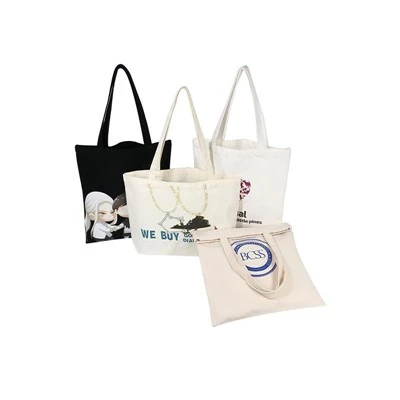
If you’re interested in learning more about our cotton bags for baby items, or if you’d like to discuss a custom order, reach out to our team. We’re here to help you find the perfect bag that works for your family or business, while also making a small difference for the planet—one cotton bag at a time.
RPET Bag References
- Organic Trade Association. (2022). Cotton and the Environment: The Benefits of Organic Cotton Production.
- American Academy of Pediatrics. (2021). Reusable Products for Child Care and Family Use.
- Textile Institute. (2020). Performance Characteristics of Heavy-Duty Cotton Fabrics for Reusable Bags.
- Environmental Protection Agency. (2023). Reducing Plastic Waste Through Reusable Product Adoption.
- Journal of Pediatric Health Care. (2019). Chemical Exposure Risks from Textiles in Household and Child Care Settings.
Wenzhou Hangyi Packing Co., Ltd.
As one of the most professional cotton bag manufacturers and suppliers in China, we also support customized service. Please rest assured to wholesale bulk durable cotton bag in stock here from our factory. If you have any enquiry about pricelist, please feel free to email us.
Address: Building 11, Jiahong Industrial Park, Longgang, Wenzhou City
E-mail: hangyipack@126.com
WebSite: https://www.hangyipack.com/
