If you’ve ever worked in mining, tunneling, or rock drilling operations, you know air legs (also called jackhammers or pneumatic rock drills) are the workhorses that get heavy, high-impact tasks done. As someone who’s spent 12 years as an air leg supplier—watching contractors, mining crews, and construction teams navigate these tools on job sites across North America—I’ve seen both the game-changing difference a well-maintained, properly operated air leg makes and the preventable injuries that happen when safety steps are skipped. Last year, I sat across from a 38-year-old driller from West Virginia who tore his rotator cuff because he leaned too hard into a misaligned air leg; he’d skipped checking the air hose connections before his shift, and the drill lurched when a leak suddenly forced pressure to spike. That story stuck with me, which is why I’ve built our entire supplier approach around not just selling quality air legs, but arming teams with the knowledge to use them safely. Below, I’m breaking down the critical precautions every operator, supervisor, and even site manager should take—things I’ve learned from decades of on-site feedback, training sessions, and fixing tools that were damaged by avoidable mistakes. Air Leg
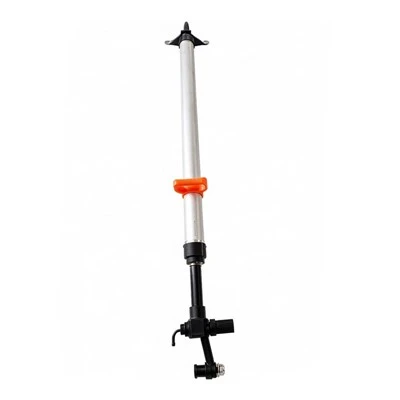
First, before you even power up the air leg, there are non-negotiable pre-use checks that take less than five minutes but can save you from disaster. Let’s start with the most obvious (and most overlooked) part: the air supply. Air legs run on compressed air, usually between 90 and 125 PSI, but many operators use the wrong regulator settings, or skip testing the hose for leaks. Last month, a mid-sized construction team called our service line because their new air leg wouldn’t maintain consistent pressure; when our technician arrived, he found a split in a hose connector that the crew had taped over with duct tape, not replaced. Duct tape doesn’t hold up to repetitive pressure and abrasion—our tech swapped the hose in 10 minutes, but warned the crew that a sudden hose blowout could hit someone with enough force to break bones or knock them off a ladder. So for pre-use checks: first, turn off the air supply and disconnect the hose, then inspect it for cuts, frays, or kinks. Run your hand along the entire length of the hose to feel for soft spots, which mean internal damage. Next, test all connections—hose to air leg, hose to regulator, regulator to air compressor—to make sure they’re tight and free of debris (even a tiny bit of dirt can create a leak over time). If you hear a hissing sound when you turn the air back on, don’t ignore it—that’s a leak that will drop pressure and make the drill kick unexpectedly. Also, check the air filter on the compressor: dirty filters can send dust and debris into the air leg’s internal parts, causing corrosion or misalignment, which makes the drill harder to control. And don’t forget to verify the PSI rating for your specific air leg—we include a printed sticker on every unit that lists the required pressure, and I can’t tell you how many times I’ve seen operators use 150 PSI on a unit rated for 110, which overheats the piston and wears out parts 10 times faster.
Next, personal protective equipment (PPE) isn’t a suggestion—it’s non-negotiable, and I’ve seen operators cut corners here too, with life-altering results. Let’s start with hearing protection: air legs are insanely loud, averaging 110 to 120 decibels. For context, prolonged exposure to 85 decibels can cause permanent hearing loss, and 120 decibels is as loud as a jet takeoff 100 feet away. The driller from that West Virginia story I mentioned earlier now wears ear muffs instead of foam ear plugs, because he still has a high-pitched ring in his left ear three years after his injury. We recommend double protection: foam ear plugs plus over-ear muffs, if your site allows it. Then there’s eye protection: rock dust, metal shavings, and debris fly everywhere when you drill, and even a small piece of grit in your eye can cause corneal abrasion that takes weeks to heal. Safety goggles (or face shields, if you’re working at a height) that meet ANSI Z87.1 standards are a must—no prescription glasses with side shields, those don’t block enough debris. For gloves, avoid loose fabric gloves or gloves with frayed cuffs; they can get caught in the moving parts of the air leg. Use heavy-duty, cut-resistant leather gloves that fit snugly, so you maintain grip without sacrificing mobility. And if you’re working in cold weather, make sure your gloves aren’t so thick that they make controlling the drill handle difficult—chilled fingers lose dexterity, which leads to mistakes. Finally, steel-toe boots are a given, but I always mention this: wear boots with slip-resistant soles, because site floors can get wet with water or oil from the compressor, and a slippery boot next to a heavy air leg is a recipe for a crushed foot.
Once you’re ready to operate the air leg, there are technique-based precautions that even experienced drillers sometimes skip, and they’re just as important as pre-use checks. First, don’t stand directly in the line of fire of the drill bit. When you start drilling, the bit will sometimes kick back if it catches on a rock or a hidden piece of rebar, so position your body at a 45-degree angle to the drill’s axis, not straight behind it. That way, if the lurch happens, you don’t get pushed directly into a wall or another operator. Second, maintain a stable stance: keep your feet shoulder-width apart, and brace your core so you’re not leaning your entire weight into the drill. A lot of operators think harder pressure means faster drilling, but that’s not true—let the air leg and the drill bit do the work. Pushing too hard strains your back, shoulders, and arms, and can cause the drill bit to dull faster, which leads to more kickback. I tell every operator I work with to apply gentle, consistent pressure, and adjust only if the drill starts to slow down or stall. Third, never leave a running air leg unattended. Last year, a site manager left his air leg running for five minutes to go get a water bottle, and when he came back, the drill bit had dug into the concrete floor, started vibrating violently, and shattered a nearby cinder block. If you need to step away, turn off the air supply, disconnect the hose, and set the drill down on a flat, stable surface—never hang it on a hook while it’s running, that’s a surefire way to get a cut or broken part. Also, when you’re changing drill bits, make sure the air supply is completely turned off and disconnected. Drill bits get extremely hot after use, so use a heat-resistant glove or a wrench to loosen the chuck, and make sure the bit is seated firmly before you reattach the air hose. A loose bit can fly off at high speed, which is a major hazard for anyone nearby.
Maintenance is another area where I see teams cutting corners, and it’s not just about keeping the air leg running—it’s about safety. Our team trains every new customer on a simple daily maintenance routine, and we provide a free pocket guide with every unit to make it easy. After each shift, drain the air compressor’s moisture trap: water buildup in the air line can get into the air leg, cause rust, and make the drill sputter or lurch unexpectedly. We recommend draining the trap at the end of every shift, or more often if you’re working in high-humidity environments. Also, lubricate the air leg’s moving parts as directed in the manual—we use a food-grade, pneumatic oil for all our units, and adding a few drops to the air inlet before each shift keeps the piston and chuck moving smoothly. Skipping lubrication causes friction, which makes the drill harder to control and can lead to internal parts seizing up mid-use. For weekly maintenance, check the drill bit for wear: a dull bit requires more pressure to drill, which increases kickback risk, and can cause the air leg to overwork. Sharpen or replace bits when they show signs of chipping, flat edges, or reduced drilling speed. Also, inspect the air leg’s frame for cracks: repeated impact can weaken the metal, and a cracked frame can break mid-operation, sending parts flying. If you notice any damage to the frame, hose, or internal parts, don’t use the air leg—send it to a certified technician for repair, or reach out to our team to get a replacement part, we keep a large inventory on hand so downtime is minimal.
I also want to talk about site-specific safety, because no two job sites are the same. If you’re working in a confined space like a mine tunnel or a basement excavation, there are extra precautions. First, make sure the space is properly ventilated: the air leg releases exhaust, and working in a small, enclosed area can lead to carbon monoxide buildup, which is toxic. We recommend using a portable air scrubber in confined spaces to keep air quality at safe levels. Also, have a spotter on hand if you’re working in a confined space—someone who can monitor your equipment and alert you if something goes wrong, since visibility is often limited in tunnels or basements. If you’re working at height, like on a scaffold or a ladder, never use an air leg that’s too heavy for you to control at that height. We offer lightweight, 30-pound air legs for climbing operations, because they’re easier to maneuver and reduce the risk of falling if you lose grip. Always secure your air leg when moving between floors or to different parts of the site—never carry a running air leg, and make sure it’s strapped to your body or a tool belt so you don’t drop it.
Finally, training is the most crucial precaution of all. No matter how good the air leg is, or how many safety rules you have, if an operator doesn’t understand how to use the tool correctly, accidents will happen. That’s why our company offers free on-site training for every new customer—we bring our own demo units, walk operators through pre-use checks, operation techniques, maintenance, and emergency procedures, and let them practice on a test slab before they use the drill on a real job. We also offer regular refreshers, because job sites turn over crews, and even experienced operators can benefit from a quick review. Last quarter, we trained a crew of 12 operators who had been using air legs for an average of 8 years; one of them told me he’d been leaning too hard into his drill for his entire career, and he’d never realized he was increasing his injury risk so much. That’s the kind of education that sticks, and that’s what we’re passionate about providing as a supplier. I always tell my customers that selling an air leg isn’t a one-time transaction—it’s a partnership, and part of that partnership is making sure their team goes home safe every night.

If you’re a site manager, a drill operator, or someone in charge of equipment purchasing, and you want to learn more about our line of air legs, or get a quote, or schedule safety training for your crew, don’t hesitate to reach out to us. We work with small construction teams and large mining operations alike, and we’re here to help you get the job done safely and efficiently. No job is worth risking a preventable injury, and with the right precautions and the right equipment, you can keep your team safe while meeting your project deadlines.
Casing Tube References
- Occupational Safety and Health Administration (OSHA). 2023. Pneumatic Tool Safety Standards for Construction and Mining. U.S. Department of Labor.
- National Institute for Occupational Safety and Health (NIOSH). 2022. Hazard Control for Rock Drilling Operations: Preventing Musculoskeletal Injuries and Hearing Loss. Centers for Disease Control and Prevention.
- Air Leg Manufacturers Association. 2021. Operator Safety and Maintenance Guidelines for Pneumatic Rock Drills. International Association of Construction Equipment Manufacturers.
- American National Standards Institute (ANSI). 2020. Safety Requirements for Personal Protective Equipment for Industrial Workers (Z87.1-2020). ANSI.
- Mine Safety and Health Administration (MSHA). 2022. Safe Operation of Pneumatic Drills in Underground Mining. U.S. Department of Labor.
Quzhou Shenjian Machinery Factory
As one of the most professional air leg manufacturers and suppliers in China, we’re featured by quality products and good service. Please rest assured to wholesale customized air leg from our factory. Also, quotation is available.
Address: No. 42 Bingang Middle Road, Quzhou City, Zhejiang Province
E-mail: 107467114@qq.com
WebSite: https://www.shenjianmach.com/
