Hey there, thanks for stopping by! If you’re scrolling this, chances are you’ve stared at a pile of duvet covers online (or in a store) and thought, “Wait, is this actually worth my money?” As a duvet cover supplier, I’ve had so many customers ask me this—whether they’re ordering for their own shop, stocking up for their home, or figuring out what to tell their own buyers. I get it—duvet covers aren’t just pretty fabric to wrap your comforter in. They take a beating: you yank them on and off weekly, toss them in the wash all the time, and sometimes spill coffee (no judgment, I’ve been there). So how do you spot a good one from a mile away? Let’s break this down like I chat with my regular buyers—no fancy jargon, just stuff that actually matters. Duvet Cover
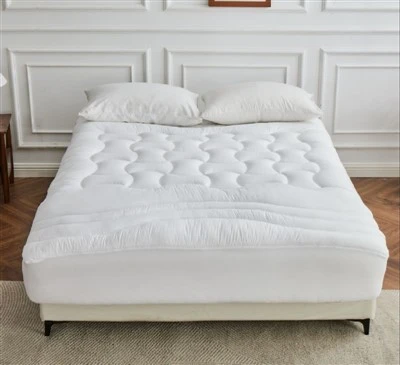
First off, let’s talk fabric—this is the foundation, right? I can’t tell you how many times a customer has come back saying their “soft” duvet cover turned rough after one wash. It’s not just the fiber, it’s how that fiber’s spun. Let’s start with the big ones: cotton is still the most popular, and for good reason. But not all cotton is created equal. If you see “combed cotton” on the tag, that’s a green flag. Combed cotton means they removed all the short, loose fibers during processing—so less pilling, which is basically those little fuzz balls that make your cover look old after a month. Next up, Egyptian cotton? Wait, hold on—don’t fall for every “Egyptian cotton” label. Most of the time, that’s just regular cotton with a fancy name. Real Egyptian cotton uses longer staple fibers (think: longer strands, stronger), so it’s softer and more durable than short-staple cotton. If you’re looking for something a little different, linen’s huge right now too. But linen gets better with every wash, not worse. A lot of newbies think a stiff linen cover is low quality—nope, that’s just how linen is straight off the bolt. It’ll soften after 2-3 washes, so don’t write it off right away.
Then there’s thread count—oh man, this is a common mistake. I’ve had buyers fixate on 1000 thread count like it’s the be-all-end-all, but that’s not always the case. Thread count is how many threads are woven per square inch, but some companies “ply” threads (twisting multiple thin threads into one thick one) to jack up the number. A 400 thread count with single-ply, high-quality cotton is way softer and more durable than a 1000 thread count that’s plied cheap. I usually tell people: stick to 200-400 for everyday cotton duvet covers. That sweet spot is soft, doesn’t feel heavy, and stands up to washes without fading. Anything over 400? Only go for it if it’s single-ply—else, you’re just paying for a number.
Next, how it’s woven. That’s another thing most people miss. The two main weaves for duvet covers are percale and sateen. Let’s keep it simple: percale is a plain, crisscross weave. It’s matte, crisp, cool to the touch, and gets softer over time. It’s super durable—great if you wash your cover a lot, or if you tend to run hot at night. Sateen is a weave that uses more warp threads (the ones that run lengthwise) so it’s shinier, silkier, and feels a little smoother. But here’s the catch: sateen has a higher thread count usually, but it’s more prone to stretching and pilling, especially if it’s low quality. I tell buyers: if you want something low-maintenance that lasts, go percale. If you love that luxe, silky feel and don’t mind being a little gentler with it (no rough zippers, no over-stretching), sateen’s fine. Avoid twill weaves for duvet covers, by the way—they’re stiffer and more likely to wrinkle, not ideal for something you’ll sleep in.
Now, let’s get to the details that matter, the stuff that separates a $20 duvet cover from an $80 one. First, closures. This is so important—how many times have you spent 10 minutes fumbling with tiny buttons at 10 PM, only for one to pop off in the middle of the night? A good duvet cover should have a durable closure. The best ones are metal zippers—they glide, don’t break, and won’t come undone. Avoid plastic zippers at all costs; they snap after a few washes, especially if you wash them hot. If a cover uses buttons, make sure they’re mother-of-pearl or resin (not cheap plastic that cracks) and sewn on with double or triple threads. Some cheaper covers use a simple stitch for buttons—one wash and they’re gone. Also, check the inside of the closure: some brands hide buttons or zippers behind a flap, which keeps them from catching on your comforter. That’s a small detail, but it makes a huge difference in daily use.
Then there’s stitching. Run your finger along the seams. They should be tight, even, no loose threads. If you see uneven stitches or gaps, that’s a red flag—those seams will unravel after a few washes. Also, look for reinforced stitching around the closure and the corners. Good duvet covers have corner ties—little fabric loops inside the corners that tie to your comforter’s corners. That keeps your comforter from shifting around inside the cover, which is annoying. A lot of cheap brands skip these ties, or just use one flimsy tie that breaks. If you see corner ties, make sure they’re sewn tightly to both the cover and the comforter-side fabric, not just tacked on.
What about color and fading? No one wants a duvet cover that goes from navy to pale blue after one wash. Good quality duvet covers use reactive dye or pigment dye, not cheap, low-quality dye that runs. Reactive dye soaks into the fabric, so it doesn’t wash out, and the color stays bright for years. A quick test: if you’re buying in a store, gently rub a damp white cloth on a hidden part of the cover (like the inside hem). If any dye comes off on the cloth, it’s low quality—avoid it. If you’re buying online, check the reviews. If multiple people mention “color fading after 2 washes,” that’s a hard pass. Also, avoid covers that are too bright out of the gate—often, overly vibrant colors use more dye that’s not properly set, so they fade faster.
Now, let’s talk about how it feels in your hand. I know, you can’t touch it online, but there are clues. If a cover feels scratchy or stiff right off the bat, even if it says “100% cotton,” that’s probably short-staple cotton or a blend with cheap polyester. Good quality duvet covers will feel soft, even a little silky (if it’s sateen) or crisp (if it’s percale) right out of the package. They shouldn’t have that chemical smell—if it smells like strong detergent or plastic, that’s a sign they used harsh finishes to make it look soft, which will wash out and leave it scratchy. Always check the care label too. A good cover will have simple care: machine washable, no dry clean only (that’s a pain for regular use). Avoid covers that say “no bleach” and line dry only—unless it’s linen, which is supposed to line dry, but most cotton duvet covers can handle machine drying on low heat.
Wait, let’s bust a few common myths here. First, “100% cotton is always best.” Yeah, but a 100% cotton cover made with short-staple cotton is worse than a 60% cotton / 40% polyester blend with good stitching and a high-quality weave. The blend might be more durable, less prone to wrinkling, and cheaper without being low quality. The key is to not fixate on the fiber alone—look at the full package. Another myth: “linen is high maintenance.” True, it wrinkles, but that’s part of its charm, and as long as you wash it on gentle, line dry or tumble on low, it’ll last for years. A lot of people think a wrinkly linen cover is low quality, but it’s actually a sign it’s real linen.
What about for business buyers, since a lot of my customers are retailers or hotel owners? If you’re ordering in bulk, there are a few extra things to check. First, ask for a sample batch. Don’t just take the brand’s word for it—run the tests I mentioned: check fabric, stitching, closures, dye. Also, ask about OEKO-TEX certification. That’s a third-party certification that means the fabric is free of harmful chemicals, which is big for customers who care about sustainability and safety. A lot of good suppliers will have that, and if they don’t, that’s a red flag. Also, turnaround time—if a supplier says they can ship 10,000 duvet covers in a week, that’s probably because they’re using mass-produced, low-quality fabric. Good quality takes time to weave and finish, so realistic turnaround is 2-4 weeks for bulk orders.
Now, let’s talk about wear and tear over time. A good duvet cover should last 5-10 years, right? I’ve had customers tell me their covers from my shop have lasted 7 years and are still going strong. How can you spot that before buying? Look for reviews that mention “no pilling after 6 months,” “still bright color after a year,” “comforter doesn’t shift.” If most reviews are positive about durability, that’s a good sign. Also, avoid covers that are super cheap—if a duvet cover is $15, it’s almost certainly low quality. The material and labor to make a good one are worth at least $30-$40, so anything less is cutting corners.
Wait, one last small detail: the inner fabric. A lot of people don’t think about this, but the inside of the duvet cover (the part that touches your comforter) should be the same or similar fabric to the outside, not a cheap thin polyester. If you run your finger along the inside and it feels rough or scratchy, that’s a sign they used a cheap inner fabric to cut costs. A good inner fabric should be soft so it doesn’t catch on your comforter or feel weird against your blankets.
So to wrap this up, here’s your quick checklist:
- Fabric: Combed cotton (or linen) with long staple fibers—avoid cheap “Egyptian cotton” labels without proof.
- Thread count: 200-400 for single-ply; don’t fall for over 400 unless it’s single-ply.
- Weave: Percale for durability, sateen for softness (just be gentle with it).
- Details: Metal zipper (or tight, mother-of-pearl buttons), even reinforced stitching, corner ties.
- Color: No dye transfer when you test a hidden spot, good reviews about color fading.
- Feel: No chemical smell, soft right out of the package, no scratchy inner fabric.
- Bulk checks: OEKO-TEX certification, sample availability, realistic turnaround.
If you’re a retailer looking to restock, or someone who wants to buy quality duvet covers for your home, don’t stress about picking the perfect one overnight. The biggest tip is to skip the super cheap options and look for suppliers that stand behind their products. I stand by all the duvet covers we make, and I know other good suppliers do too. If you’re ready to talk more about bulk orders, or just have questions about specific fabrics, hit me up—no awkward formalities, just let me know what you need.
References
Pillow Textile Institute. (2022). Guide to Textile Quality Standards for Home Textiles. British Standards Institution.
American Cleaning Institute. (2021). Care Labels and Fabric Durability in Home Bedding. International Textile and Apparel Association.
OEKO-TEX Association. (2023). STANDARD 100 Certification Criteria for Bedding Fabrics. OEKO-TEX International.
Hangzhou Ruiyi Home Products Co., Ltd.
With abundant experience, we are one of the most professional duvet cover manufacturers and suppliers in China. We warmly welcome you to wholesale customized duvet cover at competitive price from our factory. If you have any enquiry about cooperation, please feel free to email us.
Address: BUILDING 1, NO.1757 CHENHUI ROAD, XINTANG STREET ,XIAOSHAN,HANGZHOU, ZHEJIANG,P.R. CHINA
E-mail: vivian-xu@vip.163.com
WebSite: https://www.ryhometextile.com/
