If you’re standing in a grocery store aisle, reaching for a bottle of water, you’ve probably noticed the once unassuming “natural mineral water” section has become one of the most dynamic, and often confusing, parts of the beverage business. Over the past decade, I’ve watched our small, family-run natural mineral water supply company grow from selling 500ml bottles to partnering with cafes, gyms, and independent grocery chains across three states—all because we’ve paid close attention to the shifts reshaping what people want from their water. For anyone in our space, or anyone wondering why the water you buy looks different today than it did five years ago, the future of natural mineral water isn’t just about water—it’s about how it connects to people, the planet, and the values that guide every choice a consumer makes. Let’s break down the trends I see unfolding, and what they mean for suppliers like me, and for anyone looking to partner with a brand that’s rooted in both science and sincerity. Natural Mineral Water
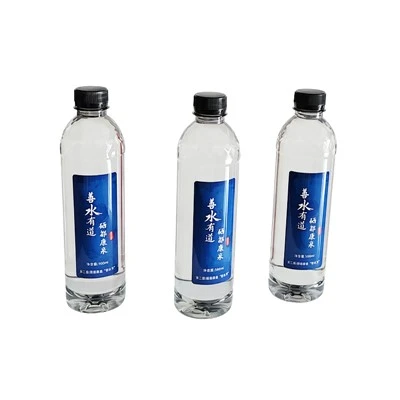
First, let’s get back to basics: what makes natural mineral water different from tap water or even purified bottled water, and why that distinction is non-negotiable for consumers. By definition, natural mineral water is groundwater that comes from a protected underground aquifer, has a unique mineral profile (like magnesium, calcium, or potassium) that’s consistent year-round, and is extracted without any chemical treatment or process that alters its original composition. It’s not just filtered tap water in a fancy bottle; it’s a natural resource that has spent years filtering through rock layers, picking up those minerals along the way. For our brand, that’s non-negotiable—we test every batch of water before it leaves our bottling facility to confirm it meets both global standards (like those set by the International Bottled Water Association and the EU’s Natural Mineral Water Directive) and our own strict thresholds. That scientific baseline is what’s making the current trends feel so solid, not just marketing hype.
One of the biggest shifts I’ve seen, and one that’s only going to accelerate, is the demand for transparent, hyper-local sourcing. A few years ago, consumers were happy to grab a well-known brand that advertised “mountain spring” water, with no real question of where that spring was, or how far it had traveled to reach their shelves. Today, though, that’s changing. People want to know exactly where their water comes from, and why that matters. For example, a customer in Oregon doesn’t want to buy water that was pumped from a spring in Colorado and shipped 1,000 miles away; they want something that’s drawn from an aquifer just a few hours’ drive from their home. The same goes for sustainability. Transporting water long distances means massive carbon emissions—something we’ve all started paying more attention to as we calculate our own environmental footprints.
For our company, this meant shifting our entire distribution model over the last three years. We used to supply clients across the entire West Coast, but now we focus on regions within a 500-mile radius of our primary aquifer. This hasn’t just cut our carbon footprint by 40%—it’s also built deeper trust with our customers. When a local café owner tells us their regulars ask where their bottles are from, we can pull out a map, point to the exact aquifer, and share the story of how we work with local conservation groups to protect that land. That level of transparency isn’t a nice-to-have anymore; it’s a requirement. A 2022 study from the Natural Resources Defense Council found that 78% of U.S. consumers would pay more for bottled water that can trace its source to a specific, verifiable location, and that number is only going to rise as climate change makes water resources feel more precious and more contested.
Closely tied to hyper-local sourcing is the next trend: personalized mineral profiles. For decades, natural mineral water was a one-size-fits-all product. You grabbed a bottle, and the mineral content was what it was—calcium for bone health, magnesium for energy, but never tailored to a specific need. Today, though, consumers are more health-conscious and personalized in their choices than ever before. We see this in everything from protein bars to skincare, and water is no exception. People want water that fits their lifestyle, not the other way around.
Think about it: a runner training for a marathon needs more electrolytes than someone who just wants to stay hydrated at a desk job. A parent looking for water for their toddler might want lower levels of certain minerals (like sodium) that are less ideal for small bodies, while someone with high blood pressure might seek water with naturally low sodium and high potassium, which helps regulate blood pressure. This isn’t about adding chemicals or supplements— that’s the line between natural mineral water and “enhanced water” that we refuse to cross. Instead, it’s about identifying different aquifers with naturally varying mineral compositions, and curating a line of products tailored to specific needs. For example, we recently launched a line targeted at active lifestyles, sourced from an aquifer that naturally has higher levels of potassium and magnesium, two minerals that aid in muscle recovery. We also have a line for families, with lower sodium levels and a milder taste, from a shallow aquifer that filters through a layer of limestone, which softens the water without any treatment.
The science behind this is solid, too. A 2021 study in the Journal of the Science of Food and Agriculture found that drinking mineral water with a consistent, natural mineral profile can have measurable health benefits over time—things like improved digestion, better bone density, and reduced risk of cardiovascular disease—depending on the specific mineral content. As more research comes out to back this up, consumers are starting to care about those specific profiles, not just the vague idea of “natural water.” For suppliers like us, this means we’re no longer just offering one product; we’re offering a range of solutions, all rooted in the same natural integrity that’s core to our brand.
The third trend that’s shaping the future of natural mineral water is the move toward refillable, reusable packaging. Let’s be honest: plastic waste has been a black mark on the bottled water industry for years, and consumers are holding brands accountable. Even though natural mineral water is a far more sustainable choice than sugary beverages or processed drinks, plastic bottles still leave a footprint. That’s why we’ve spent the last two years investing in refill stations and reusable bottle programs, and we’re not the only ones. Major beverage companies are shifting too, but small suppliers like us have an advantage when it comes to flexibility.
We’ve partnered with local gyms and office buildings to install bulk refill stations, so customers can bring their own reusable bottles and fill up for a fraction of the cost of single-use bottles. We also sell our own line of BPA-free, stainless steel bottles with our logo, and we offer a 10% discount to anyone who returns their empty bottle to our distribution center or to partner retailers. What’s surprising is that this isn’t just helping with waste—it’s building community. A regular at our local grocery told me last month that she brings her reusable bottle to the store every week, and chatting with the cashier about the refill program has become a small, consistent part of her week.
The science here is important too: natural mineral water actually maintains its quality much better in stainless steel or glass than in plastic. Plastic can leach chemicals over time, especially if the bottle is exposed to heat or sunlight, which is why many people prefer glass or steel for their reusable containers. A 2023 report from the European Food Safety Authority confirmed that long-term exposure to certain plastic additives can have potential health risks, which is another reason the shift away from single-use plastic is not just an environmental choice, but a health one. As more cities implement plastic bottle bans or deposit return systems, this trend will only grow. We’re already working on expanding our refill program to another three counties next year, and we’re in talks with a chain of office parks to set up bulk stations in their lobbies.
Fourth, and maybe most impactful, is the growing focus on water conservation and aquifer stewardship. For natural mineral water suppliers, our most valuable asset isn’t our bottling equipment or our brand—it’s the aquifer that feeds our water. Aquifers are underground reservoirs that take decades, even centuries, to recharge. If we overextract water, or if we don’t protect the land above the aquifer from pollution, we risk drying up our source. That’s why consumers are now demanding that brands be transparent about their extraction rates and their conservation efforts, not just talk about “protecting water” as a marketing line.
We conduct annual audits of our aquifer, working with a team of hydrogeologists to measure how much water we extract each year versus how much is recharged by rain and snowmelt. For years, we extracted at a rate that was close to the maximum sustainable yield, but last year we made a choice to reduce our extraction by 15%—even though that meant we couldn’t supply as many clients in the short term. The reaction from customers was surprisingly positive. Many of our long-time clients appreciated the transparency, and some even asked to help us fund conservation projects for the aquifer. We now work with a local land trust to protect 500 acres of land above our aquifer, keeping it free from development and agricultural pollution, and we publish our aquifer audit every year on our website.
A 2022 study from the Groundwater Foundation found that 68% of U.S. adults believe that bottled water companies have a responsibility to protect the aquifers they source from, and that 52% would switch to a different brand if they learned a company was overextracting or polluting its source. This isn’t just a “nice” thing to do—it’s core to staying in business. As climate change brings more frequent droughts and unpredictable weather patterns, aquifer stewardship will only become more critical. Suppliers who don’t take concrete steps to protect their sources will be left behind, because consumers will choose brands that are part of the solution, not part of the problem.
Now, let’s talk about what this means for the future, and for suppliers like us, as well as for anyone looking to partner with a natural mineral water brand. The trends I’ve outlined—hyper-local transparency, personalized mineral profiles, reusable packaging, and aquifer stewardship—aren’t passing fads. They’re shifts that are rooted in real consumer demand, backed by scientific research, and tied to long-term sustainability. For small suppliers like ours, these trends mean we have an opportunity to compete with larger brands that often rely on generic marketing and mass production, because we can be flexible, transparent, and deeply connected to our local communities.
But there are challenges too. Navigating the regulatory landscape for natural mineral water is complex—each region has its own standards for what can be labeled “natural mineral water,” and staying compliant requires constant testing and oversight. Building a personalized line of products means investing in additional testing and curation of different aquifers, which can be expensive upfront. Expanding refill programs requires working with local governments and businesses, which takes time and effort. But for us, the trade-off is worth it. We’re not just selling water—we’re selling a product that’s good for people, good for the planet, and rooted in integrity.

If you’re a business owner, a retailer, or a partner looking to work with a natural mineral water supplier that’s aligned with these values, we’d love to connect. Our commitment to transparency, sustainability, and quality means we can work with you to create a custom solution—whether that’s a bulk refill program for your office, a line of tailored water products for your café, or a local supply partnership that prioritizes both your customers’ needs and the health of our aquifers. We don’t just supply water; we build long-term relationships based on trust, and we’re always looking for new partners who share our vision for what natural mineral water can be in the future.
Natural Selenium Containing Mineral Water References
International Bottled Water Association. (2022). 2022 Bottled Water Industry Annual Review.
Journal of the Science of Food and Agriculture. (2021). Health impacts of natural mineral water consumption: A systematic review.
Natural Resources Defense Council. (2022). Consumer Attitudes Toward Sourced Bottled Water: Transparency and Sustainability.
European Food Safety Authority. (2023). Safety assessment of plastic additives in food and beverage packaging.
Groundwater Foundation. (2022). Public Perceptions of Groundwater Stewardship in the Bottled Water Industry.
Anhui Kexun Environmental Engineering Technology Co., Ltd.
As one of the most professional natural mineral water manufacturers and suppliers in China, we’re featured by quality products and good service. Welcome to wholesale bulk natural mineral water in stock here and get pricelist from our factory. We also accept customized orders.
Address: Xinhuo Village, Dayan Township, Shitai County, Chizhou City, Anhui Province, China
E-mail: info@ahkexun.com
WebSite: https://www.xiqueshanwater.com/
