If you’ve found yourself here, you’re probably working on a project that calls for other labels—you know, the ones that aren’t the standard product tags, packaging stickers, or barcodes you see on every retail shelf. For years, I’ve supplied these “other labels” to small-batch manufacturers, craft brands, and even industrial operations that need solutions that don’t fit the usual label categories, and one of the most common questions I get is: “Can you give examples of other labels similar to this one?” Other Labels
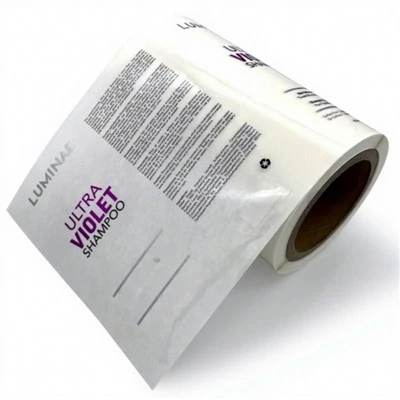
First, let’s clarify what I mean when I say “other labels” to avoid confusion. These are labels designed for niche, high-stakes, or non-consumer-facing applications where standard labels (think price tags, UPC barcodes, or ingredient lists) fall short. They’re not random—each is engineered for a specific job that regular labels aren’t built to handle. Over the years, I’ve worked with hundreds of clients across industries, and I’ve seen countless use cases that fall into this “other labels” umbrella. Below, I’ll break down the most common, practical examples of similar other labels that I supply, along with why they matter, and how they fit into different operations.
Let’s start with industrial asset labels—this is one of the largest segments of other labels I work with, and it’s often misunderstood. Most people don’t realize that when a factory, logistics company, or construction firm tracks heavy machinery, tools, or infrastructure, they use labels that aren’t meant for products, people, or packages. These labels are built to survive extreme conditions: temperatures ranging from -40°F to 180°F, exposure to oil, chemicals, UV light, and even abrasion from heavy use. A standard label would peel off a construction crane after a few months of outdoor exposure, but my industrial asset labels are made with a heavy-duty vinyl or polyester stock and a permanent, chemical-resistant adhesive. Clients use these to track everything from HVAC units in office buildings to forklifts in warehouses to pipeline valves in remote oil fields. Some even have small RFID chips embedded, so teams can scan them from 10 feet away without having to read a tiny barcode. This is a perfect example of an “other label” because it has nothing to do with consumer-facing labeling—it’s about operational management and asset longevity.
Next, there are hazardous material (HazMat) labels, which are another core category of other labels that I supply, and they’re strictly regulated by global safety agencies like OSHA, GHS, and IATA. If you work in chemical manufacturing, waste management, or shipping dangerous goods, you can’t use a standard label here—even a misprinted label can lead to fines, accidents, or shipping delays. HazMat labels aren’t just stickers; they’re color-coded, standardized (though they have specific sub-types depending on the hazard: flammable, toxic, corrosive, etc.), and printed on tear-resistant, waterproof stock that can’t be easily destroyed. For example, a client of mine that runs a medical waste disposal company needed labels to mark biohazard bins that get shipped across the country. We custom-printed their labels with the required biohazard symbol, a unique ID number, and a small tear-off section for compliance records—something a generic printer can’t handle because they don’t have access to the official HazMat symbol standards. This is another clear “other label” because its primary purpose isn’t branding or product identification—it’s legal compliance and life-saving safety.
Then there are custom asset identification labels for unique, small-batch products. I often work with craft distilleries, artisanal chocolate makers, and small apparel brands that need labels that go beyond basic branding. Wait, you might think—branding labels are standard, right? Not when it’s for a one-of-a-kind product or a limited edition run. For example, a small batch bourbon distillery might want a label that’s actually a tamper-evident seal that wraps around the bottle cap, so customers can tell if the bottle has been opened before purchase. That’s an other label, not a standard bottle label, because it serves a security purpose as much as a branding one. I also supply labels for custom woodworking shops that mark each piece of furniture with a unique serial number, not for pricing, but for warranty tracking. If a dining table they made has a defect 5 years later, they can scan the label (or even just read the serial number) and pull up the original order, materials, and installation details. These labels are different from standard retail labels because they’re built for traceability over years, not just a few weeks on a store shelf.
Another example of similar other labels are inventory control labels for cold storage and food processing. These labels have to survive extreme cold (down to -80°F for industrial freezers) and exposure to food-grade cleaning chemicals, which most standard labels can’t handle. A frozen food producer might use these to track pallets of salmon or ice cream as they move from the processing plant to the warehouse to the retailer. The labels have to stay stuck through months of freezing, defrosting, and re-freezing without peeling, and they need to be readable even when covered in frost. I once worked with a craft ice cream brand that needed labels for their pint containers that would stick through the freezer’s -10°F temperatures, not fall off when a customer left the ice cream out for 10 minutes. These aren’t the nutrition facts labels you see on most grocery store ice cream—those are thin, paper labels that would dissolve in cold and moisture. These are heavy-duty, freezer-grade other labels designed specifically for that harsh environment.
I also supply vehicle identification labels (VIN labels) for specialty vehicles and heavy equipment. These are different from the standard VIN labels you see on passenger cars—they’re made to be mounted on the frame of farm tractors, construction trucks, or recreational vehicles, and they have to resist rust, road salt, and corrosion. A farm equipment dealer might order these labels to replace a faded VIN plate on a 10-year-old tractor, because the original had worn away from years of being exposed to rain and mud. These labels have to meet government standards for vehicle identification, so they include the required serial number, manufacturer info, and even a small hologram to prevent counterfeiting. Again, this is an other label because it’s not about marketing or product packaging—it’s about legal identification and compliance for vehicles that aren’t sold in regular retail channels.
Now, you might be wondering: how do these labels differ from the “standard labels” people usually refer to (price tags, UPC barcodes, product labels)? The key difference is purpose and durability. Standard labels are designed for short-term use: a price tag might stay on a product for a few months before being removed at checkout; a product label is made to last until the product is opened, which is usually days or weeks. Other labels, on the other hand, are designed for long-term, high-stakes use: an industrial asset label might need to last 10 or 20 years; a HazMat label has to last for the entire lifecycle of a chemical shipment, which could involve transport, storage, and disposal over years. They’re also tailored to specific, often harsh environments that standard labels can’t survive.
I’ve learned over 15 years in this business that the biggest mistake people make when they’re looking for similar other labels is trying to use a standard label for a niche job. For example, a small logistics company once tried to use regular paper barcodes to track their delivery pallets, and after a month of being exposed to rain, the barcodes smudged and became unreadable. That cost them thousands in lost inventory because they couldn’t track where the pallets were. Another client, a chemical manufacturer, used a generic label on a drum of corrosive acid, and the label peeled off during transport, leading to a minor safety incident and a $10,000 OSHA fine. These are avoidable issues when you work with someone who understands what other labels are, and how to match the right label to the right use case.
Let me also touch on custom smart labels, which are a newer type of other label that’s growing in demand. These labels combine traditional label stock with small electronics: RFID chips, NFC tags, or even QR codes that link to digital information. For example, a vintage watch restoration shop might use a smart other label on each watch they repair, that links to a digital record of the repair work, the original owner’s info, and maintenance schedules. A wine auction house might use them on rare bottles, so buyers can scan the label to verify the bottle’s authenticity, origin, and age, which is crucial for high-value collectibles. These are “other labels” because their value isn’t just in the printed text or image—it’s in the digital functionality they add, which standard labels can’t provide.
When a client reaches out to me asking for examples of other labels similar to a specific one they have in mind, I always start by asking three questions: what environment will the label be in, how long does it need to last, and what information does it need to convey? If a client needs a label for a warehouse forklift that will be exposed to oil and weather for 15 years, I’ll recommend a heavy-duty polyester asset label with a tamper-proof adhesive. If they need a label for shipping batteries that are classified as hazardous, I’ll point them to our IATA-compliant HazMat labels that meet all shipping requirements. If they need a label that lets customers verify a product’s authenticity, I’ll show them our NFC-enabled smart labels.
I’ve worked with clients in every industry, from aerospace to veterinary medicine, and each has unique other label needs that don’t fit into the standard retail label category. A vet clinic might use other labels to track surgical tools, which need to be sterilized dozens of times a year without fading or peeling. A solar panel manufacturer might use other labels to mark each panel with a serial number, so they can track performance and warranty for 25 years, which is the typical lifespan of a solar panel. These aren’t afterthoughts—they’re critical to the operation, safety, and longevity of the businesses that use them.
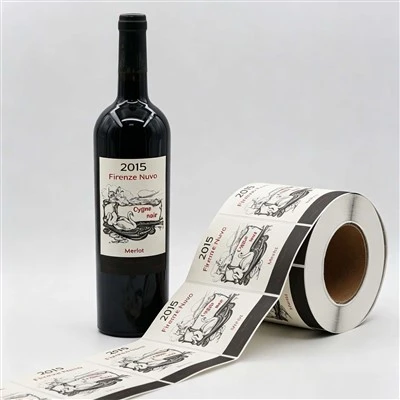
As an other labels supplier, my job isn’t just to print a sticker—it’s to understand the specific challenge a client is facing, and provide a label that solves that challenge. Whether that’s a label that survives 20 years in the desert, a label that meets strict OSHA safety standards, or a smart label that links to a digital database, the goal is the same: to create a solution that standard labels can’t provide. If you’re working on a project where a standard label just won’t cut it, and you’re looking for other labels that fit your specific needs, reach out to discuss your requirements. We can walk through examples, test different materials, and create a custom label that works for your application.
Food & Beverage Labels References:
- Occupational Safety and Health Administration (OSHA). Hazard Communication Standard: Label Requirements. U.S. Department of Labor, 2022.
- Global Harmonized System of Classification and Labelling of Chemicals (GHS). United Nations, 2019.
- International Air Transport Association (IATA). Dangerous Goods Regulations. IATA, 2023.
- National Fire Protection Association (NFPA). 704 Standard System for the Identification of the Hazards of Materials for Emergency Response. NFPA, 2021.
- Society of Manufacturing Engineers (SME). Durable Labeling for Industrial Asset Tracking. SME, 2020.
SpeedPrint Era (Xiamen) Digital Co., Ltd.
SpeedPrint Era (Xiamen) Digital Co., Ltd. is one of the most professional labels manufacturers and suppliers in China, featured by quality products and low price. Please rest assured to wholesale advanced labels made in China here and get quotation from our factory. We also accept customized orders.
Address: Floor 1, No. 27, Xianghong Road, Xiang’an District, 361101, Xiamen, Fujian, China
E-mail: hxmacka@gmail.com
WebSite: https://www.lumolabels.com/
