Hey there, fellow makers, metalworkers, and anyone who’s ever stared at a Tap Set on a workbench and wondered, “What the heck is this stuff even made of?” I’m gonna keep it real with you—when I first started selling tap sets, I had no clue how much goes into the materials that make these things actually work. Like, I thought metal was just metal, right? Spoiler alert: I was so wrong. Today, I wanna walk you through exactly what our tap sets are made of, why each material matters, and what you should actually look for when you’re out shopping for one (no matter if you’re a hobbyist tinkering in your garage or a pro running a shop that cranks out parts all day). Tap Set
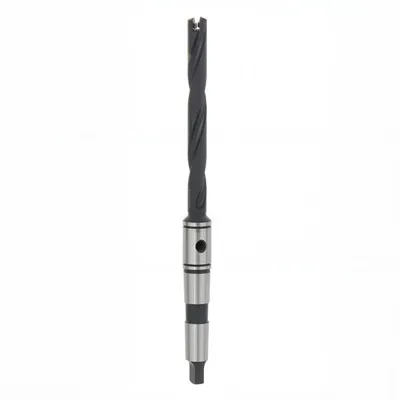
First off, let’s get on the same page: a tap set isn’t just a single metal stick—you got taps themselves, the dies (wait, no, hold on—taps are for cutting internal threads, dies are external, but most people lump ’em into tap sets, yeah), maybe a tap wrench, and sometimes even thread gauges. But the core of the whole set is the tap, and that’s where the material game is won or lost. If your tap is garbage, you’re gonna snap it halfway through a thread in a steel block, waste hours, and go through 3 taps for one project. We’ve all been there, right?
Let’s start with the OG material: high-speed steel, or HSS. This is the bread and butter for most budget to mid-range tap sets, and for good reason. What is HSS, anyway? It’s steel that’s been alloyed with stuff like tungsten, molybdenum, chromium, and vanadium. Those elements do two big things: they make it way harder than regular carbon steel, and they let it stay hard when it’s hot. Wait, hot? Yeah—when you’re cutting threads, that friction generates heat, and if your tap softens even a little, it’s done for. HSS stays tough up to like 600°C (that’s over 1,100°F, if you’re not metric). Our basic tap sets— the ones we sell for hobbyists doing wood, aluminum, or even mild steel for small projects—are all HSS. I won’t lie, HSS taps aren’t for machining super-hard stuff like hardened steel or stainless steel, but for 90% of the work most people do, they’re perfect. We’ve had a customer who restores old bicycles tell me his first set from us (HSS) lasted him two years of taking threads apart on frame fittings, and he still uses it. That’s the stuff we love hearing.
Now, if you’re doing heavier duty work, like machining stainless steel, hardened alloy steel, or even titanium? You need something way tougher. That’s where our next big one comes in: high-speed steel with cobalt, or M35 or M42 grade HSS. Wait, M35 is 5% cobalt, M42 is 8%—don’t overcomplicate the numbers, just know cobalt adds way more heat resistance and hardness than regular HSS. A lot of people call these “cobalt taps” and they’re a game-changer for industrial use. Let’s be real: stainless steel is a nightmare to thread. It’s gummy, it builds up on the tap teeth (that’s called built-up edge, if you wanna get fancy), and it gets hot fast. Our cobalt tap sets—we stock these for guys running fabricating shops or auto body garages doing custom exhaust brackets or engine parts—they don’t give up. I had a guy message me last month saying he snapped three cheap HSS taps trying to thread 304 stainless for a food processing tank, and our cobalt set did all 12 threads in one go, no lube even (though we still recommend lube, don’t be silly). The downside? They’re pricier, but if you’re not buying three taps per job, they pay for themselves fast.
Next up, something that’s been around for a minute but is super underrated: carbon steel taps. Wait, why would anyone use carbon steel when HSS is better? Oh, right—price. Super cheap carbon steel taps are great for super soft materials, like wood, plastic, or even lead. If you’re making a custom birdhouse and you need to tap a 1/4” hole for a screw into pine? Carbon steel is fine. It won’t last forever, but you’re not gonna be using that tap for anything else. We actually sell a tiny set of carbon steel taps for craft projects and elementary school shop classes (yeah, we supply those too) and they sell like hotcakes. Just don’t try to use them on steel—they’ll bend before you even get halfway. I’ve seen it, don’t do it.
Now, hold on—what about the guys who are machining crazy hard stuff, like hardened tool steel, titanium, or even Inconel for aerospace parts? That’s not HSS, not even cobalt HSS. That’s carbide. Solid carbide taps. Wait, carbide is way harder than steel—like, 9 on the Mohs scale, versus HSS at like 6.5. It doesn’t soften at all, even at way higher temperatures (carbide starts breaking down around 1,400°C, that’s over 2,500°F, for reference). The tradeoff? Carbide is brittle. If you’re not careful, you snap it. You gotta use the right speed, the right lube, not force it. But for stuff that’s way too tough for HSS? Carbide is the only way. We don’t sell a full tap set with carbide taps, but we do sell individual carbide taps for industrial clients, and they last way longer than any HSS set on hardened steel. Last year, a customer in the oil and gas industry told us his carbide tap for threading drill pipe nipples lasted 10,000 holes, while his old cobalt taps only did 200. That’s insane, right?
Wait, we can’t forget the other parts of the tap set, not just the taps themselves. Like, the tap wrench, the handle you use to turn the tap. What are those made of? Most budget tap sets have plastic or soft metal wrenches—don’t buy those. They slip, they bend, they break. Our mid-range and pro tap sets come with wrenches made of forged steel, sometimes coated with a non-slip grip so your hand doesn’t slide when you’re applying pressure. Also, the thread gauges? Those are usually stainless steel, so they don’t rust if you leave ’em in your toolbox with wet hands. Small stuff, but it makes a difference.
Let’s talk coatings, because this is a huge part that a lot of people sleep on. A tap’s base material is one thing, but the coating is what makes it actually perform. The most common coating is titanium nitride, or TiN. That’s the gold-colored stuff you see on a lot of taps. TiN makes the tap smoother, so the thread doesn’t snag, and it reduces friction so less heat builds up. It also prevents that built-up edge I was talking about earlier—so the gunk from the material doesn’t stick to the tap teeth. We coat all our HSS and cobalt taps with TiN for free, no extra charge, because we think that’s a no-brainer. There’s also TiCN (titanium carbon nitride, silver-gray) for higher heat, or black oxide for stainless steel, which is good for reducing corrosion. If you ever see a tap that’s black, that’s probably black oxide—great for wet environments, not so great for super high heat.
Now, let’s get real about myths I hear all the time. Like, “All HSS taps are the same.” No way. There’s M2 HSS, which is a standard grade, and M7, which is harder. We use M2 for our basic sets and M42 for our cobalt-adjacent? Wait no, M42 is the super cobalt one. Point is, not all HSS is equal. Another myth: “Harder tap = better.” Nope. Carbide is harder, but it’s brittle, so if you’re a hobbyist who might rush a thread or not use the right lube, a carbide tap is gonna snap on you. Start with HSS, move up when you need it.
Let’s also talk about what works for different materials, just to wrap this up. If you’re tapping aluminum, brass, or plastic? HSS TiN taps are perfect. If you’re tapping stainless steel, hardened steel, titanium? Go with cobalt HSS, or carbide if it’s super hard. If you’re tapping soft stuff like wood or lead? Basic carbon steel is fine. That’s our go-to breakdown, and it works every time.
Wait, and before I sign off, a quick pro tip: don’t skimp on your tap set. Yeah, that $10 set from the big box store looks like a steal, but half the time those taps are low-grade steel with a thin coating that wears off after one job. Our tap sets are made from high-quality alloys, properly heat-treated, and coated to last. We’ve been in this game a while, and we know that a good tap set is one of the most used tools in your toolbox—so it’s worth spending a little more on one that’ll last.
If you’re looking for a new tap set, whether you’re a hobbyist just starting out or a pro needing something heavy-duty, we got you. We stock everything from small carbon steel sets for craft work up to industrial-grade cobalt and carbide taps. Hit us up to chat about what you’re working on, we can help you pick the right materials for your job, no pressure, no weird fine print.
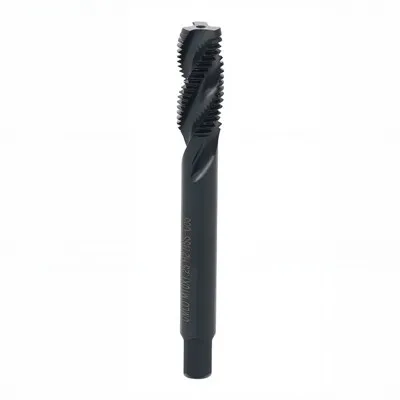
Now, for the sources I used to make sure I got all this right (no stuffy textbooks, just real industry stuff): Machining Data Handbook, 2021; ASM International’s Materials Database for Cutting Tools; and chat with our in-house machining tech who’s been working with taps for 25 years.
U Drills Sources: Machining Data Handbook, 2021; ASM International Cutting Materials Database; In-House Machining Engineering Team, 2024
Small Craftsman (Shandong) Machine & Tools Co., Ltd.
Small Craftsman (Shandong) Machine & Tools Co., Ltd. is one of the most experienced tap set manufacturers and suppliers in China, also supports customized service with low price. Please feel free to buy bulk high quality tap set in stock here from our factory. Contact us for pricelist.
Address: No.9 Quanxin Rd., Sishui Economic Developing Zone, Jining, Shandong, China.
E-mail: 6196@ocutchina.com
WebSite: https://www.ocutooling.com/
