Spirulina, a type of blue – green algae, has been a subject of increasing interest in the health and wellness industry. As a spirulina supplier, I’ve witnessed a growing number of inquiries about its effects on various aspects of health, especially the nervous system. In this blog, I’ll delve into the scientific evidence to answer the question: Is spirulina good for the nervous system? Spirulina
Nutritional Composition of Spirulina
Spirulina is a nutritional powerhouse. It is rich in protein, containing all the essential amino acids. In fact, it has a protein content of up to 70% by dry weight, which is significantly higher than many other plant – based protein sources. This high – quality protein is crucial for the proper functioning of the nervous system, as it provides the building blocks for neurotransmitters and neural structures.
It also contains a variety of vitamins, including vitamin B complex. Vitamin B1 (thiamine), B2 (riboflavin), B3 (niacin), B6, and B12 are all present in spirulina. These vitamins play vital roles in maintaining the health of the nervous system. For example, vitamin B12 is essential for the synthesis of myelin, the protective sheath that surrounds nerve fibers. A deficiency in B12 can lead to nerve damage and neurological disorders such as peripheral neuropathy.
In addition to vitamins, spirulina is a good source of minerals like iron, magnesium, and zinc. Iron is necessary for the production of hemoglobin, which transports oxygen to the brain. Magnesium is involved in over 300 enzymatic reactions in the body, including those related to nerve impulse transmission. Zinc is important for the development and function of the nervous system, and it is also involved in the regulation of neurotransmitter release.
Antioxidant Properties and the Nervous System
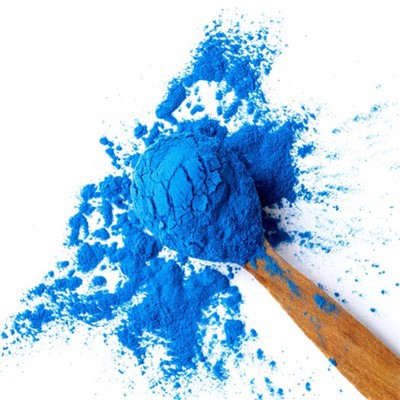
Oxidative stress is a major contributor to neurodegenerative diseases such as Alzheimer’s and Parkinson’s. Spirulina is rich in antioxidants, including phycocyanin, which gives it its characteristic blue – green color. Phycocyanin has been shown to have strong antioxidant and anti – inflammatory properties.
Oxidants can damage nerve cells and disrupt normal neural function. By neutralizing free radicals, phycocyanin helps protect the nervous system from oxidative damage. Studies have demonstrated that phycocyanin can reduce the production of pro – inflammatory cytokines in the brain, which are associated with neuroinflammation. Neuroinflammation is a key factor in the development and progression of many neurological disorders.
Neuroprotective Effects
Several animal studies have suggested that spirulina may have neuroprotective effects. In one study, rats with induced neurological damage were given spirulina extract. The results showed that spirulina treatment improved cognitive function and reduced oxidative stress in the brain. Another study found that spirulina could protect against nerve cell death caused by toxins.
In humans, although more research is needed, there are some promising signs. Some small – scale clinical trials have reported improvements in cognitive function and mood in individuals taking spirulina supplements. For example, a study on elderly individuals with mild cognitive impairment showed that after taking spirulina for a certain period, there was an improvement in memory and attention.
Impact on Neurotransmitter Regulation
Neurotransmitters are chemical messengers that transmit signals between nerve cells. Spirulina may play a role in regulating neurotransmitter levels. The amino acids in spirulina, such as tryptophan, are precursors for neurotransmitters like serotonin. Serotonin is known as the "feel – good" neurotransmitter, and it is involved in regulating mood, sleep, and appetite.
By providing the necessary building blocks for neurotransmitter synthesis, spirulina may help maintain a healthy balance of neurotransmitters in the brain. This can have a positive impact on mental health and overall well – being. For example, an increase in serotonin levels can lead to a reduction in symptoms of depression and anxiety.
Potential Side Effects and Precautions
While spirulina is generally considered safe for most people, there are some potential side effects. Some individuals may experience allergic reactions, such as itching, swelling, or difficulty breathing. It is also important to note that spirulina can accumulate heavy metals if it is grown in contaminated water. Therefore, it is crucial to source spirulina from a reliable supplier who adheres to strict quality control standards.
Pregnant and breastfeeding women should consult their healthcare provider before taking spirulina supplements. Although there is no conclusive evidence of harm, it is better to err on the side of caution.
Conclusion

Based on the available scientific evidence, spirulina shows great potential for being beneficial to the nervous system. Its rich nutritional profile, antioxidant properties, neuroprotective effects, and role in neurotransmitter regulation all suggest that it can support the health and function of the nervous system.
Blue Spirulina As a spirulina supplier, I am committed to providing high – quality spirulina products. Our spirulina is grown in pristine environments and undergoes rigorous testing to ensure its safety and purity. If you are interested in incorporating spirulina into your diet for its potential benefits to the nervous system or other health reasons, I encourage you to reach out to me for more information and to discuss potential procurement opportunities. Whether you are an individual looking for a natural health supplement or a business interested in bulk purchasing, I am here to assist you.
References
- Belay, A. (2008). Spirulina platensis (Arthrospira): Physiology, cell – biology and biotechnology. Taylor & Francis.
- Gantar, M., & Svircev, A. M. (2008). Spirulina (Arthrospira) platensis as a natural source of antioxidant, anti – inflammatory, and immunostimulating compounds. Journal of Applied Phycology, 20(5), 503 – 516.
- Rastogi, R. P., Sinha, R. P., Madamwar, D., & Incharoensakdi, A. (2014). Phycocyanin from cyanobacteria: A review on its biosynthesis, purification, characterization, and applications. Biotechnology Advances, 32(6), 1105 – 1119.
- Saleem, M., & Akhtar, M. S. (2017). Spirulina: A potential functional food for health benefits. Journal of Food Science and Technology, 54(10), 3029 – 3036.
Dongtai City Spirulina Bio-Engineering Co., Ltd.
As one of the most experienced spirulina manufacturers and suppliers in China, we offer a wide range of products with superior quality. Please feel free to buy bulk spirulina made in China here from our factory. Good service and reasonable price are available.
Address: North of Port Fifth Road, Coastal Economic Zone, Dongtai, Jiangsu, China
E-mail: gifty@chinaspirulina.com
WebSite: https://www.chinaspirulina.com/
