Yo, fellow motor enthusiasts! I’m here as a supplier of DC motors, and today we’re gonna dive deep into how to achieve the maximum speed of a DC motor. It’s a topic that’s super important, whether you’re using these motors in small DIY projects or big industrial setups. DC Motor
First off, let’s understand the basics of a DC motor. A DC motor works based on the principle of electromagnetism. When an electric current flows through the coil in the motor, it creates a magnetic field that interacts with the permanent magnets in the motor, causing the motor to rotate. The speed of a DC motor depends on a few key factors, and we’re gonna break them down one by one.
Voltage
The first and probably the most obvious factor is the voltage. In simple terms, the higher the voltage you apply to a DC motor, the faster it’ll spin. It’s like giving your motor a big energy boost. But there’s a catch. Every motor has a maximum voltage rating. If you go over this rating, you can damage the motor. So, it’s crucial to check the motor’s datasheet to find out what the safe voltage range is.
For example, if you have a small DC motor rated for 12 volts, applying 24 volts might make it spin really fast for a short time, but it’ll likely overheat and burn out. On the other hand, if you apply too low a voltage, the motor might not even start or will run at a very slow speed. So, finding the right balance is key.
Armature Resistance
The armature resistance also plays a big role in the motor’s speed. The armature is the rotating part of the motor, and its resistance affects how much current can flow through it. A lower armature resistance allows more current to flow, which in turn increases the motor’s speed.
To reduce the armature resistance, you can use thicker wires in the armature winding. Thicker wires have less resistance, so more current can pass through. However, this also means that the motor will draw more power, so you need to make sure your power supply can handle it.
Magnetic Field Strength
The strength of the magnetic field in the motor is another important factor. A stronger magnetic field will cause the motor to spin faster. You can increase the magnetic field strength by using stronger permanent magnets or by increasing the current in the field winding (in the case of a separately excited DC motor).
Some motors come with adjustable magnetic fields. By adjusting the field current, you can control the magnetic field strength and thus the motor’s speed. This is a great way to fine-tune the motor’s performance for different applications.
Load on the Motor
The load on the motor also affects its speed. If you put a heavy load on the motor, it’ll slow down because it has to work harder to turn. For example, if you’re using a DC motor to drive a conveyor belt, and you load the belt with a lot of heavy items, the motor will have to work harder to move the belt, and its speed will decrease.
To achieve maximum speed, you need to make sure the load on the motor is within its rated capacity. If the load is too heavy, you might need to choose a more powerful motor or reduce the load.
Commutation
Commutation is the process of switching the current in the armature coils as the motor rotates. A smooth and efficient commutation process is essential for achieving maximum speed. If the commutation is not done properly, it can cause the motor to run unevenly or even stop.
To improve commutation, you can use high-quality brushes and commutators. The brushes make contact with the commutator, and if they’re worn out or not making good contact, it can affect the motor’s performance. Regular maintenance and replacement of brushes and commutators can help keep the motor running smoothly.
Cooling
Overheating can also limit the speed of a DC motor. When a motor operates, it generates heat, and if this heat is not dissipated properly, it can cause the motor to slow down or even fail.
To keep the motor cool, you can use cooling methods such as fans, heat sinks, or liquid cooling. Fans are a simple and effective way to blow air over the motor and dissipate the heat. Heat sinks are also useful, as they absorb the heat from the motor and transfer it to the surrounding air. Liquid cooling is more complex but can be very effective for high-power motors.
Control Systems
Using a good control system can also help you achieve the maximum speed of a DC motor. There are different types of control systems, such as speed controllers and servo controllers.
A speed controller allows you to adjust the speed of the motor by varying the voltage or current. You can set the desired speed, and the controller will automatically adjust the power supply to maintain that speed. Servo controllers are more advanced and can also control the position and torque of the motor in addition to the speed.
Gearboxes
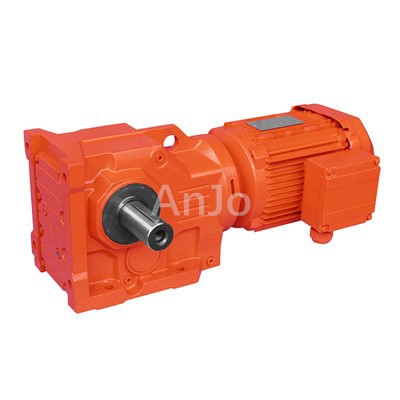
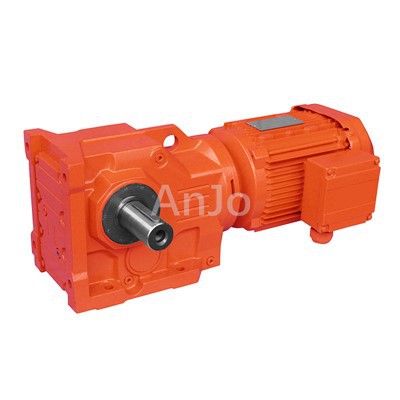
Sometimes, using a gearbox can help you achieve the maximum speed. A gearbox can change the speed and torque of the motor. By choosing the right gear ratio, you can increase the output speed of the motor.
For example, if you have a motor that runs at a high speed but low torque, you can use a gearbox to increase the torque and decrease the speed. On the other hand, if you need a high-speed output, you can choose a gearbox with a high gear ratio to increase the speed.
Now that we’ve covered all these factors, let’s talk about how you can put all this knowledge into practice. When you’re choosing a DC motor for your application, make sure to consider all these factors. Look at the motor’s specifications, such as the voltage rating, armature resistance, and magnetic field strength. Also, think about the load you’ll be putting on the motor and whether you’ll need a control system or a gearbox.
If you’re having trouble achieving the maximum speed of your DC motor, don’t hesitate to reach out to us. As a DC motor supplier, we have a lot of experience and can provide you with the right advice and products. We offer a wide range of DC motors with different specifications to meet your needs. Whether you’re working on a small hobby project or a large industrial application, we’ve got you covered.
DC Brush Planetary Gear Motor So, if you’re interested in purchasing DC motors or need more information on how to achieve the maximum speed, feel free to contact us. We’re always here to help you get the most out of your motors.
References
- "Electric Machinery Fundamentals" by Stephen J. Chapman
- "DC Motors: Principles, Design, and Application" by various authors
Hangzhou ANG Drive Co., Ltd.
We’re well-known as one of the leading dc motor manufacturers and suppliers in China, also support custom service. Please feel free to wholesale high quality dc motor made in China here from our factory. Contact us for more details.
Address: No.185, Jincheng Rd., Hangzhou 311202, China
E-mail: export6@angdrive.com
WebSite: https://www.angdrive.com/
