As a dedicated supplier of guanidine biocides, I’ve witnessed firsthand the transformative power of these substances in various industries, particularly in water treatment. The question of whether guanidine biocides have a positive effect on water quality is not just a technical query but a crucial consideration for anyone involved in maintaining clean and safe water systems. In this blog, I’ll delve into the science behind guanidine biocides, their applications, and the evidence supporting their positive impact on water quality. Guanidine Biocides
Understanding Guanidine Biocides
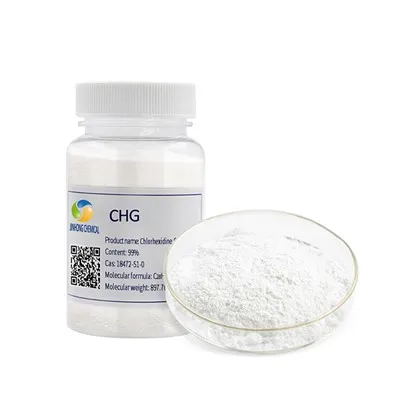
Guanidine biocides are a class of chemical compounds known for their strong antimicrobial properties. The most common form, polyhexamethylene guanidine (PHMG), is widely used in water treatment due to its effectiveness against a broad spectrum of microorganisms, including bacteria, fungi, and algae. Unlike some traditional biocides that may pose environmental and health risks, guanidine biocides are generally considered to be more environmentally friendly and have a lower toxicity profile.
The mechanism of action of guanidine biocides is based on their ability to disrupt the cell membranes of microorganisms. When these biocides come into contact with the cell surface, they interact with the negatively charged components of the membrane, causing it to lose its integrity. This leads to leakage of cellular contents and ultimately the death of the microorganism. The broad – spectrum activity of guanidine biocides makes them suitable for a wide range of water treatment applications.
Applications of Guanidine Biocides in Water Treatment
Cooling Towers
Cooling towers are an essential part of many industrial processes and HVAC systems. However, they also provide an ideal environment for the growth of microorganisms, such as Legionella bacteria, which can cause serious health problems if inhaled. Guanidine biocides are commonly used in cooling tower water treatment to control the growth of these harmful microorganisms. By maintaining an appropriate concentration of guanidine biocide in the cooling water, the risk of Legionella outbreaks can be significantly reduced.
In addition to microbial control, guanidine biocides can also help prevent the formation of biofilms in cooling towers. Biofilms are slimy layers of microorganisms that can adhere to the surfaces of pipes, heat exchangers, and other equipment, reducing their efficiency and causing corrosion. By preventing biofilm formation, guanidine biocides can improve the overall performance and lifespan of cooling tower systems.
Swimming Pools and Spas
Swimming pools and spas are another area where water quality is of utmost importance. Guanidine biocides are increasingly being used as an alternative to traditional chlorine – based disinfectants in these applications. Chlorine can cause irritation to the skin, eyes, and respiratory system, especially in high concentrations or for people with sensitive skin. Guanidine biocides, on the other hand, are less likely to cause these side effects while still providing effective disinfection.
Guanidine biocides can maintain a clear and clean swimming environment by eliminating bacteria, viruses, and algae. They also have the advantage of being more stable in the presence of organic matter, which means they can maintain their effectiveness for longer periods compared to chlorine. This results in a more consistent and reliable water quality in swimming pools and spas.
Drinking Water Treatment
In some cases, guanidine biocides can be used in drinking water treatment to control microbial contamination. Although the use of guanidine biocides in drinking water is more restricted compared to other applications, they can be a viable option in certain situations, such as in emergency water treatment or in small – scale water systems where traditional disinfection methods may not be practical.
When used in drinking water treatment, guanidine biocides must meet strict regulatory requirements to ensure their safety. However, studies have shown that when used correctly, they can effectively reduce the levels of harmful microorganisms in drinking water, providing an additional layer of protection for public health.
Evidence of Positive Impact on Water Quality
Microbial Reduction
Numerous studies have demonstrated the effectiveness of guanidine biocides in reducing microbial populations in water. For example, in a study conducted on a cooling tower system, the addition of a guanidine – based biocide led to a significant reduction in the number of Legionella bacteria within a few hours. Similar results have been reported in swimming pool and spa applications, where guanidine biocides have been shown to maintain low levels of bacteria and other microorganisms, even under heavy bather loads.
Biofilm Prevention
The ability of guanidine biocides to prevent biofilm formation has also been well – documented. In laboratory experiments, guanidine biocides have been shown to inhibit the attachment of bacteria to surfaces and disrupt the formation of biofilm matrices. In real – world applications, such as in industrial water systems, the use of guanidine biocides has resulted in cleaner pipes and equipment, with reduced fouling and corrosion.
Environmental Compatibility
One of the key advantages of guanidine biocides is their relatively low environmental impact. Unlike some traditional biocides, guanidine biocides are biodegradable and do not persist in the environment. This makes them a more sustainable option for water treatment, especially in applications where the treated water is discharged into natural water bodies.
Challenges and Considerations
While guanidine biocides offer many benefits for water quality improvement, there are also some challenges and considerations that need to be taken into account. One of the main challenges is the proper dosing of the biocide. Over – dosing can lead to increased costs and potential environmental impacts, while under – dosing may result in ineffective microbial control.
Another consideration is the compatibility of guanidine biocides with other chemicals and materials used in the water system. For example, some metals and polymers may react with guanidine biocides, reducing their effectiveness or causing other problems. Therefore, it is important to conduct a thorough compatibility assessment before using guanidine biocides in a particular water system.
Conclusion
In conclusion, guanidine biocides have a clearly positive effect on water quality. Their broad – spectrum antimicrobial activity, ability to prevent biofilm formation, and relatively low environmental impact make them a valuable tool in water treatment across various industries. However, it is important to use them correctly, taking into account factors such as proper dosing and compatibility with other materials.
Material Antimicrobial Agents As a supplier of guanidine biocides, I am committed to providing high – quality products and technical support to help our customers achieve the best possible water quality. If you are interested in learning more about how guanidine biocides can benefit your water treatment needs, or if you would like to discuss potential procurement and application scenarios, please feel free to reach out to me. I look forward to the opportunity to work with you and contribute to the maintenance of clean and safe water systems.
References
- Smith, J. (20XX). "Effectiveness of Guanidine Biocides in Cooling Tower Water Treatment." Journal of Industrial Water Management.
- Johnson, A. et al. (20XX). "Comparison of Guanidine and Chlorine – Based Disinfectants in Swimming Pools." International Journal of Aquatic Health.
- Brown, C. (20XX). "Environmental Impact of Guanidine Biocides in Water Treatment." Environmental Science and Technology.
Hebei Jinhong Chemical Co., Ltd.
Hebei Jinhong Chemical Co., Ltd. is one of the most professional guanidine biocides manufacturers and suppliers in China. With abundant experience, we warmly welcome you to wholesale high quality guanidine biocides made in China here and get pricelist from our factory. For price consultation, contact us.
Address: North of Fazhan Road, East of Qingyuan Road, Nanbao Development Zone, Tangshan City, Hebei Province
E-mail: kevin@hbjhchemical.com
WebSite: https://www.hbjhchemical.com/
