As a supplier of propane gas torches, I often get asked a variety of questions about the practical applications of our products. One query that surfaces quite frequently is whether a propane gas torch can be used for plastic welding. In this blog post, I’ll delve into this topic, draw on my experience in the field, and provide you with a comprehensive answer. Propane Gas Torch

Let’s first understand the basic concepts involved. Plastic welding is a process of joining two or more pieces of plastic together by melting the surfaces and then fusing them. This technique is widely used in industries such as automotive, construction, and manufacturing, as well as in DIY projects. Propane gas torches, on the other hand, are versatile tools that produce a high – temperature flame by burning propane gas. They are commonly used for tasks like soldering, brazing, heat shrinking, and thawing frozen pipes.
The Feasibility of Using Propane Gas Torches for Plastic Welding
The short answer is yes, a propane gas torch can be used for plastic welding, but with several caveats. Propane torches can generate enough heat to melt many types of plastics. The flame temperature of a typical propane torch can reach up to around 1995°C (3600°F), which is more than sufficient to melt most common plastics. For example, polyvinyl chloride (PVC), which has a melting point between 100 – 260°C (212 – 500°F), and polyethylene, with a melting point of about 115 – 135°C (239 – 275°F), can be melted using a propane torch.
However, using a propane torch for plastic welding is not as straightforward as it might seem. The high – intensity flame of a propane torch can be difficult to control precisely. If the flame is too hot or is held too close to the plastic for too long, it can cause the plastic to burn, char, or degrade. This not only ruins the appearance of the welded joint but also weakens the structural integrity of the plastic.
Types of Plastics Suitable for Propane Torch Welding
Some plastics are more suitable for welding with a propane torch than others. Thermoplastics, which are plastics that soften when heated and harden when cooled, are the most amenable to this welding method.
- Polyethylene (PE): This is one of the most commonly used plastics. Low – density polyethylene (LDPE) and high – density polyethylene (HDPE) can be welded using a propane torch. They have relatively low melting points and are often used in the production of pipes, containers, and packaging materials.
- Polypropylene (PP): Another thermoplastic, polypropylene, is also suitable for propane torch welding. It has good chemical resistance and is used in a wide range of applications, including automotive parts, furniture, and food containers.
- PVC (Polyvinyl Chloride): PVC is a popular plastic in construction and plumbing. When using a propane torch to weld PVC, special care must be taken as the release of chlorine gas during overheating can be hazardous.
Steps for Welding Plastic with a Propane Torch
If you decide to give plastic welding with a propane torch a try, here are the general steps you can follow:
Preparation
- Clean the surfaces: The plastic surfaces to be welded must be clean and free of dirt, grease, and any contaminants. You can use a mild detergent and water to clean the surfaces, followed by a dry cloth to remove any moisture.
- Select the right filler rod: A filler rod made of the same type of plastic as the pieces you are welding is essential. The filler rod will be melted and used to strengthen the welded joint.
- Set up the workspace: Work in a well – ventilated area to avoid inhaling any fumes that may be produced during the welding process. Also, make sure you have a heat – resistant surface to place the plastic pieces on.
Welding Process
- Adjust the torch flame: Start by adjusting the propane torch to a medium – sized, well – defined flame. A bushy or uneven flame can cause uneven heating of the plastic.
- Pre – heat the surfaces: Gently pass the torch flame over the plastic surfaces to be welded. Do this evenly and slowly to avoid overheating. The goal is to raise the temperature of the plastic close to its melting point.
- Apply the filler rod: Once the plastic surfaces are heated enough, start applying the filler rod to the joint. As you feed the filler rod into the joint, continue to heat the area with the torch. The filler rod should melt and blend into the softened plastic.
- Join the pieces: After the filler rod has melted and filled the joint, quickly press the two plastic pieces together firmly. Hold them in place until the plastic cools and hardens.
Advantages and Disadvantages of Using a Propane Torch for Plastic Welding
Advantages
- Cost – effective: Propane gas torches are relatively inexpensive compared to specialized plastic welding equipment. This makes them a viable option for small – scale projects or DIY enthusiasts on a budget.
- Versatility: As mentioned earlier, propane torches can be used for multiple tasks. So, if you already own one for other purposes, you can use it for plastic welding as well.
- Portability: Propane torches are lightweight and portable, allowing you to perform plastic welding projects anywhere, as long as you have access to propane gas.
Disadvantages
- Flame control: As I’ve emphasized, controlling the high – temperature flame of a propane torch can be challenging, especially for beginners. This can lead to inconsistent results and potential damage to the plastic.
- Safety concerns: Propane is a flammable gas, and any use of a propane torch comes with safety risks. Additionally, some plastics can release toxic fumes when heated, such as the chlorine gas from PVC.
- Limited precision: For intricate plastic welding projects that require high precision, a propane torch may not be the best tool, as it is difficult to achieve a very fine and accurate weld.
Tips for Successful Plastic Welding with a Propane Torch
- Practice on scrap pieces: Before attempting to weld your actual project, practice on some scrap pieces of the same type of plastic. This will help you get a feel for the heat and the flow of the melted plastic.
- Use a heat shield: A heat shield can be used to protect the surrounding area from the heat of the torch. This is especially important when working on projects where other parts could be damaged by the heat.
- Vary the distance and angle: Experiment with the distance between the torch and the plastic and the angle of the torch. This can help you control the heat input more effectively.
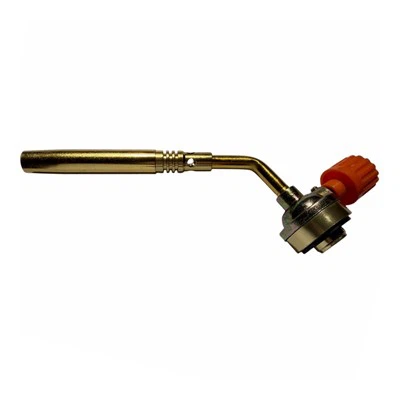
In conclusion, while a propane gas torch can be used for plastic welding, it is a skill – based process that requires careful attention and practice. If you are confident in your ability to handle the torch and understand the properties of the plastic you are working with, it can be a useful and cost – effective method.
Gas Torch If you’re interested in exploring the world of plastic welding with a propane torch, I encourage you to reach out to discuss your specific needs. As a reliable supplier of propane gas torches, I can provide you with high – quality products and offer guidance on the best practices for your welding projects. Whether you’re a professional in the industry or a DIY enthusiast, I’m here to assist you in making the most of our propane gas torches. Feel free to contact me to start the conversation about purchasing the right torch for your requirements.
References
- "Plastics: Materials and Processing" by Donald R. Paul and Christopher B. Bucknall
- "Welding Handbook, Volume 2: Welding Processes" published by the American Welding Society
- Technical data sheets from plastic manufacturers regarding the properties and welding of different plastics.
Yuhuan Shunshida Intelligent Electromechanical Co., Ltd.
As one of the most professional quick connect spray gun manufacturers and suppliers in China, we’re featured by quality products and good service. Please rest assured to buy durable quick connect spray gun at low price from our factory. We also accept customized orders.
Address: No. 186 East Nanxing Road, Chumen Town, Yuhuan City, Zhejiang Province
E-mail: yuhuanshunshida@gmail.com
WebSite: https://www.cmssdgastorch.com/
