Deploying Valve Core in a production environment is a critical process that requires careful planning, technical expertise, and a deep understanding of the product’s capabilities. As a Valve Core supplier, I’ve witnessed firsthand the transformative impact of our product in various industries. In this blog post, I’ll share insights on how to navigate the deployment process successfully, ensuring that you can harness the full potential of Valve Core in your production settings. Valve Core
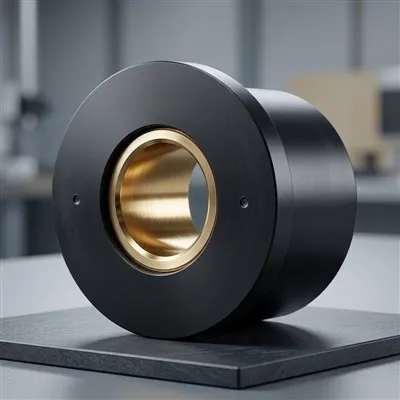
Understanding Valve Core and Its Benefits
Before delving into the deployment process, it’s essential to understand what Valve Core is and why it’s a game – changer for many businesses. Valve Core is a state – of – the – art technology designed to regulate and control fluid flow in industrial systems. It offers several benefits, including high precision control, energy efficiency, and improved system reliability.
Precision control allows for accurate adjustment of fluid flow rates, pressures, and temperatures, which is crucial in applications such as chemical processing, water treatment, and power generation. Energy efficiency is achieved through optimized valve operations, reducing unnecessary energy consumption. Additionally, the robust design of Valve Core ensures long – term reliability, minimizing downtime and maintenance costs.
Pre – deployment Preparation
Conducting a Comprehensive Needs Assessment
The first step in deploying Valve Core is to conduct a thorough needs assessment. This involves understanding your production processes, the specific requirements for fluid control, and the existing infrastructure. For example, in a manufacturing plant, you need to determine the flow rates, pressures, and types of fluids that the valves will handle. You should also consider the operating environment, such as temperature, humidity, and the presence of corrosive substances.
Selecting the Right Valve Core Models
Based on the needs assessment, select the appropriate Valve Core models for your application. Our product line offers a wide range of valve cores with different specifications, including size, material, and control mechanisms. For instance, if you’re dealing with corrosive chemicals, you might choose a valve core made of corrosion – resistant materials like stainless steel or titanium. If high – speed control is required, a valve core with a fast – acting actuator would be more suitable.
Planning the Installation Process
Develop a detailed installation plan that takes into account the layout of your production facility, safety regulations, and the availability of resources. Identify the installation locations for the valve cores, ensuring that they are easily accessible for maintenance and inspection. Coordinate with your engineering and maintenance teams to ensure that they are familiar with the installation process and have the necessary tools and equipment.
Installation and Configuration
Installation
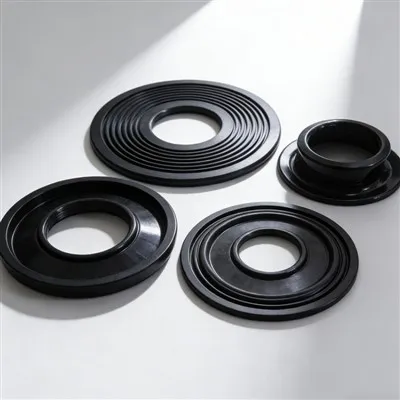
The installation of Valve Core should be carried out by trained professionals to ensure proper functioning and safety. Start by preparing the installation sites, which may involve cleaning, leveling, and making necessary modifications to the existing piping systems. Follow the manufacturer’s installation instructions carefully, including the correct orientation of the valve cores, the tightening torque of the connections, and the proper installation of gaskets and seals.
Configuration
Once the valve cores are installed, they need to be configured to meet your specific production requirements. This involves setting the control parameters, such as flow rate, pressure setpoints, and control modes. Our Valve Core products are equipped with advanced control systems that can be programmed using user – friendly software interfaces. You can also integrate the valve cores with your existing control systems, such as Programmable Logic Controllers (PLCs) or Distributed Control Systems (DCSs), to enable seamless automation of your production processes.
Testing and Commissioning
Functional Testing
After installation and configuration, conduct comprehensive functional tests to ensure that the valve cores are working correctly. Test each valve core individually, checking for proper opening and closing, accurate flow control, and smooth operation of the control mechanisms. Monitor the system parameters, such as pressure and flow rate, to ensure that they are within the desired range.
System – level Testing
In addition to individual valve core testing, perform system – level testing to evaluate the performance of the entire fluid control system. This involves simulating normal and abnormal operating conditions to ensure that the valve cores can respond effectively to different scenarios. Check for any leaks, pressure drops, or other issues that may affect the system’s performance.
Commissioning
Once all the tests are successfully completed, the Valve Core system is ready for commissioning. This involves bringing the system into full operation, monitoring its performance over an extended period, and making any necessary adjustments. Train your operators on how to use and maintain the Valve Core system to ensure its long – term reliability.
Post – deployment Support and Maintenance
Regular Maintenance
To ensure the continuous and efficient operation of the Valve Core system, regular maintenance is essential. Develop a maintenance schedule that includes inspections, cleaning, lubrication, and replacement of worn – out parts. Our team can provide you with detailed maintenance guidelines based on the specific models of Valve Core you have installed.
Technical Support
As your Valve Core supplier, we offer comprehensive technical support. Our team of experts is available to assist you with any technical issues, troubleshooting, or system upgrades. Whether you need help with configuration changes or resolving a complex problem, we’re here to ensure that your production processes run smoothly.
Performance Monitoring
Implement a performance monitoring system to track the performance of the Valve Core system over time. This can help you identify any potential issues early and take proactive measures to prevent downtime. Analyze the data collected from the monitoring system to optimize the operation of the valve cores and improve the overall efficiency of your production processes.
Conclusion
Deploying Valve Core in a production environment is a multi – step process that requires careful planning, proper installation, thorough testing, and ongoing maintenance. By following the steps outlined in this blog post, you can ensure a successful deployment and reap the many benefits that Valve Core has to offer.
Damper If you’re interested in learning more about our Valve Core products or are ready to discuss a purchase, we invite you to reach out to us. Our sales team is eager to have in – depth discussions with you to understand your specific needs and provide the best solutions for your production environment.
References
- Manufacturer’s Installation and Operation Manuals for Valve Core products.
- Industry standards and best practices for fluid control system deployment and maintenance.
Tianjin TGE BIAM Graphene Technology Co., Ltd.
Tianjin TGE BIAM Graphene Technology Co., Ltd. is one of the most professional valve core manufacturers and suppliers in China, also supports customized service. Please feel free to buy bulk advanced valve core in stock here from our factory. For quotation, contact us now.
Address: No. 24 Sanjing Road, Dongli Development Zone, Tianjin City, China.
E-mail: sales@tge-tj.com
WebSite: https://www.tge-valve.com/
