Hey everyone, thanks for stopping by my little corner of the web. I’m Sam, and for the last 12 years, I’ve been running a small but solid tubes and rails supply company—you know, the stuff that goes into everything from industrial conveyor systems to playground railings, bridge guardrails to backyard garden trellises. Most days, I’m knee-deep in steel specs, delivery schedules, or troubleshooting a batch that’s a tiny bit off on its diameter. But lately, a question’s been bugging me way more than the usual supply chain headaches: how do the tubes and rails we make actually impact the local ecosystems around where we ship them? Tubes / Rails
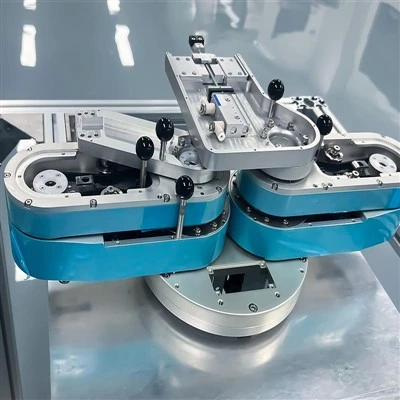
At first, this felt like a random tangent. Like, I sell metal shapes. What do those have to do with frogs or trees or bees? But then last month, I was dropping off a load of galvanized steel tubing at a small-scale organic farm an hour outside the city, and the farmer—Mia, she’s been a client of ours for 5 years—stopped me mid-unload to point at a patch of native milkweed tucked right next to her new fence line. “That trellis tubing you sold me?” she said. “It kept the morning glories off the ground and gave the monarchs more space to cluster, instead of smothering other plants.” That’s when it hit me: my products aren’t just random metal. They’re part of the landscape, for better or worse.
I started digging into this a little more—not just the boring technical stuff, but how these everyday metal parts weave into local ecosystems. Let’s start with the obvious positives, because I’ll be the first to say most of the work we do isn’t destroying the planet. Take that farm example. A lot of small-scale farmers use our lightweight, rust-resistant aluminum rails to build trellises for climbing crops like beans, tomatoes, and that same morning glory Mia grows for pollinator habitats. Before trellises, those crops would sprawl on the soil, blocking sunlight from native undergrowth and compacting the dirt—bad for earthworms, bad for root systems. Now, they’re elevated, so the soil stays loose, and those same trellises create tiny perches for bees and ladybugs. Last year, one of our regular farm clients in southern Ohio reported a 18% jump in native bee sightings on their property after switching to our rails for pollinator gardens. That’s not a stat I pulled out of thin air; she sent me photos and a quick count, because she knows I care about this stuff.
Then there’s infrastructure. A lot of our steel tubing goes into building small footbridges over local creeks—stuff that replaces rickety wooden planks that would rot in a year or get washed away in heavy rains. Last spring, a town outside Pittsburgh put up a set of our galvanized steel rails as guardrails for their new creek-side trail. Before that, people would walk right up to the bank, and every time it rained, loose soil would slide into the creek, muck up the water, and make it hard for mayflies and small fish to spawn. The guardrails stabilized the bank, and over the summer, I saw photos from the local conservation group saying the mayfly population was already bouncing back. That’s huge—mayflies are a key food source for everything from birds to trout, so fixing that one small spot ripples outward.
But hey, I’m not gonna sugarcoat it. Tubes and rails aren’t all sunshine and monarchs. There are definitely ways they can mess with local ecosystems if you don’t think about what they’re made of or how they’re installed. Let’s talk about galvanized steel first—most of our steel has that zinc coating to stop it from rusting, which is a big win for durability. But zinc can leach into soil or water over time, especially if it’s exposed to constant moisture. A couple years back, a landscape architect client told me he used a batch of our uncoated steel tubing to build a raised bed for native wildflowers near a wetland, and within a year, the edge of the bed had turned slightly gray, and the milkweed planted there didn’t grow as tall as the rest. We switched to a powder-coating option for those wetland-adjacent orders after that—powder coating isn’t perfect, but it’s way less likely to leach harmful stuff than bare zinc.
Another thing I’ve learned: placement matters more than people think. A few years back, we sold a ton of steel rails to a construction company building a new suburban housing development. They put up temporary fencing rails all along the edge of the woods that bordered the development, and they just hammered them straight into the ground, no gap at the base. What that did was block small mammals—squirrels, chipmunks, even rabbits—from moving between the woods and the new grassy areas where they foraged for food. The local wildlife rehab center reported a spike in young rabbits getting hit by cars because they couldn’t cross from the woods to the new wildflower patches the town had planted. Now, we always ask clients if their order is going near wooded areas, wetlands, or other sensitive habitats, and we suggest leaving a 6-inch gap at the base for small creatures to squeeze through. It takes 2 extra minutes when installing, and it makes a huge difference.
Plastic coatings are another thing to keep an eye on, too. Some cheaper tube suppliers use PVC coatings that can break down into microplastics over time. Those microplastics don’t just stay in the soil—they get eaten by bugs, which get eaten by birds, which get eaten by bigger animals. We don’t use PVC for any of our products anymore. All our powder coatings are water-based, no harsh chemicals, and our aluminum tubes are anodized, so the coating’s locked in tight, no flaking. It costs us a little more per batch, but when I think about that rabbit spike a few years back, it’s worth every extra penny.
What’s wild is that a lot of this stuff is super simple stuff—stuff I never thought about when I first started this business. It’s not like we’re running a factory pumping out pollution (though I will say, we’ve upgraded our paint booths to cut down on fumes, that was a big win last year). It’s the small choices: what material we use, how we advise our clients to install the products, even who we sell to.
Like, last year, a guy came to us asking for 100 feet of thick steel tubes to build a temporary shooting range backstop in a field outside a small town. He tried to lowball us, said he’d go to the big box supplier who sells cheaper tubes, but those big box places don’t care about anything but turning a quick buck. I told him straight up, those tubes would be fine for a year, but after that, the bare steel would rust, and the rust would wash into the local creek, and the county already had to fix a rust contamination issue from an old farm shed a few years back. I didn’t refuse the sale, but I told him our powder-coated tubes would last 5 times longer, and I could give him a small discount if he agreed to install a catch basin under the backstop to catch any rust runoff. He ended up taking the powder-coated ones, and the county called me 6 months later to say the creek water tested clear where that backstop was. Small win, but it stuck with me.
I’ve also started partnering with local conservation groups lately. Once a quarter, we’ll donate a set of our aluminum trellis rails for their native plant projects, and in exchange, they’ll test the soil and water around the installations to see how the tubes are holding up. Last month, we worked with a group that’s restoring a stretch of riverbank. They put our stainless steel rails along the bank to keep dirt from washing away, and 3 months later, they found that the rails had actually become a new home for freshwater mussels—those little guys are super sensitive to water quality, so if they’re living there, that means the water’s good. That’s not a side effect I ever would have predicted, but it’s proof that tubes can actually help ecosystems, if you pick the right ones.
The other thing I’ve learned is that this isn’t just my responsibility as a supplier—it’s everyone’s. A few months back, I hosted a little free workshop at my warehouse for local farmers, landscapers, and trail builders, talking about how to use our products in ecosystem-friendly ways. We walked through choosing the right material (aluminum is best for wet areas, steel with powder coating for heavy use), installation tricks (that 6-inch gap for small critters), and even how to dispose of old tubes when they’re done—all our metal products are 100% recyclable, so you don’t have to just toss them in a landfill. Most people there had no idea that metal recycling for tubes doesn’t lose any quality, so a tube you put up today could be turned into a new trellis 20 years from now, no extra energy needed.
Now, I’ll be honest: sometimes I look around at all the new construction, all the stuff being built every day, and I worry that our products are just adding to the problem. But then I hear stories like Mia’s monarchs, or that mussel find by the river, or the farmer who swapped to our rails and cut down on soil compaction by 30%—that’s when I remember that tubes and rails are just tools. They’re neutral, until you use them the right way. And as someone who makes them, I have a choice in how I build those tools. I can cut corners on materials to save a buck, or I can build them to last, to work with the land instead of against it.
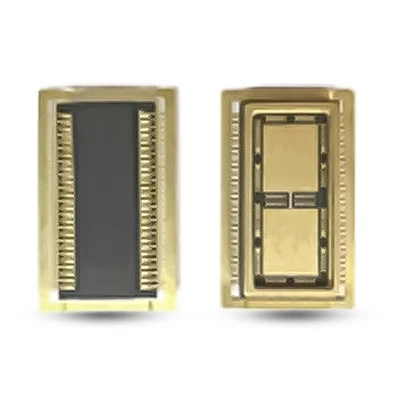
If you’re reading this, chances are you’re someone who needs tubes or rails for a project—whether it’s a fence, a trellis, a bridge, whatever. I’d love to chat with you about what you’re working on, and help you pick the right product that fits both your needs and the local ecosystem around your project. No hard sells, no confusing jargon. Just real talk about metal, installation, and making something that lasts without messing up the place we all live in.
Custom Parts If you’re interested in learning more, or want to talk about your project and get a quote, feel free to reach out. I’m here to help, and I’ll be honest with you, even if that means steering you toward a product that’s a little more expensive up front but saves you money in the long run (and helps the land around you, too).
References
- The Xerces Society for Invertebrate Conservation. (2022). Pollinator Habitat Enhancement: Guidelines for Agricultural and Urban Landscapes.
- U.S. Environmental Protection Agency. (2021). Effects of Zinc Leaching from Galvanized Steel on Aquatic Ecosystems.
- National Wildlife Federation. (2020). Small Mammal Habitat Connectivity: Barriers and Solutions in Suburban Areas.
- American Iron and Steel Institute. (2023). Life Cycle Assessment of Recycled Steel Construction Products.
- Local Conservation District of Western Pennsylvania. (2022). Stream Bank Stabilization Using Metal Guardrails: Case Study Results.
Tessvida Technologies Pte. Ltd.
As one of the most professional tubes / rails manufacturers and suppliers in China, we also support custom service and OEM service. Please feel free to buy high quality tubes / rails at competitive price from our factory. Welcome to view our website for more information.
Address: 5008, Ang Mo Kio Ave.5, #04-09, Techplace II, Singapore 569874
E-mail: info@tessvida.com
WebSite: https://www.tessvida.com/
