Hey everyone, let’s talk about something that’s probably been under your radar but shows up at every BBQ, birthday party, and picnic you’ve ever been to: tablecloths. More specifically, is PP non-woven fabric the right pick for them? As a guy who’s been selling this stuff for years, I get that most people just grab whatever’s on sale at the grocery store without thinking twice. But hear me out—there’s way more to this plastic-y, non-woven material than you might think, and I’m here to break it down like I would to a regular customer at a trade show who’s curious about their next big order. PP Non-woven Fabric
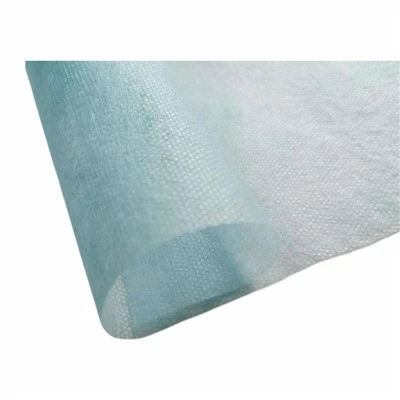
First off, let’s get the basics out of the way for anyone who’s never asked “what even is PP non-woven fabric?” PP stands for polypropylene, a super common plastic that’s basically everywhere—water bottles, packaging, even some clothing. Non-woven means it’s not woven like a t-shirt or a cotton sheet; it’s made by melting tiny PP pellets, spinning them into super thin fibers, and then bonding them together with heat, pressure, or chemicals. No weaving, no knitting, just a tangled web of fibers that’s held together. For me as a supplier, that process is what makes PP non-woven such a workhorse, and why it’s worth considering for tablecloths.
Let’s start with the biggest plus everyone cares about: cost. If you’ve ever planned a big event—like a wedding with 200 guests, or a weekend camping trip with a crew of 10—you know how fast small costs add up. Cotton tablecloths? They’re soft, they look nice when ironed, but they’re expensive. Renting them for a wedding? Forget about it—that’ll set you back a few hundred bucks. Disposable plastic tablecloths? Those are super cheap, but they feel flimsy, tear if you so much as brush them with a fork, and get all greasy and slippery. PP non-woven fabric hits that middle sweet spot way better than either. I’ve supplied rolls of it to event planners who’d spend $50 on a 10-yard roll, lay it out, and then toss it after the party. Compare that to renting cotton, which could be 10x that, and it’s a no-brainer for lots of people.
Then there’s durability. Yeah, I said it’s non-woven, but that doesn’t mean it’s paper-thin. When we make the stuff for tablecloths, we can adjust the weight (what industry folks call “GSM,” or grams per square meter) to be anywhere from 20 GSM for light, single-use stuff to 100 GSM for something that can be used a few times. I’ve had customers who use 50 GSM PP non-woven tablecloths for backyard BBQs that last all day—they hold up against spilled soda, burger grease, even a clumsy kid who drops a plate. Way better than those flimsy plastic ones that tear if you just try to unfold them. And unlike woven cotton, it doesn’t fray at the edges, so you don’t have to waste time hemming or sewing it if you’re cutting it to fit your table. That’s a huge time-saver for anyone setting up a party last minute.
Next, water and stain resistance—two non-negotiables for tablecloths, right? Spills happen. Beer, wine, juice, you name it. PP is a hydrophobic material, meaning it repels water. So a spill on PP non-woven tablecloth doesn’t soak in like it does on cotton. You can just wipe it up with a paper towel, and most of the time, there’s no stain left. I’ve tested this myself—last summer, I had a customer bring me a tablecloth that had red wine on it, left it for 24 hours, and when we wiped it, there was barely a mark. Obviously, if you leave a big spill on there for days, it might sink in a little, but for regular use, it’s way easier to clean than any fabric tablecloth. And it’s not just water—oil-based stuff like burger grease? PP doesn’t absorb that either, as long as it’s not left there forever. That’s a game-changer for BBQs, honestly.
Wait, but let’s get real—no material is perfect, and PP non-woven has some downsides. The biggest one is breathability. Because it’s a non-woven web of fibers, it’s not as porous as cotton. So if you lay it on a wooden table on a hot day, the moisture from sweat or condensation might get trapped under it. I’ve had customers who noticed that their table got a little damp after a few hours if they left the PP tablecloth on all day. It’s not a huge deal—you can just put a layer of paper or a cotton sheet under it if you’re worried—but it’s something to keep in mind.
Another downside: it’s not the most “luxury” looking material. I mean, yeah, you can print on it—we do custom prints for a lot of our clients, logos for corporate events, cute patterns for kids’ birthday parties. But at the end of the day, it’s still a plastic-based material. If you’re going for that high-end, elegant vibe for a wedding or a fancy corporate gala, cotton or linen tablecloths are going to look way more sophisticated. PP non-woven is more for casual events, backyard stuff, trade shows where you need something functional over fancy. I tell my clients straight up—if you’re hosting a black-tie dinner, don’t get PP. But if you’re having a 5K finish line party or a neighborhood block party, it’s perfect.
Also, let’s talk about how easy it is to use. Disposable PP tablecloths are super light, so you can roll them up and carry them in a backpack, no heavy folding or hauling. Setting them up is a breeze—just unroll it, cut it to fit your table (no need to measure exactly, since it’s easy to trim), and you’re done. When you’re finished, you just roll it back up and toss it. No washing, no ironing, no storing a giant heavy cotton tablecloth in your closet for the next year. That’s a huge win for people who don’t have a lot of space, or who don’t want to deal with the hassle of cleaning after a party.
Oh, and environmental stuff—wait, I know a lot of people are turned off by plastic because of how it affects the planet. PP is recyclable, right? But only if it’s disposed of correctly. A lot of places don’t have the recycling programs to take non-woven PP fabric, so if you just toss it in the trash, it’ll end up in a landfill. But here’s the thing: PP non-woven tablecloths are way more lightweight than plastic ones, so they take up less space in landfills. And if you use a higher GSM one that can be reused a couple times, that’s even better. We’ve had some clients who use the same PP tablecloth for 3 or 4 events, then recycle it, and that cuts down on waste a lot. It’s not perfect, but it’s way better than single-use plastic or renting cotton and then having to wash it (which uses a ton of water and detergent).
Let me give you a real example of a client I worked with last year. They’re a local food truck that does a lot of outdoor events—farmers markets, food festivals, pop-ups. They were using disposable plastic tablecloths before, but they kept tearing, and they were going through so many that it was adding up. They switched to our 50 GSM PP non-woven tablecloths, custom printed with their truck’s logo. Now, one roll lasts them a whole month of events. The vendor said they save about $150 a month on tablecloth costs, and they don’t have to deal with tears mid-event, which means less lost product when they have to set up a new table. Plus, the custom print makes their table stand out at farmers markets, so more people notice them. That’s exactly the kind of win I love seeing for my customers.
Another client is a local school district. They use PP non-woven tablecloths for all their field day events and school carnivals. They need something that’s cheap, durable, and easy to clean after a day of kids spilling juice, paint, and everything else. The district’s facilities manager told me that before, they’d rent cotton tablecloths for each event, but they’d get stained and ruined within a year, so they were spending way too much money replacing them. Now, they buy bulk rolls of our PP non-woven, cut them to fit their picnic tables, and when the event’s over, they just toss them. No more cleaning, no more replacing stained cotton, and it’s saved the district thousands of dollars a year.
So putting this all together: is PP non-woven fabric suitable for tablecloths? The answer is… it depends on what you need it for. If you’re looking for something cheap, durable, easy to set up and clean, perfect for casual events like BBQs, block parties, trade shows, food trucks, or school events—absolutely, no question. It’s not the right pick for high-end, formal events where you need that luxurious look, and you have to be mindful of proper disposal to keep it out of landfills, but for most everyday uses, it’s way better than the alternatives.
As someone who’s been in this business for years, I’ve seen a lot of customers try PP non-woven tablecloths and come back for more because they work exactly as promised. They don’t have to worry about tearing, they don’t have to spend hours cleaning after a party, and they save money compared to renting or buying fabric tablecloths. Yeah, it’s not perfect, but nothing is. For what it’s designed to do—be a functional, no-fuss table covering for casual gatherings—PP non-woven is hard to beat.
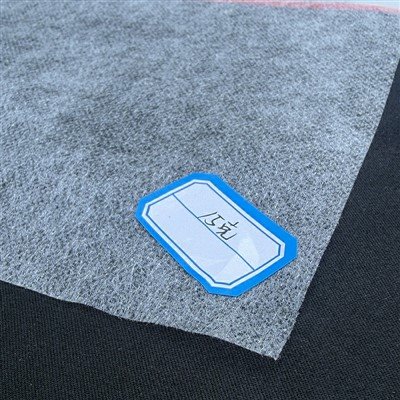
If you’re thinking about trying it for your next event, or if you’re a business owner looking for bulk supplies, hit me up to chat. We can talk about GSM levels, custom printing, how much you need, whatever questions you have. No sales pitch, just straight talk about what works best for your needs.
Functional Non-woven Fabric Reference:
- Technical Report on Polypropylene Non-Woven Fabrics for Disposable and Reusable Applications, International Nonwovens and Disposables Association, 2022
- Life Cycle Assessment of Single-Use vs. Reusable Table Linens, Textile Research Journal, 2021
- Properties of Hydrophobic Polypropylene Fabrics for Liquid Barrier Applications, Journal of Industrial Textiles, 2020
Zhejiang Guowang Packaging Co., Ltd.
Zhejiang Guowang Packaging Co., Ltd. is one of the most professional pp non-woven fabric manufacturers and suppliers in China, featured by quality products and low price. Please rest assured to buy customized pp non-woven fabric made in China here from our factory. Also, pricelist is available.
Address: Youbu Town, Lanxi City, Zhejiang Province, China
E-mail: Nicole@guowangtape.com
WebSite: https://www.guowangtape.com/
