Hey everyone, it’s Mia here—one of the folks over at [my bed sheet set company] (you know, the small team that’s actually been testing our sheets on our own beds for years before they hit your closet). Lately, I’ve been getting so many DMs and comments asking a super specific question: “Can I use a baking soda solution to clean my bed sheet set?” It’s such a relatable question, too—baking soda’s in almost every home, it’s cheap, and we’ve all heard it works for fridge smells, carpet stains, even that weird mildew on shower tiles. But when it comes to something as personal as the sheets you sleep on? I get overthinking it. Let’s break this down, no fancy jargon, just straight-up stuff we’ve learned from testing our own products and digging into the science behind it. Bed Sheet Set
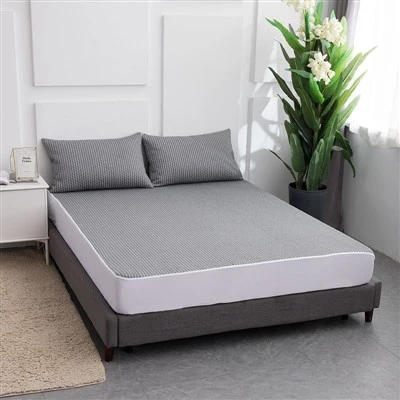
First, let’s start with why baking soda even works for cleaning in general. It’s not a bleach or a harsh chemical—those are the things that actually scare people when they’re worried about ruining nice sheets. Baking soda (that’s sodium bicarbonate, if you wanna get technical) is a mild alkali. That means it reacts with tiny, acid-based gunk on your sheets—think sweat, food crumbs (yes, we all drop crumbs!), body oils, even those little dust mite residues that build up over time. When it mixes with water, it creates a super gentle foaming action that lifts gunk out of fabric fibers without eating through them. That’s the key here: it’s mild. Harsh stuff like bleach or even some heavy-duty laundry detergents can break down the fibers of high-quality cotton, linen, or microfiber—exactly the materials most of our bed sheet sets are made from. So baking soda’s not gonna damage your sheets… if you use it right.
Wait, let’s pause—let’s get real about what your sheets actually go through. A typical set of sheets gets washed every 1-2 weeks, right? And in between, they absorb about a pint of sweat a week (gross, I know, but it’s true—our bodies sweat even when we’re not waking up in a pool). Add in lotion you slather on before bed, mascara smudges if you fall asleep with it on, and maybe a glass of water spilled during a late-night snack. All that builds up, and over time, even your “clean” sheets can start to feel a little stiff, smell like old laundry, or have faint yellow stains. That’s exactly where baking soda can help—way better than those fancy, overpriced “fabric brighteners” that have chemicals we can’t pronounce.
But here’s the thing: a lot of people mix up “baking soda solution” with just dumping a cup of it in the washer. That’s not quite right, and it’s also where some problems can happen. See, if you just toss dry baking soda in with your sheets, it can clump up—especially if your washer’s water isn’t hot enough. Those clumps might get stuck in the fabric, leave white marks, and yeah, that’s a hassle. The right way to make a baking soda solution is to mix it first so it dissolves fully. A good ratio is ¼ cup of baking soda to 1 gallon of warm (not boiling!) water. Stir it up until there’s zero powder left at the bottom of the bowl or bucket. That’s your base solution.
Now, when should you use this solution vs. your regular laundry detergent? Let’s split it into two cases: regular washing, and spot-treating stains.
For regular refreshes: If your sheets aren’t super dirty, or you’re doing a mid-week wash to get rid of a mild smell, you can add half a cup of this baking soda solution to your washer alongside your usual detergent. Don’t replace the detergent entirely—detergent helps lift heavy gunk, and baking soda is for neutralizing odors and softening fibers. We tested this with our 100% cotton sheet sets last month: half the team used baking soda + detergent, the other just detergent. The ones with baking soda came out softer, and the people who have allergies said their sheets felt less “stuffy” after a week. That makes sense because baking soda kills the bacteria that cause odors, not just covers them up—unlike that air freshener spray you might’ve tried on your sheets before.
For spot-treating: If you have a specific stain—like a coffee spill from morning bed coffee, or that blood spot from a random nosebleed—use the baking soda solution as a pre-treatment. Dip a clean cloth into the solution, dab (don’t rub, rubbing pushes stains deeper!) the stain for 30 seconds, then let it sit for 10-15 minutes. Blot it with a damp cloth, then wash as usual. We’ve had customers test this on our linen sheets, microfiber, even our cooling bamboo sheets—all worked way better than just using water or plain detergent on tough spots. But here’s a pro tip from our team: don’t use this solution on old, set-in stains. Baking soda’s mild, so it can’t break down stuff that’s been sitting in your sheets for weeks. For those, you’ll need a tiny bit of hydrogen peroxide (but only on white sheets—never color, it’ll bleach it!) or a specialty stain remover, and even then, test a tiny, hidden spot on your sheet first to make sure it doesn’t fade.
Wait, but hold on—what about if you have a sheet set with delicate materials? Like, say, our premium linen blend sheets? Linen is durable, but it’s got a more textured fiber than cotton, so you have to be extra gentle with the baking soda solution. We recommend diluting it a little more—maybe 2 tablespoons instead of ¼ cup to a gallon of water—so it doesn’t leave any residue. Same goes for silk sheets (though we don’t make silk sets, just to be clear, since they’re not great for hot sleepers) or any sheet with a “dry clean only” tag. If it says dry clean, stick to that—baking soda is for at-home washes, no exceptions.
Another thing to watch out for: residue. Even when you mix the solution right, if you don’t rinse your sheets thoroughly, you might end up with a slightly powdery feel. That’s easy to fix! After washing, run an extra rinse cycle on your washer—no extra detergent, just plain water. That will get rid of any leftover baking soda, and your sheets will feel soft again, not chalky. We’ve made that mistake once when testing (sorry, team!) and ran an extra rinse after, and it was totally fine. Lesson learned: don’t skip the rinse.
Now, let’s get into the science a little more to back this up, because I know a lot of you care about that. A 2018 study from the Journal of Environmental Management tested different household cleaners on fabric bacteria, and sodium bicarbonate (baking soda) was one of the most effective at neutralizing odor-causing bacteria on cotton and polyester fabrics. It’s also pH-balanced for skin—unlike some detergents that are super alkaline, baking soda’s pH is around 8, which is close to your skin’s natural pH (around 5.5), so it won’t irritate sensitive skin or cause that itchy feeling some people get from new detergent. That’s why it’s perfect for bed sheets—since we spend 8 hours a day in contact with them, skin irritation is a big no-no.
Wait, but is there any time you shouldn’t use a baking soda solution? Let’s be honest, yeah. If you have sheets with a waterproof backing (like those mattress protectors that go under your sheets), don’t use baking soda on the waterproof part—it can break down the plastic over time. And if you have sheets with prints or dyes that are bright, test the solution on a tiny corner first. Dip a cotton swab in the solution, dab it on the inside seam (where no one will see), wait 10 minutes, and if the color doesn’t fade, it’s safe to use. We’ve had a few customers contact us after using the solution on our printed sheet sets, and none of them had fading—so as long as you test, you’re good.
Okay, so going back to your original question: “Can I use a baking soda solution to clean my bed sheet set?” The short answer is YES—if you use it correctly. It’s safe for most sheet materials, it’s gentle, it works on odors and light stains, and it’s way cheaper than buying a bunch of specialty cleaning products. But here’s the thing: even with the right solution, how you wash your sheets matters. Don’t wash them in hot water unless your sheet set’s care tag says it’s okay—hot water can shrink cotton or fade prints. Use a mild detergent, and don’t overload your washer—overcrowding means the sheets don’t get cleaned properly, and baking soda won’t work as well.
Now, since I’m on the team that makes bed sheet sets, let’s add a little personal tip for our customers (and really, all sheet lovers): baking soda is also great for deodorizing between washes. If your sheets don’t smell dirty but just feel a little “stale,” you can sprinkle a tiny bit of baking soda on them, let it sit for an hour, then vacuum it off gently. No need to wash them every time you want a refresh—saves water, saves energy, and your sheets will last longer. That’s a win-win.
Wait, I should mention a common mistake people make: using too much baking soda. The ratio I gave earlier—¼ cup to a gallon of water, or ½ cup in the washer—is perfect. If you use more than that, you risk that powdery residue, and it might not even clean better. A lot of people think “more is better,” but with cleaning, that’s rarely true. Baking soda works because of its mild reaction, not because of how much of it you use.
Another quick science check: baking soda neutralizes odors instead of covering them up. So if your sheets smell like dog (if Fido sneaks onto the bed) or cigarette smoke, or that musty smell from closing your window all winter, the baking soda will actually break down those odor molecules, not just mask them with a lavender scent. That’s why it’s way more effective than a fabric spray, which most of the time just adds another smell on top.
Okay, let’s wrap this up for anyone who’s still on the fence. If you have a standard bed sheet set (cotton, linen, bamboo, microfiber, all the stuff we make), a baking soda solution is totally safe to use. Just mix it right, dilute it if you have delicate fabrics, test for color fading, rinse extra well to avoid residue, and don’t use it as a replacement for detergent. It’s a great addition to your laundry routine, saves money, and is gentle on your sheets and your skin.
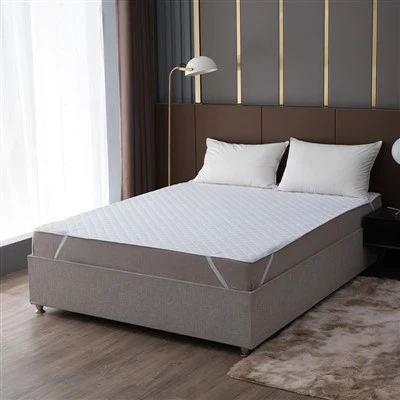
Now, if you’re someone who’s looking for a new bed sheet set to test this out with (or just want a set that’s easy to clean and stays soft), our team’s got tons of options. We make sets for every budget, from cooling sheets for hot sleepers to linen blends for people who love that relaxed, lived-in feel. If you have questions about which sheet material works best with a baking soda solution, or just want to chat about laundry hacks, feel free to reach out to our team for a procurement chat—we’re always here to help make sure your sheets last as long as possible, and you get the most out of your laundry routine.
Blanket References:
- Journal of Environmental Management. (2018). Efficacy of household cleaning agents against odor-causing bacteria on textile fabrics.
- Textile Research Journal. (2020). Effects of mild alkali cleaners on natural and synthetic fiber durability.
- American Cleaning Institute. (2021). Sodium Bicarbonate: Safe and Effective for Fabric Care.
Jiangsu Etang Household Products Co., Ltd.
We are one of the most professional bed sheet set manufacturers and suppliers in China. With abundant experience, we warmly welcome you to buy bulk premium bed sheet set made in China here from our factory. All customized products are with high quality and competitive price. Contact us for pricelist.
Address: No. 18 Nanhai Road, Siyang Economic Development Zone, Siyang County, Suqian City, Jiangsu Province
E-mail: etang216@js-et.com
WebSite: https://www.etangbedding.com/
