If you’ve ever stood in a hardware store next to a bin of foam pipe sleeves, you’ve probably grabbed a few to wrap water lines under your sink or keep hot water from cooling off in basement piping. But as a foam pipe sleeve supplier, I get questions all the time that stop me mid-step: “Can I use this on a gas line?” It’s not a random question—gas piping has unique, high-stakes requirements, and the last thing anyone wants is to pick the wrong insulation that could lead to safety risks or even code violations. Let’s break this down clearly, with the kind of real-world insight I’ve gained working closely with plumbers, HVAC technicians, and building inspectors over the past eight years in this industry. Foam Pipe Sleeve
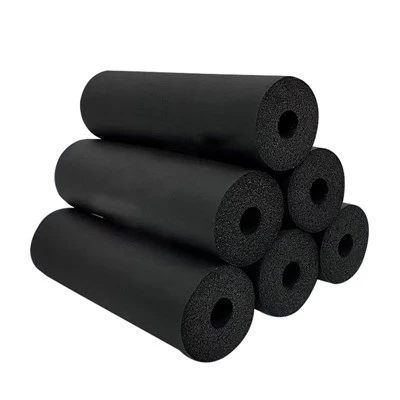
First, let’s start with the basics: what foam pipe sleeves are, and what they’re designed to do. Most foam pipe sleeves sold today are closed-cell, cross-linked polyethylene (XLPE) or polyurethane (PU) products, made specifically for insulating piping. Their core job is reducing heat loss (in hot water lines) or preventing condensation (in cold water lines) by creating a continuous thermal barrier around the pipe. They’re lightweight, easy to cut to size with a utility knife, slip right onto pipes, and have a self-sealing adhesive strip on the seam for a tight fit. That convenience is why they’re such a go-to for residential plumbing projects.
Gas pipes, by contrast, aren’t in the same category as water lines or HVAC refrigerant lines. Natural gas (the most common type used in homes) is lighter than air, odorized with mercaptan so leaks are easy to detect, and flammable—extremely so, when paired with the right amount of oxygen. Propane, another common gas, is heavier than air, so it can pool in low spaces like basements or crawl spaces, making leaks even more dangerous. So the first rule of any material used around gas pipes is that it has to meet strict safety standards, and its intended use can’t conflict with the purpose of gas piping.
Now, let’s get to the core question: can foam pipe sleeves be used on gas pipes? The short answer is: it depends on what the sleeve is made of, what type of gas line it is, and what local building codes say. But before I dive into that, let’s address the biggest misconception I hear: that any foam is just foam, so it’s fine to use. That’s wrong. Not all foam is created equal, and some foam pipe sleeves can actually be a problem for gas lines.
For one thing, many standard foam pipe sleeves are not rated for use near flammable materials. That means they might not be flame-resistant, which is a non-negotiable for anything within 18 inches or so of a gas line in a residential space. In a kitchen, for example, gas lines run to stoves, water heaters, and furnaces. If a leak were to occur, a non-flame-resistant foam sleeve could catch fire quickly, instead of self-extinguishing to give time to shut off the gas and evacuate. That’s a non-starter for most residential gas applications.
Then there’s the issue of vapor permeability. Some foam pipe sleeves, especially cheaper open-cell varieties, are porous to gases and moisture. For a cold water pipe, that’s a benefit—it prevents condensation that can cause water damage. But for a gas line, especially a natural gas line running outside or in a damp basement, porous foam can allow moisture to seep into the gap between the foam and the pipe. Over time, that moisture can cause corrosion on the steel or copper gas pipe. Corroded gas pipes develop small pinholes that lead to leaks, which is a major safety hazard. Closed-cell foam, on the other hand, is non-porous, so it blocks moisture and gases from seeping through. But even closed-cell foam isn’t automatically approved for gas lines.
Here’s where my experience as a supplier comes in: I’ve had plumbers come to me looking for foam pipe sleeves specifically for their gas line jobs, and I’ve had to walk them through the details that make a sleeve suitable or not. Let’s talk about the two most common scenarios for gas pipe insulation, and where foam fits in.
First, exterior gas lines. If you have a gas line running from your meter to your backyard grill, or along the outside of your home in a cold climate, the gas inside can lose heat enough to cause problems. Natural gas has a low boiling point, but in very cold temperatures, the pressure can drop, or the gas can condense into a liquid, which doesn’t flow as easily. For these lines, foam insulation can actually help—if it’s the right type. Specifically, closed-cell, flame-resistant foam pipe sleeves that are rated for outdoor use and meet National Fire Protection Association (NFPA) standards. These sleeves are built to resist temperature extremes (from -40°F to 210°F, for most industrial-grade foam) and won’t break down from UV exposure, which is key for exterior piping. They also create a tight seal that keeps moisture out, preventing corrosion on the pipe. I supply a line of these sleeves that’s specifically tested for use on natural gas and propane lines running outside, and they’re used regularly by HVAC companies in the northern US where winter temperatures drop well below freezing.
But here’s the big caveat: interior gas lines. For pipes running inside walls, around a furnace, or in a basement, foam pipe sleeves are generally not approved. Why? Because most interior gas lines are designed to be accessible. If a plumber needs to check for leaks, test pressure, or repair a line, they need to be able to easily remove any material around it. A thick foam sleeve can be a hassle to cut through, and if it’s glued in place, it can damage the pipe’s protective coating when removed. Worse, many interior gas lines are bare steel, and building codes in most US states require that they be exposed in at least 50 percent of the run to allow for visual inspection. Covering that entire run with foam violates that code, which is a big red flag.
Another factor: what if the foam sleeve itself is a source of ignition? Even if it’s flame-resistant, some lower-quality foam releases toxic fumes when burned, which can make escaping a gas leak situation harder. The foam sleeves I supply for gas lines are third-party tested to meet ASTM E84, the standard for surface burning characteristics, which means they have a low flame spread index and smoke development rating. That’s a must for any material used near gas in enclosed spaces.
I’ve also seen the other side of the argument, from people who say foam is never okay for gas lines. They’re right in many cases—for interior lines, or for any line in a space where the pipe needs to be accessible, foam pipe sleeves aren’t the right choice. But that doesn’t mean foam is never suitable. Let’s talk about alternatives to put this in perspective. For interior gas lines, the standard insulation is either specialty gas line tape (made of polyethylene or fiberglass, designed to wrap tightly without covering too much pipe) or just leaving the pipe bare. Some plumbers use a thin, semi-rigid foam wrap that’s easy to peel back, but it’s not the same as the thick foam pipe sleeves sold for water lines.
Wait, but what about flexible gas lines, the type used behind stoves? They’re often covered in a plastic jacket for protection, but that jacket isn’t insulation. If you’re in a cold climate, you might want to add a layer of insulation around them—but again, only if it’s the right foam. I’ve had a few customers with old mobile homes, where the gas lines run along the inside walls and get cold in winter, ask for foam pipe sleeves, and we recommend the thinner, closed-cell variety that’s not meant to be a permanent wrap but just to add a small amount of warmth to prevent pressure issues. It works, as long as they know to leave a section of the pipe exposed for inspection.
I should also address a common mistake people make: using foam pipe sleeves that are too thin, or not rated for gas. A few years ago, a homeowner came to me who had wrapped his outdoor gas line to his patio heater with standard foam sleeves from a big box store. He told me he’d seen a YouTube video saying it would save energy, but two weeks later, the foam had started to crack from UV exposure, and he’d had to repair a small leak that formed where the foam had pulled away from the pipe. That’s why it’s critical to buy foam pipe sleeves that are labeled for gas line use, not just general insulation. General foam sleeves aren’t designed to resist UV, so they break down quickly outside, leaving gaps where moisture and gas can seep through.
Another point: corrosion. As a supplier, I work with a lot of gas line installers, and corrosion is their biggest fear. A good foam pipe sleeve for gas lines creates a vapor barrier that keeps moisture away from the pipe. But if the sleeve is the wrong type, it can trap moisture instead of blocking it. Open-cell foam, for example, absorbs water like a sponge, so it will hold moisture against the pipe, leading to faster corrosion. That’s why I only supply closed-cell foam sleeves for gas applications—they’re moisture-resistant, so they keep the pipe dry without trapping water.
Let’s also talk about code, because that’s non-negotiable. If you’re using foam pipe sleeves on a gas line, you need to check your local building code, which is set by agencies like the International Residential Code (IRC) in the US. The IRC has specific rules about what materials can be used around gas lines, requiring them to be non-combustible or flame-resistant, and allowing only materials that don’t interfere with inspection or access. Most codes will approve closed-cell, flame-resistant foam for exterior gas lines, but will not approve it for interior lines where access is required. That’s a line I never cross as a supplier—I always make sure my customers know when a sleeve is approved for what use.
So, to wrap this up (pun intended), the answer to “Can foam pipe sleeves be used in gas pipes?” is: yes, in specific, well-defined cases, as long as you choose the right product, follow safety standards, and adhere to local building codes. Standard, non-rated foam pipe sleeves for water lines are not suitable for gas lines, especially indoors. But closed-cell, flame-resistant, gas-approved foam sleeves are a valid choice for exterior gas lines in cold climates, where insulation is needed to maintain gas pressure and prevent condensation.
Now, if you’re a plumber, HVAC technician, or property manager looking for foam pipe sleeves that meet all the safety and code requirements for gas line applications, or if you’re not sure which type is right for your job, reach out to my team. We’ve spent years testing and supplying foam pipe sleeves for all types of residential and commercial piping, and we can help you pick the right product for your specific needs, no guesswork required.
Foam Pipe Sleeve References
International Residential Code. 2021. National Fire Protection Association. NFPA 54: National Fuel Gas Code. ASTM International. ASTM E84: Standard Test Method for Surface Burning Characteristics of Building Materials. Cross-Linked Polyethylene Foam Insulation Standards. American Society of Heating, Refrigerating and Air-Conditioning Engineers. ASHRAE Handbook: HVAC Applications.
Langfang Aolesi Thermal Insulation Materials Co., Ltd.
As one of the most professional foam pipe sleeve manufacturers and suppliers in China, we also support customized service. Please feel free to buy bulk high quality foam pipe sleeve made in China here from our factory. For pricelist, contact us now.
Address: Dongwang Village, Dacheng County, Langfang City, Hebei Province
E-mail: Lfaolesibaowen@outlook.com
WebSite: https://www.lfaolesi.com/
