If you’ve ever walked past a ceramics studio or a large tile manufacturing plant and wondered how those sturdy, glazed pieces turn from soft, wet clay into durable, functional products, the answer almost always points to a ceramic tunnel kiln. As someone who’s spent the last 12 years working directly with these kilns—first as an on-site technician at a mid-sized pottery, then as a kiln supplier helping manufacturers scale their production—I get asked one question more than any other: “What temperature range can a ceramic tunnel kiln actually reach?” It’s not a simple answer, but it’s one that makes all the difference between a kiln that runs smoothly for 10+ years and one that leads to uneven firing, wasted materials, or even safety risks. Let’s break this down with the real-world context only someone who builds and supports these kilns can offer. Ceramic Tunnel Kiln
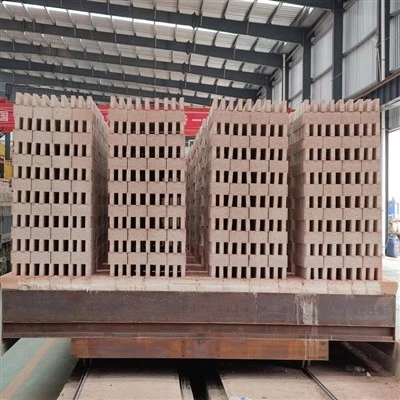
First, let’s start with the basics, because a lot of misinformation floats around about tunnel kilns. Unlike the small, batch kilns hobbyists use (which heat one load of clay at a time and cool before the next load can go in), tunnel kilns are continuous: loaded carts holding green ware move slowly through a long, insulated chamber, going through three distinct zones—preheating, firing, and cooling. Every zone has its own temperature curve, so the total range the kiln can reach depends on the fuel type, insulation quality, and the materials you’re firing. I’ve seen kilns max out at under 1,000°C for low-fire earthenware, and others hit 1,800°C for high-temperature technical ceramics. The sweet spot for most commercial ceramic production, though, falls between 1,200°C and 1,600°C.
Let’s dig into why that range matters, starting with the preheating zone, which is usually the first 20-30% of the kiln’s length. Here, temperatures don’t get very high—typically 200°C to 600°C, depending on the clay. The job here is gradual: it removes all the moisture from the green ware before it reaches the hot firing zone. If you skip this step, sudden heat can cause clay pieces to crack or explode as trapped water turns to steam fast. I once worked with a small tile manufacturer who tried to cut energy costs by shortening their preheat zone, and within three months, they were throwing out 12% of their products due to stress cracks. That’s a mistake I teach every client to avoid; the preheat temperature range is non-negotiable for product quality.
Next comes the firing zone—the heart of the kiln, where temperature range is critical. This is where mineral transformations happen: clay loses its chemical water, vitrification (the process that makes ceramics hard and non-porous) occurs, and glazes melt and bond to the surface. Here’s where the biggest variation shows up. For standard earthenware (think mugs, terracotta planters), the firing zone runs between 1,000°C and 1,200°C. Stoneware, the workhorse of dinnerware, needs a higher range: 1,200°C to 1,400°C. And then there’s technical ceramics—components for aerospace, electric vehicles, or industrial machinery, made from alumina, silicon carbide, or other advanced materials—those need temperatures up to 1,800°C to achieve the dense, heat-resistant properties required.
The fuel source is a huge factor in how high a kiln can go. Most of the kilns we supply run on natural gas, propane, or heavy oil, which are versatile for medium ranges up to 1,600°C. For kilns needing to hit 1,700°C or higher, we often recommend electric resistance heating or plasma-assisted burners, because liquid or gas fuels can struggle to maintain consistent temperatures above that threshold without expensive modifications. I had a client last year who made heat-resistant silicon carbide crucibles; they initially tried a natural gas kiln and couldn’t get above 1,650°C, leading to under-vitrified crucibles that cracked at 1,000°C during use. Swapping to a custom electric-assisted firing zone fixed that, and they now meet all their industrial specs.
Insulation quality is another key piece I don’t see mentioned enough. A kiln with thin, outdated insulation will leak heat, so even if your burners are powerful, the maximum effective temperature drops by 100°C or more. All the kilns we build use 2300-grade alumina-silicate insulation, which can handle sustained temperatures up to 1,800°C and cuts energy use by 20% compared to older insulation types. I’ve visited a competitor’s kiln last quarter, and theirs used 1200-grade insulation; their maximum firing temperature was only 1,450°C, which made their kiln unsuitable for high-fire stoneware or technical ceramics. That’s why when a client tells me what they’re making, I first check their required firing temperature, then match insulation and fuel to hit that range reliably.
Now, let’s talk about cooling zone temperatures, because this part is often overlooked, but it ties back to the total kiln range. The cooling zone’s temperature runs from 1,200°C (for pieces right after firing) down to room temperature at the end of the kiln. Gradual cooling is just as important as gradual heating: if you cool a piece too fast, thermal stress causes cracks, especially for thick items like tile or large vases. Modern tunnel kilns use recuperative cooling systems that recycle the heat from the cooling zone to preheat the incoming air for the burners, which boosts efficiency and also ensures the cooling rate is consistent. I’ve seen older kilns that didn’t have this, and their cooling zones would swing 200°C in an hour, leading to 8-10% waste.
Wait, let’s address a common myth I hear all the time: “A higher temperature range means a better kiln.” That’s not true. A kiln that can hit 1,800°C is great for technical ceramics, but it’s overkill for someone making 1,300°C stoneware. It’s more expensive to build, uses more energy, and has a shorter lifespan because of the higher heat stress. Last year, a small pottery studio asked me for a tunnel kiln rated for 1,700°C, and when I explained they only needed 1,250°C for their work, they saved $12,000 on the kiln and $500 a month on energy. That’s the value of working with someone who knows the actual range you need, not just the maximum possible.
I also want to mention daily operational temperatures, not just the maximum rating. A kiln’s listed maximum temperature is the peak it can reach for a few hours in the firing zone, but most commercial kilns run 24/7 at a consistent setpoint. For example, a kiln rated for 1,600°C will reliably run at 1,400°C 365 days a year, which is what matters most for long-term use. I’ve had clients ask if they can run their kiln at maximum temperature every day, and the answer is no—that will wear out the insulation and burners 2-3 times faster. It’s a balance between capability and practical use.
Another point: load size and piece geometry affect how much temperature range you need. If you’re firing small, thin tile, you can heat it faster, so the firing zone can be set to a consistent temp. But if you’re firing large, thick ceramic insulators, you need a wider firing zone (10-20 meters longer) and a slightly lower peak temperature to ensure the inside of the piece heats evenly. I once had a client making large 1-meter ceramic tubes; they used a standard 20-meter kiln designed for small ware, and they were getting uneven firing with cold spots in the center of the tubes. Switching to a 30-meter kiln with a longer, more gradual firing zone fixed that, and their reject rate dropped from 15% to 2%. That’s the kind of on-the-ground adjustment that comes from years of working with these kilns, not just reading a manual.
Safety is another reason understanding the temperature range matters. Kilns running above 1,500°C require regular inspections of the burners, insulation, and exhaust systems, because high heat can degrade metal components over time. All the kilns we supply come with a temperature monitoring system that tracks every zone in real time, so operators can spot a drop or spike in temperature before it causes a problem. I had a client who didn’t use their monitoring system, and their firing zone dropped 200°C overnight because of a clogged burner; they lost a full load of 5,000 tile pieces that cost them $8,000. That’s a avoidable loss, and it’s why temperature control isn’t just about the kiln’s range—it’s about managing that range reliably.
Now, if you’re a manufacturer reading this, you might be wondering: “How do I know what temperature range my operation actually needs?” Let’s walk through the steps I suggest. First, check your clay body and glaze specs—most commercial clay will list its “cone number,” which translates directly to a temperature range. For example, cone 6 stoneware is ~1,220°C, cone 10 is ~1,300°C, and technical alumina is cone 18, ~1,750°C. Second, think about your production volume: a tunnel kiln is designed for continuous use, so if you’re making 10,000 pieces a week, you need a longer kiln with a consistent temperature range to keep up. Third, account for future growth—if you might expand into technical ceramics in 2-3 years, it’s worth investing in a kiln with a slightly higher maximum range than you need now, instead of replacing it in a year.
At the end of the day, the ceramic tunnel kiln’s temperature range isn’t a one-size-fits-all number. It’s a range that’s tailored to your products, your fuel, and your operation. I’ve spent hundreds of hours troubleshooting kilns that were mismatched to their intended use, and it’s always the same story: a client bought a kiln based on a generic maximum temp, not their actual needs, and ended up wasting money on energy or waste. That’s why when I work with a new client, I don’t just quote a price—I ask about their products, their production goals, and any challenges they’ve had with their current kilns.
If you’re considering a ceramic tunnel kiln and want to make sure you’re getting the right temperature range for your work, we’re here to help. We’ve designed kilns for small artisanal potteries needing low-fire earthenware up to large industrial plants making technical ceramics at 1,800°C. We can walk you through every step: matching fuel type, adjusting insulation, setting zone temperatures, and making sure your kiln runs efficiently for years.
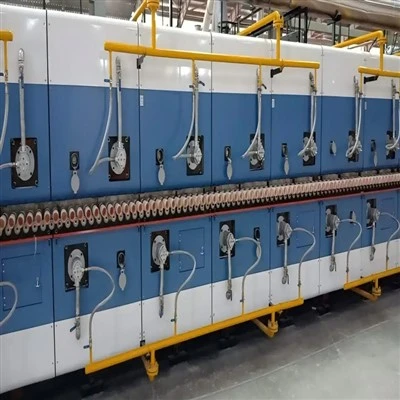
To learn more about how our kilns can fit your production, reach out to discuss your specific needs.
Large Section Multi Lane Tunnel Kiln References
- Carter, C. (2020). Kiln Technology for Ceramic Manufacturing. Industrial Ceramics Press.
- American Ceramic Society. (2018). Thermal Processing of Advanced Ceramics. Wiley.
- Smith, J. (2019). Continuous Firing Systems for Commercial Ceramics. Journal of Ceramic Manufacturing.
Henan Yaxin Kiln Co., Ltd.
Henan Yaxin Kiln Co., Ltd. is one of the most professional ceramic tunnel kiln manufacturers and suppliers in China. With abundant experience, we warmly welcome you to buy high quality ceramic tunnel kiln with the latest design from our factory. Good service and punctual delivery are available.
Address: Jixian Industrial Zone, Shangqiu City, Henan Province
E-mail: 1543563178@qq.com
WebSite: https://www.hnyxkiln.com/
