When I first started my career as an acidity regulator supplier over a decade ago, I’ll admit I viewed our products through a narrow lens: they were tools, plain and simple. Tools that helped food and beverage manufacturers adjust pH levels, extend shelf life, improve flavor stability, and even enhance texture in everything from soft drinks to baked goods. But as I’ve talked to food scientists, regulatory officials, and even small-batch craft producers over the years, I’ve learned that acidity regulation isn’t just about function—it’s about ethics. Every time a client places an order with us, there’s a conversation we need to have beyond price and delivery timelines: one about the responsibility that comes with supplying ingredients that touch what people eat every single day. Acidity Regulators

Let’s start with the basics, because not everyone knows exactly what acidity regulators are. Unlike artificial colors or flavors, acidity regulators work quietly behind the scenes to balance pH in a product. They’re used to lower acidity (like adding sodium citrate to balance the tartness of a fruit juice) or raise it (calcium lactate in some processed meats to slow bacterial growth). That balance isn’t trivial: a product with an unstable pH can spoil quickly, leading to food waste, or create an unsafe environment for harmful pathogens like E. coli or Salmonella. So in one sense, our products are unsung heroes of food safety. But that’s also where the ethical line gets tricky—because “safe” can mean different things to different stakeholders.
First and foremost, there’s the question of consumer health, and it’s a conversation that evolves as science advances. A decade ago, many of the acidity regulators we supply were generally recognized as safe (GRAS) by global regulatory bodies like the FDA and EFSA. But as public awareness of added ingredients grows, so does scrutiny. For example, some consumers now seek out products with “clean labels,” and terms like “sodium citrate” or “potassium acetate” might as well be foreign to someone scanning a nutrition panel. That’s not to say these ingredients are harmful; multiple studies have confirmed they’re metabolized by the body without adverse effects in standard consumption amounts. But here’s the ethical catch: do we, as suppliers, owe clients transparency about what’s in our products beyond just regulatory compliance? I’ve had small craft beverage makers come to us frustrated because they want to use natural acidity regulators (like citric acid from fermented fruit) instead of synthetic alternatives, but they’re not sure how to source them or if they meet their quality standards. We don’t just sell them a chemical mix—we offer guidance, because skipping that step would mean they might mislabel their products or make choices that don’t align with their customers’ values.
Then there’s environmental impact, a part of the conversation that I think is too often overlooked. Acidity regulators aren’t made in a vacuum. Many synthetic options are derived from industrial processes that use significant energy and generate waste. For instance, phosphoric acid, one of the most widely used acidity regulators in soft drinks, is produced via mining phosphate rock—a process that can disrupt local ecosystems, contaminate water sources, and emit greenhouse gases. As a supplier, we’ve had to confront this: a few years back, we started shifting a portion of our inventory to plant-based acidity regulators, like lactic acid from sugarcane fermentation and malic acid from apple pomace. But that shift isn’t just about being “greener”; it’s about ethical responsibility to the planet that supplies our raw materials. We also work with our clients to help them reduce the total amount of acidity regulators they use, because less input means less environmental footprint. It’s a collaborative approach, not a one-way sale—and that’s the right way to do business.
Another ethical consideration is equity in the supply chain. Many of the raw materials for acidity regulators come from global markets, often in low-income regions. For a long time, the industry operated on a race to the bottom when it came to sourcing costs, which meant farmers and workers involved in growing or processing these materials were paid very little. A few years ago, we audited one of our key suppliers of citric acid from corn in the Midwest, and discovered that the workers harvesting the corn were earning less than a living wage. That wasn’t acceptable to us, so we worked with the supplier to implement a fair wage program and invest in community resources like clean water access for the farming towns. It cost us more in the short term, but it was the ethical choice. Now, we prioritize suppliers that adhere to fair labor practices, and we make sure our clients know that when they buy from us, they’re not just getting a product—they’re supporting a supply chain that values people as much as profit.
But what about the role of acidity regulators in processed food excess? Here’s a point that’s come up in conversations with public health experts: acidity regulators are often used in highly processed foods, which are linked to chronic health issues like obesity and type 2 diabetes. Critics argue that by allowing manufacturers to extend shelf life and enhance flavor, acidity regulators contribute to a culture of overconsumption of ultra-processed products. As a supplier, I can’t control how manufacturers use our products, but I can control how I frame their use. We don’t supply our acidity regulators to companies that use them to replace real ingredients in ways that make unhealthy products more appealing—like adding excessive acidity to sugary snacks to make them taste better. Instead, we encourage our clients to use our products to enhance wholesome foods: for example, helping a canned vegetable producer adjust pH to reduce the need for excessive preservatives, or a dairy brand balance acidity to cut back on added sugars. It’s a small way to push the industry toward more ethical use, rather than just selling to the highest bidder.
Regulatory compliance is another part of the ethical equation, and it’s not as straightforward as it sounds. Every country has different rules for acidity regulators: what’s allowed in the EU might be restricted in Australia, or labeled differently in Canada. A few years back, a client in Asia ordered a batch of sodium malate, but didn’t realize that their local regulations required additional testing for trace contaminants. We stepped in, worked with a third-party lab to complete the testing at our cost, and helped them navigate the local regulatory process. That’s not just good customer service—that’s ethical. We owe it to our clients to ensure our products meet all applicable standards, and to be transparent about any regulatory nuances that could affect their business. Cutting corners on testing to save money would put our clients at risk of fines or product recalls, which is a breach of trust.
There’s also the matter of product safety and misinformation. With the rise of social media, there’s a lot of misinformation about acidity regulators online—claims that they’re toxic, or linked to specific health conditions, that aren’t backed by peer-reviewed research. As a supplier, we have a responsibility to share accurate, science-based information, not just marketing fluff. We’ve created a library of resources for our clients, including white papers from food science experts, summaries of regulatory safety assessments, and case studies on best practices for using our products. We’ve also trained our sales team to answer questions honestly, even if it means admitting we don’t have an answer on a specific topic and will follow up with a food scientist. That builds trust, which is more valuable than any single sale.
Now, I know some might say that as a supplier, my role is just to provide the products, not to police how they’re used. But I’ve learned over the years that ethical business isn’t about avoiding responsibility—it’s about embracing it. When a small bakery comes to us wanting to use acidity regulators to make their sourdough bread more consistent, we don’t just sell them a bottle of lactic acid. We explain how to use it in the right amount, how to combine it with their existing fermentation process to avoid over-acidifying, and even where to source organic versions if that’s important to their customers. When a beverage manufacturer wants to reduce sodium in their product by using potassium-based acidity regulators instead of sodium, we share research on how to balance flavor to ensure the change doesn’t hurt consumer acceptance. These are the moments where our role goes beyond supplier to partner—and that’s the ethical standard we need to uphold.
Of course, there are challenges. We operate in a competitive market, where some suppliers cut corners on safety, ethics, or environmental impact to undercut prices. But we’ve found that clients are willing to pay a fair price for products that come with transparency and accountability. Last year, we lost a big order to a competitor who offered a lower price, but later that year, the competitor was fined for using a non-GRAS acidity regulator in a popular product. We got a call from that client, asking if we could supply them, because they couldn’t trust the competitor anymore. That’s when I knew we were on the right path: ethics isn’t just about doing good—it’s about building long-term relationships based on trust, which is the foundation of any successful business.
Looking ahead, the conversation around acidity regulators will only grow. As consumers demand more clean label, sustainable, and ethically produced food, our industry has to evolve. We’re investing in R&D for new, plant-based acidity regulators, reducing our carbon footprint in manufacturing, and expanding our fair labor sourcing programs. We’re also working with food advocacy groups to create guidelines for responsible use of acidity regulators, so that manufacturers have a clear framework for using these products ethically.
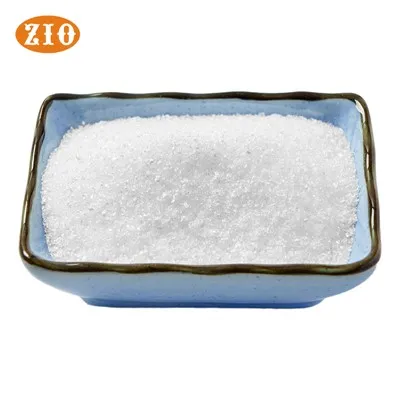
At the end of the day, being an acidity regulator supplier isn’t just about selling ingredients. It’s about playing a role in the global food system—one that needs to balance efficiency, safety, profitability, and responsibility. Every time we help a client choose the right regulator, reduce their environmental impact, or navigate regulatory requirements, we’re making a small but meaningful difference. If you’re a food and beverage manufacturer looking for a supplier that prioritizes science, ethics, and partnership, we’d welcome the chance to discuss your needs and work together.
Food Additives References
- U.S. Food and Drug Administration. (2023). Generally Recognized as Safe (GRAS) Notifications for Acidity Regulators.
- European Food Safety Authority. (2022). Scientific Opinion on the Safety of Acidity Regulators for Use in Food.
- Food and Agriculture Organization of the United Nations. (2021). Sustainability of Acidulant Production and Use in Global Food Systems.
- World Health Organization. (2020). Ultra-Processed Foods and Public Health: A Review of Evidence.
- International Organization for Standardization. (2019). ISO 22000: Food Safety Management Systems for Suppliers of Food Additives.
Guangzhou ZIO Chemical Co., Ltd.
As one of the most professional acidity regulators manufacturers and suppliers in China, our products have good reputation in the market. With abundant experience, we warmly welcome you to buy bulk acidity regulators for sale here and get free sample from our factory. For price consultation, contact us.
Address: 5th Floor, Building 1A, Runnong Business Center, No.2 Huangcun Road, Dongpu Town, Tianhe District, Guangzhou
E-mail: alice.liu@gzzio.com
WebSite: https://www.zio-ingredients.com/
