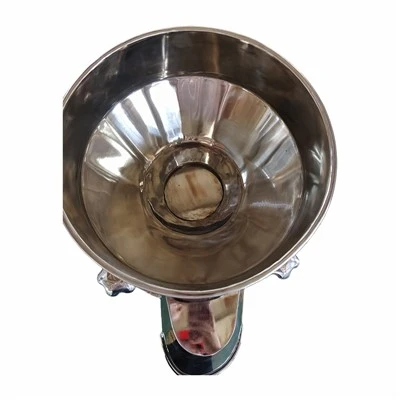
If you’re reading this, chances are you’ve just taken delivery of a new bottle filling machine and are staring at a shiny, intimidating piece of stainless steel equipment in your production floor. You know it will cut down on manual labor, reduce product waste, and scale your output—once your team knows how to use it safely and efficiently. As a bottle filling machine supplier, I’ve spent the last 12 years walking hundreds of manufacturing teams through this exact process, and I’ve learned that the best training isn’t just a 30-minute demo and a printed manual. It’s a structured, hands-on program that meets your team where they are, builds confidence, and turns a potentially scary piece of equipment into their most reliable production workhorse. Let me break down exactly how to train your employees to use a bottle filling machine, step by step, with lessons I’ve picked up working with small craft beverage makers, mid-sized personal care brands, and large food processing facilities. Bottle Filling Machine
First, before you even power on the machine, you need to lay the foundation with pre-training prep that accounts for every employee’s background. I once trained a team at a small local kombucha brewery where half the crew was in their teens and had never operated anything more complex than a home espresso machine, and the other half had been bottling soda by hand for 20 years. A one-size-fits-all demo would have left the new hires confused and the veterans bored. So start by categorizing your team into three groups, no matter the industry: entry-level operators, tenured line leads, and maintenance staff. Entry-level folks will need extra time on basic setup and troubleshooting small issues, line leads will focus on quality control and fast problem-solving during runs, and maintenance staff will go deeper into electrical and mechanical overhauls. You can also share pre-training materials 48 hours in advance—short 2-minute animated clips we provide as a supplier, a printed guide with key safety terms, and a quick quiz to test what they already know (e.g., “What’s the biggest risk when overfilling bottles?”). This cuts down on wasted training time and lets you tailor your in-person session to gaps, not basics.
Next, master the “safety first” segment—this is non-negotiable, and where I see almost every training session go wrong. Too many teams rush through safety to get to the “fun” part of filling bottles, but a bottle filling machine moves at 60, 100, even 200 bottles per minute, and missteps can lead to crushed fingers, spilled product, or even chemical burns if you’re filling liquid soap or cleaning supplies. Start with the machine’s emergency stop (E-stop) button: point it out, practice pressing it with one hand while the machine is moving, and explain that it’s there for a reason—no task is so urgent that rushing past safety is worth it. We’ve had customers tell us stories of an employee ignoring the E-stop to clear a jam and ending up with a broken wrist, so I always emphasize that the E-stop is the only “rule” that never has an exception. Then cover lockout/tagout (LOTO) procedures, especially if your team is performing maintenance or deep cleans: LOTO means turning off the power, locking the machine with a unique key, and only removing the lock when that same person is ready to start work again. For teams handling food or beverage products, add a section on personal protective equipment (PPE): non-slip shoes, gloves to avoid skin irritation from sugary or acidic products, and hairnets or beard covers to keep contaminants out. I even bring a sample of a damaged glove or a small piece of crushed plastic from a jam to make safety feel real, not just a list of rules.
Once safety is second nature, move into hands-on setup, which is the part that makes or breaks fill consistency. I always recommend using “practice bottles” for this step—empty, clean containers that aren’t going to hold your actual product, so mistakes don’t lead to waste. Start with the basic parts of the filling machine: the infeed conveyor (where bottles come in), the filling heads (the nozzles that dispense product), the cap tightener, and the outfeed conveyor. Walk each employee through adjusting the fill volume: on our machines, this is done with a simple dial, but many new operators don’t realize that the dial needs to be calibrated for different bottle sizes—a 12-oz kombucha bottle will have a different dial setting than a 16-oz craft soda. Let every employee adjust the dial themselves, fill a practice bottle, and measure it with a measuring cup to confirm accuracy. For machines that handle different product viscosities (like thick lotion vs. thin juice), show how to adjust the flow rate: too fast and product overflows, too slow and you fall behind on production. I also teach a quick test: if a fill takes more than two seconds per bottle, slow the flow rate down; if it’s less than half a second, speed it up. This is a rule of thumb that works for 90% of products and helps new operators build intuition without guesswork.
After setup moves smoothly, it’s time to do a full test run with practice bottles. This is where you teach troubleshooting for small, common issues that will come up on every production run. Start with jams—these are the most frequent problem new operators face. Show how to stop the machine with the E-stop, wait for all moving parts to stop completely (I always say “count to three before reaching in”), and gently clear the jam without forcing anything. I’ve seen people yank a jammed bottle and break plastic parts, so I emphasize patience. Next, teach how to spot fill inconsistencies: a bottle that’s too full (product spilling over the rim) or too empty (not meeting the label’s fill line). For these, show how to check the fill head for clogs—sometimes a small piece of debris from a practice bottle will block a nozzle, leading to uneven fills. Another common issue is bottles misaligning on the infeed conveyor; teach operators to adjust the side guides so bottles fit snugly but can move freely, no wiggling. For line leads, add a step here: teaching them to log fill inconsistencies in a quick digital form (we provide this as part of our machine’s companion software) so you can track trends over time, like if a specific nozzle starts clogging every Monday.
Once everyone is comfortable with practice runs, transition to a supervised full run with actual product. This is the final step before they’re cleared to operate the machine alone, and it’s where confidence really builds. Assign each employee a specific role during the run: one manning the E-stop, one monitoring fill levels, one checking for cap tightness (loose caps lead to leaks, over-tightened caps can crack plastic bottles), and one logging any issues. For the first 10 minutes of the live run, stay nearby and step in only if there’s a safety risk or a major problem. If an employee makes a small mistake—like a slightly off fill level—correct it calmly, don’t shame them; I’ve seen teams shut down after one mistake because they felt nervous about messing up. At the end of the first run, celebrate small wins: “No major jams, fill levels are 98% on target—that’s perfect for your first time.” For tenured line leads, you can skip some of the basic steps here and focus on optimizing run time—like adjusting the conveyor speed to keep up with other lines, or swapping out parts quickly when changing bottle sizes. For maintenance staff, add deep dive training: how to clean the filling heads with a specific food-grade cleaner, how to lubricate moving parts to reduce wear, and how to spot early signs of mechanical issues (like unusual noises or wobbly parts) before they cause downtime.
One thing I’ve learned from working with dozens of customers is that training doesn’t end on day one. The best programs include ongoing refreshers, because even experienced operators forget small details, especially when you’re switching between product types or bottle sizes. I recommend a 30-minute refresh session every month for the first three months, covering common issues that come up. For example, if your team is switching from glass bottles to plastic ones, the refresh session can focus on adjusting the side guides to avoid cracking plastic. We also provide 24/7 support for our customers, and we’ve found that a quick 10-minute video call to walk an operator through a jam or a fill adjustment solves 90% of small problems, so they don’t have to shut down the line for hours. Another great tool is a peer mentorship program: pair a new operator with a tenured team member who has mastered the machine, so they can ask questions on the floor without interrupting production or waiting for a trainer.
I also want to address a common misconception: you don’t need a team of engineers to operate a modern bottle filling machine. Our machines are designed with user-friendly interfaces, large, easy-to-read displays, and safety guards that prevent most accidents. The key is to train your team to see the machine as a tool, not a mystery. For example, many new operators are intimidated by the digital control panel, so I teach them to use presets: save settings for each bottle and product type, so they don’t have to adjust the dial every time you switch between a 12-oz iced tea and a 16-oz lemonade. This cuts down on mistakes and makes the machine feel less complex.
If you’re still in the process of choosing a bottle filling machine, the training process I just outlined is something to ask your supplier about. The best suppliers don’t just deliver the equipment and disappear—they provide tailored training materials, hands-on sessions, and ongoing support that fits your team’s experience level. We’ve had customers who tried to train their team on their own with a generic manual, and they ended up with wasted product, production downtime, and even safety incidents. When they switched to our machines and our training program, they saw a 20% reduction in jam-related downtime in the first month, and their team was able to scale production without hiring extra staff.
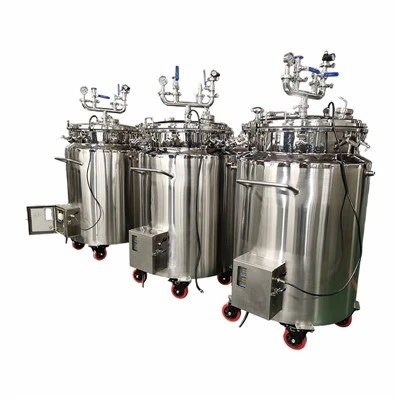
Now, if you’ve already got a machine and are looking to refresh your training program, or if you’re ready to invest in a new bottle filling machine that’s built for your team’s needs, reach out to our team to discuss your specific operations. We can walk you through our training modules, adjust them for your product types and bottle sizes, and make sure your team feels confident and safe operating the equipment.
CheckWeigher References:
- Occupational Safety and Health Administration (OSHA). Machine Guarding Requirements for Industrial Manufacturing. U.S. Department of Labor, 2022.
- Food and Drug Administration (FDA). Current Good Manufacturing Practices (CGMP) for Food and Beverage Operations. FDA, 2021.
- National Institute for Occupational Safety and Health (NIOSH). Safety Guidelines for High-Speed Packaging Equipment Operation. NIOSH, 2020.
- Bottle Filling Machinery Manufacturers Association (BFMA). Operator Training Best Practices for Automated Filling Systems. BFMA, 2023.
Wenzhou Vitol Machinery Co., Ltd.
As one of the most professional bottle filling machine manufacturers and suppliers in China, we have world-leading production equipment and strong manufacturing capabilities. Please rest assured to buy customized bottle filling machine made in China here from our factory. Also, quotation is available.
Address: #16 Yongen Road, Longwan Area, WenZhou, Zhejiang, China
E-mail: leapeng01@gmail.com
WebSite: https://www.vitolsoftgel.com/
