Hey everyone, if you’ve ever browsed instant hijabs late at night trying to find the perfect last-minute addition to your outfit, you’ve probably had the same question cross your mind: “Do instant hijabs have elastic edges?” I get it—when you’re scrolling through product photos at 10 PM after a long day, you don’t want to waste time guessing if that “no-fuss” style will actually stay put. As someone who’s been in the instant hijab game for over 7 years now, running a small supply brand that works with boutique stores and online shops across North America and Europe, I’ve answered this question way more times than I can count. Today, I’m breaking it down for you—no fancy jargon, just real, tested facts, and the straight talk I give to every retailer and customer who hits up our DMs. Instant Hijab
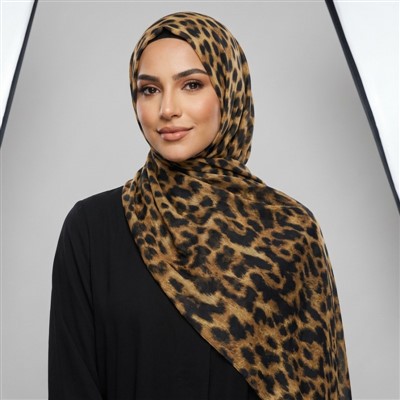
First, let’s get one thing straight: not all instant hijabs are made the same. That’s the biggest mistake people make when they ask if they have elastic edges—they’re treating every instant hijab like it’s identical, and trust me, it couldn’t be further from the truth. When I started this supply business back in 2016, I sourced a batch of instant hijabs from a new factory that promised “no hassle for wearers.” Turned out, those had a thin, stretchy nylon edge that felt amazing at first—they hugged the chin perfectly, stayed up during a quick grocery run, no pins needed. But the problem? The elastic wasn’t sewn in right; after 5 washes, it started curling, bunching, and even snapping for a few customers. I had to do a full recall of that batch, and that’s when I learned that elastic edges aren’t a one-size-fits-all feature—they’re a choice, and a big one, that depends on who’s wearing the hijab, how they plan to wear it, and what the brand’s priorities are.
Let’s start with the basics of what an instant hijab even is, for anyone new here. An instant hijab (sometimes called a pre-sewn hijab, pull-on hijab, or ready-to-wear hijab) is designed to cut out the time, pins, and layers you usually need to style a traditional hijab. Most are made from a single piece of fabric, sometimes with a layer of mesh or stretch for coverage, and they fit over your head like a cap—no wrapping required. The edge refers to the band that sits under your chin or across your forehead, right? That’s where elastic comes into play.
So, do some have elastic edges? Absolutely. And they’re actually one of the most popular styles we supply right now—for good reason. Let’s talk about why elastic edges work for a lot of wearers. First, they’re low-effort. If you’re a mom running out the door with kids, or someone who works a long shift and doesn’t want to adjust your hijab every time you bend over to grab something, elastic edges are a game-changer. They stay secure without using pins or clips, which is huge for people who hate having to carry accessories around. Second, they’re accessible for people who might struggle with traditional wrapping—maybe fine motor skills make manipulating fabric hard, or you’re new to wearing hijabs and haven’t mastered the art of tucking and pinning. Elastic edges take all that guesswork out.
But here’s the catch: not all elastic edges are created equal. The ones we now use for our top-selling elastic-edge instant hijabs are what we call “encased elastic.” That means the elastic is sewn inside a thin strip of the same fabric as the main hijab, not just glued or stitched on top like that terrible first batch I messed up. Encased elastic doesn’t curl, it’s less likely to snap, and it feels way more comfortable against your skin—no scratchy elastic digging into your jawline. We tested three different types of elastic for our line a few years back: thin 1mm elastic, 2mm, and a thicker 3mm. The 2mm was the sweet spot—stretchy enough to fit most head sizes (we make one size that works for 90% of our customers) but not so tight that it gives you a headache after an hour of wear. A lot of our retail clients say this is the biggest feedback they get from their customers—no more sore heads from too-tight elastic, no more slipping off because it’s too loose.
Now, let’s talk about the flip side: not all instant hijabs have elastic edges, and that’s not a bad thing. Some brands make instant hijabs with non-elastic edges, usually finished with a rolled hem or a bias tape stitch. Why? A few reasons. First, some wearers prefer a more “custom fit” that they can adjust with subtle tucks or pins. Elastic edges can feel restrictive to people who like to style their hijab in different ways—one day they want it loose around the face, the next they want it more covered, and elastic doesn’t let them play with that as much. Second, some fabrics don’t pair well with elastic. If you’re using a flowy chiffon or a heavy crepe fabric, elastic can make that edge look bulky or bunch in a way that ruins the flow of the hijab. That’s why our line has three different styles: elastic-edge (for low-effort, secure wear), no-hem edge (for styling flexibility), and a mesh-edge option for hot weather that has a thin, breathable stretch panel instead of full elastic.
I get that a lot of people are worried about durability with elastic edges, and honestly, that’s the number one concern we hear from retailers when we pitch these styles. “Will the elastic hold up after multiple washes?” is a question we answer in every meeting. Our current elastic-edge hijabs are pre-washed and pre-stretched during manufacturing, so the elastic doesn’t shrink or sag after the first few washes. We also recommend that customers hand wash or use a gentle cycle with cold water, and avoid fabric softeners—fabric softeners can break down the elastic over time, just like they do in any stretchy clothing. We’ve had customer reviews that say they’ve worn the same elastic-edge hijab for over two years, washing it once a week, and the edge is still as stretchy as the day they bought it. That’s way better than the cheap elastic we used back in 2016, so we’ve come a long way in terms of quality.
Another thing I’ve noticed, especially since we started supplying to retailers in the Middle East and Southeast Asia, is that elastic edge preferences vary by region. For example, in the UK and parts of the US, wearers love elastic edges for work, because they don’t have to adjust their hijab during meetings or commutes. But in places like Malaysia, where hot and humid weather is year-round, a lot of customers prefer non-elastic edges because they’re more breathable and don’t trap heat around the forehead. We’ve had to adjust our line to cater to that, which honestly has been one of the most fun parts of running this supply business—learning about what different communities need, not just what sells.
Wait, let’s address a common myth I see all over social media: elastic edges look “too casual” or “amateur.” I hear this so often, and it drives me a little crazy because it’s not true. When the elastic is encased properly, it looks like a neat, finished edge, not a stretchy band. Our elastic-edge hijabs are made with fabrics that look sleek—satin, crepe, matte jersey—so you can wear them to a wedding, a job interview, or a casual day out, and no one will be able to tell they have elastic unless you point it out. We’ve had retail clients send us photos of their customers wearing our elastic-edge hijabs with tailored suits and formal dresses, and they look absolutely stunning. It’s all in the construction, not the feature itself.
Let’s also talk about fit, because that’s tied directly to whether elastic edges work for you. We always advise customers to check their head size before buying an elastic-edge instant hijab. Most of our elastic-edge styles fit head circumferences between 21 and 24 inches, which is the standard size for adults, but if you have a smaller or larger head, we work with our factory to adjust the elastic length. For plus-size wearers, we also make extended size elastic-edge hijabs with a slightly thicker elastic that’s more durable for longer wear, and wider fabric to avoid pulling across the shoulders.
As someone who’s both a supplier and a former customer (I’ve worn instant hijabs for 10 years now), I’ll give you my honest take: elastic edges are a great option, but they’re not the only option, and they’re not right for everyone. If you’re someone who values ease, security, and no-fuss wear, go for elastic-edge—just make sure it’s encased elastic, not cheap glued-on stuff. If you love styling your hijab, adjusting it throughout the day, or prefer a more lightweight, flowy feel, non-elastic edge is probably your move.
Now, for the retailers and boutique owners reading this—if you’re looking to add instant hijabs to your inventory, I can’t stress enough how important it is to offer both elastic and non-elastic edge options. Our data shows that about 55% of our customers prefer elastic-edge styles, but the other 45% want the flexibility of non-elastic, so missing either means missing out on half your potential sales. We also offer custom printing and fabric matching, if you have a specific brand aesthetic you want to align with.
If you’re interested in chatting more about the best instant hijab styles for your store, or want to get sample packs to test with your customers, feel free to reach out. We work with small boutiques and large online retailers alike, and we’re always happy to share more about our manufacturing process, quality control, and pricing. No pressure, just real talk about what works for both your business and your customers.
At the end of the day, the answer to “Do instant hijabs have elastic edges?” is: some do, some don’t, and the best one for you depends on what you need. As someone who’s spent years testing, sourcing, and listening to what wearers actually want, I can tell you that elastic edges are a game-changer for a lot of people, but only if they’re well-made. The last thing we want is for someone to write off instant hijabs because they bought a cheap one with bad elastic. That’s why we pour so much time into quality control, testing every batch of elastic and fabric before it goes out to our clients.

If you’ve had a good or bad experience with elastic-edge instant hijabs, drop a comment below—I’d love to hear from you. And if you’re a retailer looking to stock high-quality instant hijabs that customers actually love, hit us up. We’re here to help you find the right styles for your community, no fluff, no hidden fees, just good product and good service.
Chiffon Hijab References
- Textile Institute. (2021). Performance of elastic edges in ready-to-wear headwear. Journal of Fashion and Textile Technology.
- International Hijab Retail Association. (2022). Consumer preferences for pre-sewn hijab features across global markets. Annual Industry Report.
- Laing, R. (2019). Durability of elastic in apparel: Testing methods and care recommendations. Textile Testing and Care Association.
- World Hijab Council. (2020). Accessibility features in modest wear for diverse ability levels. Modest Fashion Quarterly.
- Clothing Research Journal. (2021). Fabric and trim compatibility in ready-to-wear modest apparel.
Yiwu Wennuan Clothing Co., Ltd.
We’re well-known as one of the most experienced instant hijab manufacturers and suppliers in China. We warmly welcome you to buy customized instant hijab made in China here from our factory. If you have any enquiry about cooperation, please feel free to email us.
Address: 2nd Floor, Building B, No.17 Jinhui Road, Heyetang Industrial Zone, Futian Street, Jinhua, Zhejiang, China
E-mail: beryl@wennuanfactory.com
WebSite: https://www.wennuanhijab.com/
