How to Replace Differential Gear Parts in a Car: A Guide from Your Go-To Gear Parts Supplier
If you’ve ever noticed a whirring noise coming from your car’s rear end, or felt a slight shake when turning at low speeds, chances are your differential gear parts could be on their last legs. As a gear parts supplier who’s worked with mechanics, DIYers, and fleet managers for over a decade, I can tell you this isn’t a job to take lightly—get it right, and your car will handle smoothly for thousands more miles; cut corners, and you’re looking at costly breakdowns down the line. Let’s walk through every step, from prepping to final checks, with the kind of practical tips I’ve picked up from years on the job. Gear Parts

First, let’s talk about what the differential does, because skipping that means you might miss key signs it’s failing. Think of the differential as the middleman between your engine’s power and your wheels. When you drive straight, it lets both wheels spin at the same speed, but when you turn, it allows the outer wheel to spin faster than the inner one—critical for smooth steering and preventing tire wear. Its parts aren’t just the big gears you see; there are pinion gears, side gears, bearings, seals, and the housing itself. Each of these can wear out over time: bearings get rough, seals leak gear oil, gears chip or pit from metal-on-metal friction. That’s where our gear parts come in—we stock OEM-grade and high-performance replacements, so you can match whatever your car needs.
Before you even jack up the car, there’s prep work you can’t skip. Start with gathering the right tools: a jack and jack stands (never use just a jack—safety first), a socket set, torque wrench, gear oil drain pan, seal puller, bearing installer, and a new gasket for the differential housing. If you’re replacing bearings, you’ll need a puller too. Most importantly, source your replacement parts early—this isn’t a job to rush parts for, because mismatched gears or subpar bearings will only cause problems. As a supplier, I always tell customers: check your old parts’ part numbers before ordering. For example, if your pinion gear has a stamp that says “10-41,” you’ll need a replacement with the same gear ratio—mismatched ratios will throw off your car’s handling and fuel efficiency.
Next step: lifting the car and draining the old gear oil. Park on a flat, level surface, engage the parking brake, and chock the front wheels so the car doesn’t roll. Jack up the rear end (or front, if it’s a front-wheel-drive differential—we cover both) and secure it with jack stands placed under the frame rails, not the differential housing itself. Once it’s stable, slide under and locate the differential: it’s a metal housing usually at the rear (for RWD) or near the transmission (for FWD). Find the drain plug at the bottom, put your pan under it, and unscrew it. Let the old oil drain completely—this can take 10-15 minutes, so use that time to inspect the old parts if you’re removing them. If the oil has metal shavings in it, that’s a sign of internal gear wear, so you’ll need to replace more parts than just one gear.
Now, removing the old differential parts. Start with the drive shaft: this connects the transmission to the differential, so you’ll need to disconnect it. Mark the drive shaft and differential flange with a marker so you can line them up perfectly when you reinstall—misaligning these will cause vibration. Then, unbolt the differential housing cover. There are bolts around the edge, so loosen them in a crisscross pattern (like changing tire lug nuts) to avoid warping the housing. Once the cover is off, you’ll see the ring gear, which is bolted to the differential case. Mark the ring gear and case with a line, then unbolt the ring gear bolts. If you’re replacing the ring gear and pinion, you’ll need to adjust the pinion depth and backlash later—more on that in a minute. If you’re just replacing side gears or bearings, remove the side bearings with a puller, then pull the old side gears and pinion gears out. Don’t force anything; if a gear won’t come loose, use a rubber mallet to tap it gently, not a steel hammer—you’ll chip the gear teeth.
Here’s where it gets tricky: installing new parts correctly. If you’re doing a full differential rebuild, start with the pinion bearing. You’ll need to press the new bearing onto the pinion shaft—never hammer it on, because that can damage the bearing’s races. A bearing installer tool (or even a piece of pipe that fits the bearing) will help you press it on evenly. Next, install the oil seal for the pinion, making sure it sits flush in the housing—if it’s crooked, it will leak oil. If you’re replacing the ring gear, align the marks you made earlier, then torque the ring gear bolts to the manufacturer’s specs (usually 70-90 ft-lbs, but check your car’s manual). Now, backlash is critical here—this is the gap between the ring gear and pinion. Too much gap, and you’ll hear clunking when shifting; too little, and the gears will grind and wear out fast. Use a feeler gauge to measure the gap between the gear teeth, and adjust the shims behind the side bearings to set the backlash to the recommended value (usually 0.005-0.008 inches). Most of our gear parts come with a spec sheet that includes the right backlash for your vehicle, so don’t guess here.
If you’re replacing just the seals, this part is simpler: clean the housing surface thoroughly before installing the new gasket—any dirt or old gasket residue will cause leaks. For the side seals, use a seal installer to press them in evenly, just like the pinion seal. Never use a screwdriver to pry a seal out or in; you’ll nick the seal, leading to oil leaks.
Once all new parts are in place, reassemble the differential housing. Bolt the cover back on in that crisscross pattern again, and torque the bolts to the right spec. Now, refill the differential with the correct gear oil. Most cars use 75W-90 or 80W-90 gear oil, but again, check your manual. The fill plug is on the side of the differential housing, so unscrew it and pour in oil until it starts to come out of the plug hole— that means it’s full. Screw the plug back in tightly.
Finally, test the car. Lower the car off the jack stands, take it for a slow drive around the block, and listen for any unusual noises. If you hear a whirring that wasn’t there before, or clunking when turning, you might have messed up the backlash or gear alignment. Don’t drive it hard immediately—give the new parts time to seat, which takes about 100 miles of gentle driving. If everything feels smooth, you’re good to go.
As a gear parts supplier, I’ve seen people cut corners here, and it always comes back to bite them. Using a cheap, aftermarket gear that doesn’t match the original ratio, or skipping the backlash adjustment, will save you $20 now but cost you $500 in a new differential a few months later. That’s why we make sure all our parts are precision-machined, with exact ratios and tolerances, so you don’t have to worry about that.
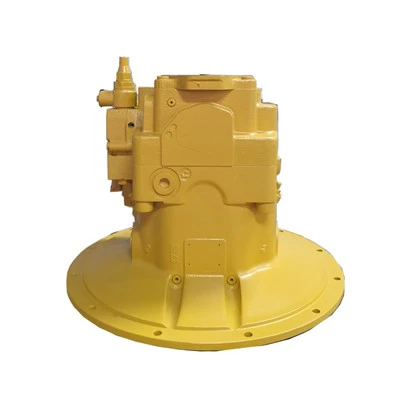
Whether you’re a DIYer tackling your first big repair or a mechanic working on a fleet of trucks, replacing differential gear parts is manageable if you take it step by step. The key is patience: take time to inspect old parts, get the right parts from a reliable supplier, and don’t rush the torque or backlash adjustments. If you’re unsure about any step, don’t hesitate to reach out. We’ve helped thousands of customers pick the right parts for their make and model, and we can walk you through any part of the process.
Engine Outside Parts If you need gear parts for your differential repair, or have questions about compatibility and installation, feel free to get in touch to discuss your requirements. We’re here to make sure your repair goes right the first time, so your car stays running smoothly.
References
- Automotive Technical Manual: Differential Repair Procedures, SAE International, 2022
- Gear Parts Installation Best Practices, National Automotive Parts Association (NAPA), 2021
- Car Maintenance Guide: Differential Gear Replacement, AAA Auto Repair, 2023
Yantai Dayun Machinery Parts Co., Ltd.
As one of the most professional gear parts suppliers in China, we are committed to providing high quality products with low price. Please feel free to buy discount gear parts in stock here from our factory. Contact us for quotation and free sample.
Address: NO91, Zhenzhong Street, Fushan District, Yantai City
E-mail: dayunhyd5123@163.com
WebSite: https://www.dayunexcavator.com/
