If you’ve ever wandered through Etsy’s handmade section, stumbled on a TikTok of someone fidgeting with tiny, realistic ice cream cones, or even grabbed a set of custom keychains from a local craft fair, you’ve probably seen resin food charms and resin crafts side by side. For years, I’ve worked as a resin food charms supplier, and I get so many DMs from people who mix these two up all the time. “Cool little resin crafts—where’d you get those?” or “I love these resin food charms, are they the same as the big coasters you make?” It makes sense, right? Both use resin, both look cute, and you can even make them with the same basic tools at home. But trust me, they’re worlds apart in how they’re made, what they’re for, and even the little details that make one feel like a tiny, playful fake treat and the other a functional decor piece. Let’s break it down, no stuffy textbook vibes, just straight talk from someone who’s spent way too many evenings at their worktable mixing epoxy. Resin Food Charms

First off, let’s start with the basics: resin itself is that squishy, liquid plastic that hardens, right? We use two main types in both spaces—epoxy resin for most things because it’s super durable, and UV resin for people who want to make something fast, since it cures in like 20 minutes under a lamp. But beyond that, the similarities pretty much stop. The biggest difference for me is intention. I started making resin food charms because I wanted tiny, realistic replicas of my favorite snacks to use as keychains, bag clips, or even stud earrings. My resin crafts line, on the other hand, is functional stuff like coasters, wall art, or candle holders. That core “purpose” shapes every single choice you make when you’re creating.
Take size, for example. Resin food charms are tiny—like, usually 1 to 3 inches max. I once had a customer ask me for a 6-inch resin taco charm, and I had to tell her that would look ridiculous. You want them to be pocket-sized, something you can clip to your backpack without it dragging on the ground. When I make a mini burger charm, I’m using molds that are made specifically for miniatures—think silicone molds shaped like single French fries, tiny donuts with sprinkles so small you need a magnifying glass to count them, even mini sushi rolls with separate slices. The whole point is that they’re “micro” versions of real food, so every detail has to shrink just right. If I mess up the ratio, the sprinkles are too big, and it stops looking like a charm and starts looking like a weird resin dollhouse decoration.
Resin crafts? They can be any size. I’ve made coasters that are 4 inches square (standard for mugs) and wall art that’s 2 feet wide. The molds here are way bigger, no miniature focus. For a resin ocean coaster, I’m pouring a thicker layer of resin, adding in glitter and little fake seashells because it’s supposed to hold a drink, not be a tiny accessory. Size here is all about function, not cuteness or portability. That’s a quick tell, right? If something’s small enough to fit on your finger, it’s almost definitely a food charm. If it’s big enough to set your coffee mug on? Craft.
Then there’s the realism factor, which is where resin food charms really shine. I don’t just make a blob of resin and say it looks like a cupcake— I spend hours researching actual food details. Last year, I made a set of mini iced coffees, and I spent 20 minutes just trying to get the foam right. I used a tiny bit of white resin mixed with a little glitter to mimic the texture of whipped cream, added a single brown resin droplet to look like a coffee drip down the side, and even tiny plastic straws that I cut to size. I’ve made mini pizza charms with individual pepperoni slices that have that slight golden edge they get when baked, and donut charms with glaze that has those little drips you see on real pastries. The whole thing is about making people go “wait, is that real?” when they pick it up.
Resin crafts, on the other hand, usually don’t aim for hyper-realism. Oh, sure, sometimes you get resin crafts that look like wood grain or marble, but that’s a decorative effect, not a “fake real thing” effect. If I make a resin coaster that looks like a citrus slice, it’s not going to have the tiny texture of a real orange peel or the exact pattern of the flesh. It’s going to be simplified, bright, and designed to look good on a table, not trick someone into thinking it’s a slice of fruit. I once had a customer ask if my resin lemon coasters were edible, which was pretty funny, but that’s the point—crafts don’t have to look like real food, they just have to look nice.
Another big difference is durability and use case, which goes back to that intention I mentioned earlier. Resin food charms are lightweight, so they’re perfect for accessories. Most of them have a tiny hole drilled in the top so you can add a keychain ring, a jump ring for earrings, or a clasp for a bag clip. I make sure they’re not too heavy, because if you put a big, thick resin charm on a pair of stud earrings, it’ll pull the earlobe down. For that reason, I use a thinner layer of resin for food charms, and sometimes even mix in a little pigment to make them look more lightweight, like a mini ice cream cone that’s not too bulky. They’re meant to be carried around, fidgeted with, maybe dropped on the floor a few times. I’ve had customers tell me their resin food charm keychains have lasted years, but you wouldn’t use one as a coaster—they’re way too small, and they’d get ruined if you spilled a drink on them.
Resin crafts, though, are made for being functional. A resin coaster needs to be thick enough to absorb a little condensation, sturdy enough that it won’t warp after a few months of use. I use a higher-quality epoxy resin for crafts because it’s more scratch-resistant, so if you set a hot mug on it, it won’t get a mark. Sometimes I add a layer of felt to the bottom so it won’t scratch my customer’s tables. But that means they’re heavier, bulkier, and not meant to be carried around. You wouldn’t clip a resin coaster to your backpack—its whole job is to sit on a table and do a specific task.
Let’s talk about the customization side, too. I get asked all the time if I make custom resin food charms, and yes, I do. People love to get mini versions of their favorite snack—like a mini version of their go-to cookie, or even a custom mini fast food order for a friend’s birthday. But there’s a limit: because they’re so tiny, you can’t make them too detailed. You can’t add a tiny logo to a mini burger that’s smaller than a centimeter, it just won’t show up. Resin crafts, though, can be super detailed when it comes to customization, just different details. I’ve made custom resin wall art with a couple’s wedding date embedded, or coasters with a pet’s name and a tiny paw print. That kind of customization is way easier with bigger pieces, because there’s space to work with.
I think a lot of people also mix these two up because they see them used in similar spaces—like both being super popular for TikTok or Instagram, or sold at the same craft shows. But I’ve noticed the audience for each is a little different, too. Resin food charms are mostly for people who want a small, fun accessory—teens buying keychains for their backpacks, people buying tiny earrings, gift shoppers looking for a silly, cute stocking stuffer. Resin crafts are more for people who want home decor, functional items that add a little personality to their space. I’ve sold both, and the kind of customer who buys a $5 mini macaron charm is totally different from the one who buys a $30 set of resin marble coasters.
Wait, let’s clear up one common myth, too. A lot of people think resin food charms are “cheap” or just a hobby, but no—they take just as much skill as resin crafts. When I’m making a mini sushi charm, I have to get the exact color of rice and fish right, make sure each slice is proportioned perfectly, and drill a hole so small I have to use a pin to do it without cracking the resin. I’ve ruined more mini charms than I can count—one time I made a batch of mini donuts, and half of them had the glaze dripped the wrong way, so I had to throw them all out. Resin crafts have their own skill, too—pouring resin without bubbles, getting a smooth finish, making sure a coaster is level so a drink doesn’t tip over. But the skillset is different.
So why does any of this matter? If you’re someone who’s looking to buy something, knowing the difference helps you get exactly what you want. If you want a tiny, cute keychain that looks like your favorite ice cream, you want a resin food charm, not a resin craft. If you want a nice coaster to protect your table, you want a resin craft. And if you’re someone who’s looking to make things yourself, it saves you from wasting time making a mini 4-inch pizza that’s way too big to be a charm, or trying to make a tiny coaster that’s too small to be functional.
I get so excited when people learn the difference, too. Last month, a customer came up to me at a craft fair, and she told me she’d been buying “resin crafts” for her keychains, and had no idea she’d been looking for food charms the whole time. She ended up buying a set of mini taco charms, and she said they were exactly what she’d been wanting. That’s the best part of what I do—helping people find the right thing, whether it’s a tiny fake snack or a functional home piece.
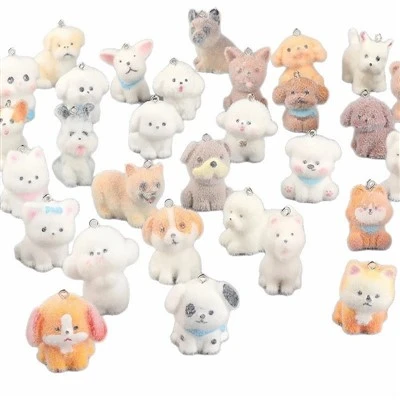
At the end of the day, both resin food charms and resin crafts are cool, creative uses of resin. They both let people make something unique that’s way more personal than something you’d buy at a big box store. But the core difference is that food charms are mini, realistic, and made for portability and cuteness, while resin crafts are functional, often larger, and made for everyday use. If you’re looking for high-quality, custom resin food charms—whether it’s keychains, earrings, bag clips, or something else—feel free to reach out to chat about what you’re imagining. No weird automated messages, just me, the supplier, answering your questions and helping you create something fun.
Resin Ornament References
- Smith, L. (2022). Handmade Resin Goods: A Guide to Miniature vs. Functional Pieces. Craft Hobby Journal.
- Lee, M. (2021). Epoxy Resin Application Methods for Small-Scale vs. Large-Scale Projects. Creative Materials Quarterly.
- Torres, R. (2023). Consumer Trends in Handmade Resin Accessories: Miniature Food-Themed Items. Handmade Market Insights Report.
Shengzhou Shengteng Accessories Co., Ltd.
With abundant experience, we are one of the most professional resin food charms manufacturers and suppliers in China. We warmly welcome you to wholesale customized resin food charms at competitive price from our factory. For free sample, contact us now.
Address: Room 701, Building 23, Wanyang Innovation City, No. 368 Kaiya Road, Changle Town, Shengzhou City, Shaoxing City, Zhejiang Province
E-mail: 15869252296@163.com
WebSite: https://www.shengtengjewelry.com/
