When I first started out as a daycare furniture supplier ten years ago, I thought “commercial-grade” was just a fancy buzzword. I’d worked in a small in-home daycare for five years prior, scrounging for secondhand plastic tables that warped after two years and chairs that cracked when a toddler leaned back too far. Now, after supplying over 200 daycares across the Midwest, that early confusion taught me a critical lesson: commercial-grade daycare furniture doesn’t just cost more—it costs differently, depending on who you are, what you need, and how long you plan to use it. This isn’t the cheap stuff from big-box stores that’s made to last a few preschool years. This is furniture built to take 10+ years of daily use by wiggly 2-, 3-, and 4-year-olds, and its price tag reflects that—no hidden fees, no fine print. Daycare Furniture
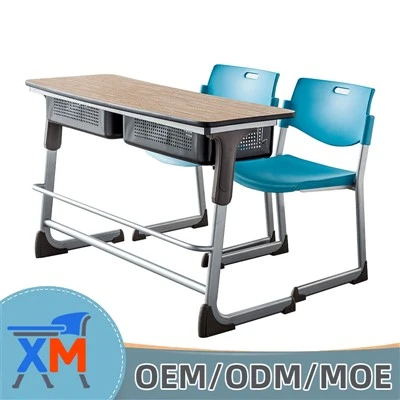
Let’s start with the most common question I get from new daycare owners: What’s the average cost per item? I’ll break it down by core pieces, because that’s what most people are shopping for first, and I’ll be real about the variables that shift those numbers. For a commercial-grade activity table, which is the heart of any daycare classroom, you’re looking at $150 to $350 each. The cheap models at big-box stores are $50 to $100, but those are made of low-density plastic that scratches, fades in direct sunlight, and warps if you leave art supplies on it overnight. The commercial ones? Most use high-density polyethylene (HDPE) that’s food-safe, non-toxic, and resists scratches from crayons and glue sticks. The difference is in the base, too: residential tables often have flimsy metal legs that wobble if a kid stands on them, while commercial tables have reinforced steel bases that adjust for height—perfect for toddlers and older preschoolers who need a different sitting level. The $150 side of that range is a basic 24” round table for 4 kids, great for small home daycares or supplemental spaces, while the $350 end is a 48” rectangular table that fits 8 kids, has rounded edges (non-negotiable for safety), and comes with a 10-year warranty.
Chairs are next, and this is where the “commercial-grade” label makes the biggest difference for your wallet over time. A set of 4 commercial stackable chairs runs $200 to $400 total, or $50 to $100 per chair. Compare that to $10 to $25 per chair at a big-box store. The residential chairs might be cute, but they’re not designed to be stacked 10 high in a closet, which means you’ll have a bunch of uneven chairs within three years because they get dropped or stacked wrong. Commercial chairs have reinforced cross-supports, non-slip rubber feet that protect your floor, and are built to hold up to 500 pounds—more than enough for a grownup helping a toddler sit. I had a client last year who bought 100 big-box chairs for her new center; 18 months later, 22 had broken legs or loose seats, and she spent $1,200 replacing them, plus lost time and money closing her classroom for a day to take delivery. The commercial chairs she bought from me at the same time? Zero replacements in three years, and she still stacks them 10 high every night with no issues.
Then there’s storage, which is the most overlooked (and most expensive) piece of daycare furniture by new owners. Commercial cubbies for coats, backpacks, and art supplies run $200 to $600 per unit, depending on size. A basic 10-cubby unit (perfect for 10 kids) is around $200, while a 20-cubby unit with a built-in bench for putting on shoes is closer to $500 to $600. Again, the cheap stuff here is particleboard that starts peeling after a year from spillage or humidity, while commercial storage is made of solid birch or HDPE, with rounded corners and no sharp edges that could scratch a kid’s arm. I always tell owners: you can’t skimp on storage. If your cubbies fall apart, you’re not just replacing furniture—you’re dealing with backpacks on the floor, lost snacks, and kids getting hurt from tripping. That $500 cubby unit will last you a decade, while a $150 particleboard one will need replacing in two years, making it a false economy.
Now, let’s talk about whole classroom packages, because most people don’t buy furniture one piece at a time. A standard 10-kid preschool classroom package usually includes one activity table, four chairs, two storage units (for toys and art), and a reading nook bench. The average cost for this is $1,200 to $2,500. For a larger classroom, say 15 to 20 kids, that jumps to $2,000 to $4,000. The variables here are the biggest: if you add specialty items like a sensory table (which is huge for daycares) or a nap mat storage unit, that can add $300 to $1,000 to the total. Sensory tables, by the way, are a big one—commercial-grade ones have built-in drain plugs, so you can clean out water or rice without spilling all over the floor, and they’re deep enough for kids to play without making a mess. A basic sensory table is $250 to $400, which is a steal compared to trying to adapt a regular table.
Wait a second, though—why is there such a big gap in prices? It’s not just materials. It’s safety certifications. All commercial-grade daycare furniture has to meet national standards set by the Juvenile Products Manufacturers Association (JPMA) and the Consumer Product Safety Commission (CPSC). That means no small parts that can be a choking hazard, rounded edges to prevent cuts, and structural integrity tests to make sure a chair won’t collapse if a kid jumps on it. The cheap stuff from big-box stores rarely meets these standards, or only meets them by a technicality—JPMA testing is independent, so you know the furniture has actually been put through the wringer. I had a state licensing inspector come to a client’s center last year and reject a set of big-box chairs because their legs didn’t pass the weight test. The owner had to replace them overnight, which cost him extra money and delayed his opening. That’s the kind of headache you avoid by buying commercial-grade upfront.
Another factor is customizability. If you have a small space, or a niche need like a wheelchair-accessible table or storage, the price can go up 10% to 20%, but it’s worth it. I work with a center that’s in a repurposed church basement with low ceilings, so we had to custom-adjust the height of all their tables and chairs to avoid bumping heads. That cost them an extra $300, but they didn’t have to remodel their entire classroom, which would have been way more expensive. Also, warranty coverage: most commercial furniture comes with a 5- to 10-year warranty, while big-box furniture has a 1-year max. If a part breaks, you don’t have to replace the whole thing—you can order a replacement leg or a set of glides, which saves you hundreds of dollars over time.
Let’s talk about hidden costs that most people don’t account for when budgeting. Shipping, for one. I’m local to the Midwest, so my clients get free delivery for orders over $1,500, but if you’re ordering out of state, shipping can add 10% to 15% to your total. Assembly is another: most furniture comes partially assembled, and if you’re not handy, hiring someone to put it together can cost $100 to $200 for a classroom set. Some suppliers include assembly in the price, so that’s something to ask about before you buy. Also, floor protection: commercial furniture is heavy, so you might need rubber mats under tables and chairs to protect your tile or wood floors, which is an extra $50 to $100 for a classroom.
Now, I know what you’re thinking: “That sounds like a lot of money. Can’t I save by buying used commercial furniture?” The answer is, sometimes, but with caveats. I sell used commercial furniture from time to time for 50% off, but I only sell it if it’s in good condition and meets current safety standards. You have to check for recalls, make sure the pieces aren’t warped or broken, and that they’re not outdated (like old cubbies that don’t meet current CPSC edge standards). A lot of used furniture online is residential, not commercial, so you have to be careful. I had a client buy “used daycare furniture” from a Facebook group last year, only to find out it was home office furniture that fell apart after a month. Used can be a good option for small home daycares on a tight budget, but always verify the grade and safety before you buy.
Let’s wrap this up with a real example that’s fresh in my mind. Last month, I worked with a new daycare owner in Des Moines, Iowa. She was opening a 10-kid home daycare, so she didn’t want to overspend. We put together a package: a 24” round activity table (10-year warranty), 4 stackable chairs, a 10-cubby storage unit, and a small reading nook bench. Total cost was $1,450, including local delivery and assembly. She compared that to a big-box package that was $600 upfront, but when she ran the numbers, the big-box set would need replacing every 2 years (total cost $1,800 over 10 years), while my commercial set would last a decade. That’s a no-brainer, right? She went with my commercial set, and told me last week that they’re holding up better than she expected—no scratches, no wobbly legs, and the cubbies are still in perfect shape.
I get it, starting a daycare is stressful, and every dollar counts. But cutting corners on furniture isn’t the way to save money in the long run. Commercial-grade daycare furniture is an investment in your center’s safety, durability, and peace of mind. You don’t have to buy the most expensive piece on the market, but you do have to buy something that’s built to handle what daycares throw at it: spilled juice, crayon marks, kids stacking chairs, and years of use. If you’re ready to build out your classroom, or just replace a few worn pieces, I’m here to help you figure out what fits your space and budget. Reach out to talk through your needs—no pressure, no hidden fees, just honest advice from someone who’s been in this industry for a decade, and has seen what works and what doesn’t. Don’t make the same mistake I made early on, thinking that cheap furniture is a good deal. The real savings is in furniture that lasts.
Classroom Desk and Chair Set References
Juvenile Products Manufacturers Association. (2022). Commercial Daycare Furniture Safety Standards. Retrieved from industry publications on commercial childcare goods.
Consumer Product Safety Commission. (2021). CPSC Rules for Child Care Furniture and Equipment. U.S. Consumer Product Safety Commission.
Daycare and Childcare Facility Association. (2023). Budget Guide for Commercial Childcare Furniture. Annual Industry Report.
Shanghai Xinmu Industrial Co., Ltd.
Address: 3rd Floor, NO.5# Building, No. 288 Rongxing Road, Songjiang District, Shanghai
E-mail: sales@xinmugroup.com
WebSite: https://www.xinmufurniture.com/
