If you’ve ever stared at a plain wooden puzzle—smooth, grainy, kind of boring—and thought, “Can I just paint this to make it pop?” you’re not alone. As a wooden puzzles supplier, I get this question a LOT from regular folks and small hobbyists alike. Let me cut through the noise here: short answer is yes, you absolutely can—but there’s a right way and a very wrong way to do this, especially if you’re not ruining the puzzle for someone else later. I’ve seen both extremes: a hand-painted vintage puzzle that’s worth way more than its original price, and a cheaply DIYed one that peeled so bad the kids thought it had a weird rash. So let’s break this down, no fancy jargon, just the stuff that actually works when you’re messing with our wooden puzzles. Wooden Puzzles
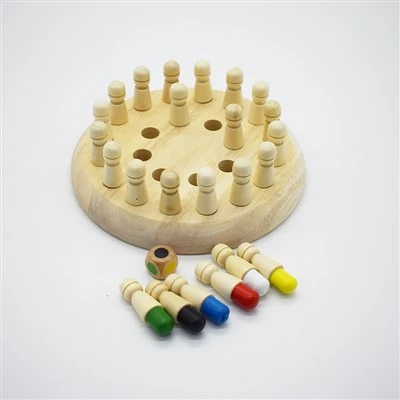
First, let’s start with the basics: what kind of wood are we even talking about? Most of the wooden puzzles I ship are basswood, right? It’s soft, lightweight, takes paint way better than oak or maple, which is why we use it for jigsaws. But here’s a secret a lot of new painters miss: basswood has a super porous grain. If you just grab that $2 acrylic paint you have in your closet and slather it on, it’ll soak right into the grain, leave streaks, and flake off after a week of being passed around. I’ve had a customer send back a puzzle she painted for her nephew—said it started peeling after two plays. Turned out she used old craft paint and skipped the prep step. Prep is non-negotiable here, no exceptions.
Wait, what’s prep, exactly? Let’s keep it simple: if you’re painting a brand new, unused wooden puzzle, start with a quick sand. You don’t need to sand it down to bare wood, but just a light rub with 220-grit sandpaper to rough up the surface a little. That gives the paint something to stick to, instead of sliding right off. Then wipe it down with a damp cloth to get rid of all the sawdust. Let it dry totally—like, 20 minutes, not 5. If you skip that, the sawdust will mix with your paint and make it look grainy. Now, if you’re painting a vintage wooden puzzle (the ones that are a few years old, maybe a little scuffed), you’ll want to do a little more sanding, maybe even a light sand to get rid of any old dirt or wax. Wax is the worst for paint, by the way—if the puzzle has any old wax on it, the paint will just bead up. Good luck with that.
Next, choosing the right paint. I can’t stress this enough: not all paint is equal for wooden puzzles. Acrylic craft paint works, but only if it’s the good kind. The cheap dollar-store stuff is thin, has bad pigment, and doesn’t adhere well. I recommend artist-grade acrylic or even exterior acrylic if you’re making something that’s gonna get used a lot—like, for a kids’ puzzle that’ll be played with every day. Exterior paint is moisture-resistant, so it won’t peel if a juice cup spills on it. And hey, if you wanna go fancy, water-based enamel is even better for durability. It’s a little more expensive, but it’s way less likely to chip after weeks of being tossed in a toy bin. Whatever you do, don’t use oil-based paint. It’s stinky, takes forever to dry, and it’s hard to touch up if you mess up a detail. I’ve seen people try it, and they end up with their hands covered in paint and a puzzle that takes 3 days to dry. Not worth it.
Wait, what about sealing? Oh right, the big one. Once you paint it, you can’t just leave it as is, unless you wanna paint the next puzzle in your collection. Sealing is what protects the paint, makes it last, and keeps it from rubbing off on little hands or furniture. What kind of sealer? Water-based polyurethane is your best bet. It’s clear, non-toxic (super important if kids are gonna use it), and dries fast. Spray-on polyurethane is easier for puzzles, because you can get into all the little nooks and crannies of the pieces, instead of brushing it on and leaving brush strokes. Just make sure you do thin coats—two or three, with a light sand in between each one. Don’t put one thick coat, that’ll be sticky and take forever to cure. If you wanna go for a matte finish, use a matte sealer; if you want it shiny, go semi-gloss. Whatever fits your vibe. I’ve seen people use Mod Podge too, and that works for a temporary project, but it’s not as durable as polyurethane. Mod Podge will peel after a few months if the puzzle gets a lot of use. So for long-term, polyurethane is the way to go.
Now, let’s talk about what you shouldn’t do. A lot of first-time painters make these mistakes, so let’s get them out of the way. First, don’t paint the back of the puzzle! Wait, why? Most wooden puzzles have a printed number or maybe a little logo on the back, which is how people sort the pieces when they’re putting it together. If you paint the back, the numbers will be hidden, and it’s way harder to put the puzzle back together if it gets mixed up. Unless you’re making a decorative puzzle that never gets played with—then go nuts. But for a functional puzzle, leave the back alone. Second, don’t use too much paint. Thick coats will crack and peel, especially if the wood expands and contracts with temperature changes. Basswood does that a little, so thin layers are key. Third, don’t rush the drying time. I get it, you wanna show off your new puzzle to your friends, but if you touch it before it’s fully dry, you’ll leave fingerprints, and the paint might smudge. Let each coat of paint dry at least 24 hours, and the sealer at least 48 hours. I know, that’s 2 days, but it’s worth it for a puzzle that lasts. Fourth, don’t paint over a dirty puzzle. If there’s crumbs, dust, or old gunk on the pieces, the paint will stick to that, not the wood. So wipe it down super well before you start.
Wait, what about custom wooden puzzles from us? A lot of our customers ask if they can paint our pre-cut puzzle pieces—like, the 100-piece or 500-piece ones we sell. Short answer is yes, but just follow the same steps I just told you. I’ve had a customer buy a 500-piece landscape puzzle from us, paint it with their kids for a birthday, and they said it’s lasted 2 years. They used acrylic paint, sanded lightly, sealed with polyurethane, and it’s still going strong. Another customer tried to skip the sand step, and her puzzle peeled after a month. So that prep step really is the secret sauce.
Is there a time when you shouldn’t paint a wooden puzzle? Let’s see. If the puzzle is super valuable, like a vintage antique wooden puzzle that’s worth hundreds of dollars, then no. Painting it will ruin its value. Antique collectors want the original paint, not a DIYed job. But if it’s a modern puzzle that’s just for fun, go ahead and paint it. If you’re making a puzzle to sell, make sure you disclose that it’s a hand-painted one, not original. Because otherwise, you’re misleading people. But for personal use, definitely paint it.
Wait, let’s add a little pro tip from someone who’s been in the wooden puzzles game for a while. If you’re painting a design with a lot of small details—like, the eyes on a character, or tiny flowers on a landscape—use a fine-tip acrylic pen instead of a regular paintbrush. It’s way easier to get clean lines, and you won’t accidentally smudge the big areas of paint while you’re working on the small parts. I keep a pack of these around for when I wanna add details to my own puzzles, and it’s a game-changer. Also, if you make a mistake, don’t panic. Just sand the part that’s messed up, repaint, and seal. It’s way easier than you think to fix a small error.
Now, let’s talk about why you might wanna paint a wooden puzzle in the first place. Maybe it’s a plain puzzle you bought that’s too boring, and you wanna make it custom for your kid’s birthday. Maybe you’re a hobbyist who loves making unique decor. Or maybe you’re a teacher who wants to make an educational puzzle—paint numbers or letters on each piece, so kids can learn while they put it together. I’ve had a few teachers order puzzles from us, paint them with math problems, and they say their students love it way more than a regular puzzle. That’s the fun part of painting wooden puzzles—you can make them totally your own.
Wait, but let’s get back to being a wooden puzzles supplier here. A lot of people don’t know that we also supply blank wooden puzzle pieces for people who wanna make their own from scratch, not just paint existing ones. If you’re a maker, or a small business, and you want to make custom wooden puzzles, we’ve got you covered. Our blanks are the same basswood we use for our pre-made puzzles, so they take paint just as well. We also offer bulk orders, so if you’re making 50 puzzles for a craft fair, we can hook you up.
But let’s get back to the original question: can you paint wooden puzzles? Absolutely. It’s easy, it’s fun, and as long as you follow the right steps (prep, good paint, proper sealing), your puzzle will last for years. I’ve painted dozens of my own puzzles over the years, and some of them are still going strong after 5 years. The key is not cutting corners on the prep and sealing. I’ve seen way too many people ruin a good puzzle because they skipped those two steps.

If you’re a hobbyist looking to paint your first wooden puzzle, or a small business looking to source blanks to make custom puzzles, reach out. We work with all kinds of people—from parents making kid puzzles to designers making decorative ones. Whether you’re just starting out or you’ve been doing this for years, we can help you get the right materials, answer any questions, and make sure your puzzles turn out great. Don’t be shy—send over a message if you wanna chat about your project.
Educational Toys REFERENCES
- Wood Finishing Network. "Adhesion of Paints to Wood Surfaces," 2022.
- American Craft Council. "Tips for Painting Wooden Projects," 2021.
- Toy Safety Association. "Non-Toxic Finishes for Children’s Wooden Toys," 2023.
- Basswood Manufacturers Association. "Properties of Basswood for Craft Projects," 2020.
Yiwu Hoye Crafts Co., Ltd.
As one of the most professional wooden puzzles manufacturers and suppliers in China, we also support customized service. Please feel free to wholesale high quality wooden puzzles for sale here and get pricelist from our factory. For price consultation, contact us.
Address: Room 402, Building 2, Wanti Plaza, Yiwu City, Zhejiang Province, China
E-mail: jennifer@hoye-crafts.com
WebSite: https://www.chinawoodentoyfactory.com/
