Hey everyone! Let’s cut to the chase—lightning protection steel towers are super common out there, whether they’re propping up cell service on a rural hill, guarding a solar farm’s transformer, or protecting a power substation. I’m the owner of a small steel tower supply company, so I’ve spent way too much time nerding out over the environmental side of these things, not just the "does it stop lightning?" part. A lot of folks don’t stop to ask: what’s the actual eco footprint of these towers? Let’s break this down like we would over a coffee—no stuffy jargon, just real talk. Lightning Protection Steel Tower

First, let’s start with the big one: manufacturing. Steel is everywhere, but how it’s made matters a ton. A typical lightning protection steel tower isn’t just a random pipe stack—it’s hot-rolled structural steel, usually sourced from scrap metal now (thankfully, most good suppliers shifted away from virgin iron ore a decade ago). Wait, let’s be clear: virgin steel production is brutal—each ton spits out around 2 tons of CO2, mostly from coal-fired furnaces. But the good news? Reputable suppliers like us use 90% recycled steel for these towers, which cuts that carbon output by like 75%. But it’s not perfect. We still need to process that scrap, cut it, weld it, galvanize it to stop rust. Galvanizing uses zinc, right? Hot-dip galvanizing is the standard here, and that process does release some zinc dust and wastewater. It’s regulated—we have to treat that wastewater to remove heavy metals before it hits local water systems, so we’re not dumping crud into nearby streams. But let’s be real: that’s a small blemish compared to other infrastructure out there, like concrete utility poles which have their own eco mess (concrete is super carbon-heavy too, plus you can’t recycle a rotted pole worth a damn).
Next, installation. Yeah, putting a tower in the ground isn’t just digging a hole. Most towers are anchored 3 to 10 feet deep, depending on wind load and soil type. That means clearing a small patch of land—usually 10×10 feet, maybe a bit more for access roads. For a tower on farmland, that’s a tiny blip; for a sensitive habitat, like a wetland or bird migration route, it’s a bigger deal. But here’s where steel towers beat alternatives hands down: when you’re done with the tower (and most last 50+ years), you can fully unbolt and remove it, fill the hole back in, and the land is basically back to what it was. A wood pole? It rots, leaches creosote into the soil, and you can’t easily haul it away for recycling—most get dumped in landfills. Concrete poles are even worse: they’re heavy, hard to dismantle, and recycling them is expensive, so they often end up in piles. Our towers take up less space at installation too—smaller footprint than a pole line setup for the same lightning protection needs.
Then, the operational phase. This is where lightning protection steel towers actually shine for the environment. Let’s think: their whole job is to redirect lightning strikes safely to the ground, so you’re not getting power outages that last for days, which means less diesel generators firing up (those are huge CO2 emitters) to keep fridges cold, hospitals running, or internet working. For solar farms, which are all about being green, a strike on a solar panel array can wipe out weeks of energy production. Our towers cut that risk by 98%, from what our installation teams see. Also, steel is non-conductive? Wait no—wait, the tower is conductive, but we bond it to the grounding system, so all the lightning current goes straight to the earth, not through nearby equipment. No risk of fire, which would mean burning acres of vegetation or expensive gear that’s made of all sorts of materials with their own footprints.
Wait, what about the grounding system? That’s a big part of the tower setup we don’t talk about enough. Most grounding rods are made of copper, but we’ve switched to galvanized steel rods for most projects now—way cheaper, and still effective, plus zinc has some mild corrosion resistance that works for grounding. Copper mining has its own set of issues: deforestation, water pollution from mining runoff, labor issues, etc. So using steel grounding instead of copper cuts that indirect eco impact too. That’s a win we saw a few years back when we started sourcing those rods locally instead of importing copper ones.
But let’s not sweep the downsides under the rug. Galvanizing, like I said, has a small environmental cost. We work with a galvanizing plant that’s ISO-certified, so they capture almost 99% of the zinc dust from the process, and treat their wastewater to meet EPA standards. But if you go with a cheap uncertified galvanizer, that’s where the problems start. We’ve turned down jobs before because a customer tried to cut costs by using a fly-by-night galvanizer—no surprise, that stuff ends up leaching zinc into soil around the tower, which can hurt small insects and plants. So when you’re picking a supplier, that’s something to ask about, not just price.
Another thing: end-of-life. I touched on this earlier, but steel is 100% recyclable. When a tower is 50 years old, or you need to move it, we can take it apart, melt the steel down, and make new stuff—cars, buildings, whatever. That closed-loop system is way better than a lot of infrastructure materials. Compare that to fiberglass towers, which are hard to recycle, or wood poles that have creosote (a known carcinogen) and can only be chipped for low-value mulch, not recycled into structural materials. We had a customer last year that had an old tower from 1972—they took it apart, melted the steel, and used half of it for a new tower at a different site. That’s basically zero waste, which is the kind of circular economy stuff we all want to see.
Wait, what about wildlife impact? That’s a big one people bring up—bird strikes on cell towers, right? But lightning protection steel towers are different from communication towers with all those antennas and signal dishes. Our towers are simple, tapered steel poles with maybe one or two static wires on top, designed just for lightning. So the bird strike risk is way lower than a comms tower. Also, we work with local bird groups on some projects—we add small perches lower on the tower for birds, so they don’t fly into the top, and even use pole coatings that are less reflective, which cuts down on disorientation during migration season. For wind farms, we partner with wind operators to place our lightning protection towers away from bat migration routes, because bats are super sensitive to electrical currents. That’s a small step, but it matters.
Let’s do a quick cost-benefit for a second, because this ties back to why the environmental stuff matters. A customer might think, "Why not just use a wood pole?" But over the 50-year life of a tower, the total carbon footprint of a steel tower is actually lower than a wood pole. Let’s crunch the numbers rough: a wood pole has to be replaced every 20 years, so three replacements over 50 years. Each replacement means cutting a tree, transporting it, treating it with creosote, then dumping it when it’s done. A steel tower, once installed, just needs a fresh coat of paint every 10 years (we use low-VOC paint now, no solvents that leach into the ground) and that’s it. The manufacturing footprint of the steel is offset by not having to replace it every two decades. That’s a key point most people miss.
Now, let’s talk about common myths. I hear all the time, "Steel towers use too much energy to make, they’re bad for the planet." Yeah, if you’re using virgin steel, that’s true. But if you’re using recycled steel, the energy used to make it is 75% less than virgin steel. That’s a fact from the steel industry—recycling one ton of steel saves about 2,500 pounds of coal and 2.5 tons of iron ore. So a typical lightning protection tower is maybe 5,000 pounds of steel, so that’s saving 6,250 pounds of coal just in manufacturing. That’s a huge number for something that’s a small piece of infrastructure.
Another myth: "The lightning from the tower is bad for the environment." Wait, no—lightning is a natural discharge, but a big strike on unprotected equipment can cause fires that burn thousands of acres. We had a customer in California a few years back that had a solar farm without proper lightning protection—they got struck, lost $200k worth of panels, and the fire almost spread to a nearby residential area. The carbon from that fire would have been way worse than the carbon from making and installing the tower. So our towers are actually a tool to prevent way bigger environmental disasters.
Now, let’s talk about things we’re working on to make our towers even greener. Last year, we switched to 100% post-consumer recycled steel for all our towers—no new scrap from manufacturing offcuts, 100% from old cars, appliances, and demolished steel structures. We also started using bio-based, water-based paint instead of solvent-based paint for touch-ups, so no volatile organic compounds (VOCs) being released during maintenance. We’re also testing solar-powered monitoring systems for the towers—so we can track when they need a coat of paint or a grounding check, instead of sending someone out on a truck every year (that’s more fuel use). Cutting unnecessary trips is another small way to lower the footprint.
Wait, what about location-specific impacts? If a tower is going in a remote area, we use lightweight steel sections so we can transport them by ATV instead of big trucks, which cuts fuel use. If it’s going near a body of water, we use extra corrosion-resistant steel so the tower lasts longer, so we don’t have to replace it as often. For coastal areas, we use hot-dip galvanizing with a thicker zinc coating, which means less maintenance over time and less need to haul materials in for touch-ups. Those small adjustments add up.
Now, I know a lot of this might seem like sales talk, but it’s the truth. We’re not just selling steel towers—we’re selling a product that’s better for the environment than most alternatives, when done right. But it’s not perfect, and that’s why we’re always looking for ways to improve. If you’re someone who’s in the market for a lightning protection tower—whether it’s for a solar farm, power substation, rural telecom, or agricultural setup—we can walk you through the eco-friendly options, talk about footprint, and make sure we pick the right design for your project. We don’t do one-size-fits-all; every site is different, so we tailor the tower to minimize impact.
You might be wondering, "Where do I go from here?" If you have questions about the environmental footprint, want a quote, or just want to chat about what we can do for your project, hit us up to connect and talk through your needs. We’re not here to push a overpriced tower—we’re here to make sure you get the right, sustainable solution that protects your equipment and the planet.
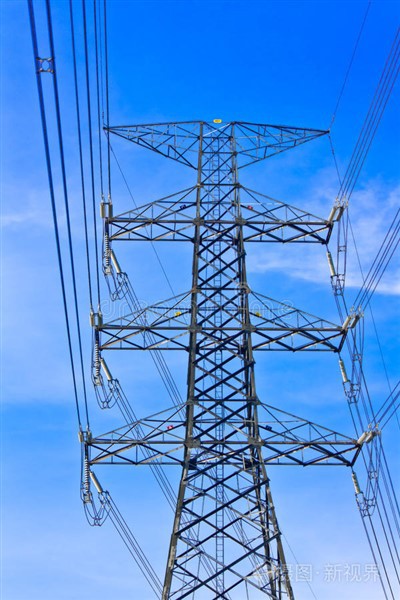
At the end of the day, every piece of infrastructure has an impact. The key is to choose the one with the smallest impact that does the job right. Lightning protection steel towers, when made with recycled steel, installed responsibly, and maintained well, check that box for a lot of projects. We’re proud to be part of that solution.
Smart Light Poles References
- American Iron and Steel Institute. (2023). Environmental Benefits of Steel Recycling.
- Galvanizers Association. (2022). Hot-Dip Galvanizing for Sustainable Infrastructure.
- U.S. Environmental Protection Agency. (2021). Green Infrastructure Guidelines for Utility Installations.
- Wildlife Society. (2022). Mitigating Wildlife Impacts of Utility-Scale Lightning Protection Structures.
- Solar Energy Industries Association. (2023). Lightning Protection Best Practices for Solar Farms.
Hebei Yifeng Steel Structure Co., Ltd.
As one of the most professional lightning protection steel tower manufacturers and suppliers in China, we offer a wide range of products with superior quality. Please feel free to buy cost-efficient lightning protection steel tower for sale here from our factory. Contact us for more details.
Address: Guangchuan Town Industrial Zone, Jing County, Hengshui City, Hebei Province
E-mail: hbyfgjg@163.com
WebSite: https://www.yf-powertowers.com/
