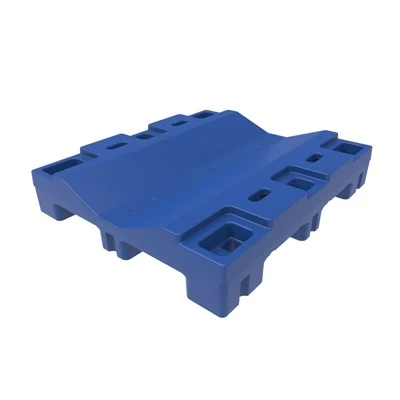
If you run a warehouse, distribution center, or manufacturing facility, you know rackable plastic pallets aren’t just a tool—they’re the backbone of your storage and shipping operations. I’ve been supplying high-quality rackable plastic pallets for over a decade, and one of the most common questions I get from new and repeat customers alike is, “How do I clean them properly?” Too many folks either over-clean (using harsh chemicals that break down the plastic over time) or under-clean (letting food residue, dust, or chemical buildup ruin pallets, contaminate inventory, or even violate industry hygiene rules). This isn’t just a cosmetic issue—dirty pallets can lead to spoiled goods, pest infestations, or OSHA fines, so getting the cleaning process right is non-negotiable. Rackable Plastic Pallet

First, let’s clarify what makes rackable plastic pallets different from regular plastic pallets. Unlike standard pallets designed for floor stacking, rackable models have reinforced ribs, load-bearing support beams, and a stiffer plastic formula to handle heavy loads when lifted into warehouse racking systems. That extra structural integrity means they can hold up to heavier cleaning regimens, but they also have tight gaps and crevices where gunk can get trapped—so a quick wipe-down won’t cut it. Skip the misinformation you might find online; cleaning these pallets correctly follows a science-backed process, tailored to the type of buildup you’re dealing with and the industry you’re in. Whether you’re handling food and beverage products, pharmaceuticals, electronics, or general freight, adjusting your method to the mess keeps your pallets working like they should.
Let’s start with pre-cleaning prep, because skipping this step is where most people go wrong. Before you even touch water or soap, you need to remove loose debris. For light buildup—think dust, loose cardboard fragments, or dried wood shavings—grab a stiff-bristle nylon brush (avoid metal brushes; they can scratch the plastic, creating places for bacteria to hide) or a shop vacuum with a long, narrow nozzle attachment. Run that vacuum over the top deck, the bottom support, and into the gaps between the slats where small debris collects. If your pallets have caked-on gunk—like dried food, mud, or construction dust—you can take a few extra steps: use a low-pressure air compressor (set to 30-50 PSI, no higher) to blow out crevices, or tap the pallet gently on a hard surface to dislodge loose chunks. This pre-clean step cuts down on the amount of cleaning solution you’ll need later and prevents you from grinding debris deeper into the plastic’s pores.
Next, choosing the right cleaning agent is critical. Rackable plastic pallets are made from high-density polyethylene (HDPE) for most standard models, and polypropylene (PP) for heavier-duty racks. Both plastics are durable, but they can degrade if you use the wrong chemicals. I often see customers grab harsh solvents, bleach-based cleaners, or abrasive dish soaps, but those can break down the plastic’s molecular structure over time, leading to cracks or brittleness that makes the pallet unsafe for racking. Instead, stick to pH-neutral, food-safe (if you’re handling consumables) cleaners, or mild, biodegradable detergents. For light to moderate buildup, a solution of warm water and a small amount of mild dish soap (unscented, no added enzymes) works perfectly. For heavier messes—like grease, oil, or sticky food residue—you can add a quarter cup of white vinegar per gallon of water; vinegar cuts through grime without damaging plastic. If you need a more heavy-duty option, look for cleaners labeled “plastic-safe” and formulated for industrial use—avoid any that contain ammonia, chlorine, or strong acids, as these will eat away at the plastic’s finish and structural integrity.
Now, the cleaning method itself, which depends on how many pallets you’re working with and what equipment you have. For small batches (say, 10 or fewer pallets for a small warehouse), a manual scrub works best. Lay the pallet on a flat, non-abrasive surface (like a rubber mat to prevent scratching) and dip your nylon brush into your cleaning solution. Scrub all surfaces: top deck, bottom deck, inner ribs, and the gaps between slats. Pay extra attention to areas where loads rest—this is where most buildup accumulates. After scrubbing, rinse the pallet thoroughly with clean, warm water. Make sure to get all the soap residue off—leftover soap can attract dust and bacteria later. For pallets that came into contact with contaminants like mold or harsh chemicals, you can add a quick disinfectant step: after rinsing the soap solution, wipe the pallet with a 10% bleach solution (one part bleach to nine parts water) and rinse again. Wait, though—only do this if your pallet is HDPE or PP, and only in moderation. Too much bleach can still damage plastic over repeated uses, so reserve this for deep cleans after spills or cross-contamination events.
For larger batches, most warehouses use pressure washers, but you have to set the pressure correctly. I can’t stress this enough: never use a pressure washer with a PSI higher than 1,000 for rackable plastic pallets. Higher pressure will blast the plastic, erode the structural ribs, and create small pits where bacteria can grow. Use a 40-degree nozzle (the widest spray pattern) to avoid concentrated streams that damage the plastic. Hold the nozzle at least 12 inches away from the pallet, and move it in a steady back-and-forth motion. If you have stubborn spots, you can pre-spray the cleaning solution and let it sit for 5-10 minutes before washing, but don’t let the solution dry on the pallet—this makes it harder to rinse off. After pressure washing, let the pallets air dry completely before putting them back into service. Moisture trapped in the gaps can lead to mold or mildew, which not only contaminates inventory but also breaks down the plastic over time. I recommend stacking pallets slightly off the ground on racks or pallets frames while they dry, so air circulates on all sides.
There are a few special cases you might encounter, and each needs a slightly different approach. If you’re cleaning pallets that were used in food processing—produce, meat, or packaged goods—you need to prioritize food safety. Make sure your cleaning solution is certified food-safe, and after washing, you can rinse with potable water to eliminate any chemical residue. If you’re dealing with pallets that held chemicals, fertilizers, or paints, you’ll need a more thorough decontamination. Start with the pre-clean step to remove all debris, then use a heavy-duty, industrial plastic-safe cleaner, and rinse multiple times. For pallets that have mildew or mold—common in damp warehouses—white vinegar is a natural mold inhibitor, so adding it to your cleaning solution will kill existing mold and prevent new growth. Avoid using bleach for mold on plastic, because it can cause discoloration and weaken the plastic, even at low concentrations.
Once your pallets are clean, proper storage will keep them that way longer. Don’t leave dirty pallets sitting in a corner of your warehouse for days—clean them as soon as they’re empty, before buildup hardens. When storing clean pallets, stack them properly: only stack rackable plastic pallets on top of each other if they’re empty, and never stack more than 10 high, because the weight can crush lower pallets. Store them in a dry, covered area away from direct sunlight, because UV rays can degrade plastic over time, leading to brittleness. If you have pallets that are damaged—cracks, broken ribs, or warped edges—don’t put them back into racking. Even a small crack can cause a pallet to fail under load, leading to inventory damage or workplace injury. That’s why I always recommend inspecting pallets after cleaning: run your hand over all edges, ribs, and slats to check for damage, and remove any that don’t meet safety standards.
I know this might seem like a lot of steps, but the alternative is way more expensive. A single dirty pallet can contaminate a full shipment of goods, leading to thousands of dollars in lost inventory. A pallet that’s not cleaned properly will wear out faster, meaning you’ll have to replace them sooner. And if you’re in the food or pharmaceutical industry, failing to clean pallets to regulatory standards can lead to fines, product recalls, and damage to your brand reputation. Over the years, I’ve worked with dozens of warehouses that cut corners on pallet cleaning, and every single one has run into issues—whether it’s a pest infestation in their storage racks, spoiled perishable goods, or broken pallets that caused a forklift to tip. Getting the cleaning process right is an investment in your operations, not a chore.
At the end of the day, rackable plastic pallets are built to last, but only if you take care of them. The right cleaning method protects your inventory, keeps your workplace safe, and extends the life of your pallets, saving you money in the long run. If you’re unsure about the best cleaning process for your specific pallets or industry needs, don’t guess—reach out to me to discuss your requirements and find the right solution for your business.
Dog House References
- Global Packaging Group. (2021). Best Practices for Cleaning and Maintaining Plastic Pallets. Industrial Packaging Solutions Report.
- Occupational Safety and Health Administration (OSHA). (2020). Safety Standards for Material Handling Equipment. OSHA Technical Manual, Section V, Chapter 1.
- Food and Drug Administration (FDA). (2019). Sanitation of Food Contact Surfaces: Guidelines for Plastic Equipment. FDA Food Code Annex 3.
- Plastics Industry Association. (2022. Cleaning and Maintenance Guidelines for High-Density Polyethylene (HDPE) Storage and Shipping Containers. Plastic Pallet and Packaging Materials Report.
Enlightening Pallet Industry Co., Limited
Enlightening Pallet Industry Co., Limited is one of the most professional rackable plastic pallet manufacturers and suppliers in China, featured by quality products and competitive price. Please rest assured to wholesale cheap rackable plastic pallet for sale here from our factory.
Address: No.339 Hui Xi Road, Jiading District, Shanghai
E-mail: elaine@cnplasticpallet.com
WebSite: https://www.binpallet.com/
